Laos is not a destination that reveals itself quickly. It is a place where experiences accumulate gradually: Through observation, interaction, and time spent rather than distance covered.
For group travel, this creates a distinct advantage. Instead of navigating density and overstimulation, programs in Laos can focus on something far more valuable: depth. With the guidance of teams who are closely connected to the destination, even seemingly simple moments, morning rituals, quiet streets, unstructured time, begin to take on greater meaning.
The journey from Luang Prabang to Vang Vieng exemplifies this perfectly, moving from cultural immersion rooted in heritage and ritual to expansive engagement with landscape and nature. When shaped by local insight and thoughtful pacing, an approach that defines how Mango Tiger designs its journeys, it becomes more than a route. It becomes a progression, where each destination builds naturally on the last, creating a cohesive experience rather than a collection of stops.
1. Why Laos Works for Culture-Focused Group Travel
Designing group itineraries in Southeast Asia often involves managing intensity: Tight schedules, crowded sites, and fragmented attention. Laos offers a fundamentally different operating environment.
1.1 A Slower Rhythm That Improves Experience Quality
What stands out first is the pace.
- Unhurried daily flow allows groups to spend more time in fewer places, increasing depth of engagement
- Walkable urban environments like Luang Prabang reduce logistical friction and keep the group experience cohesive
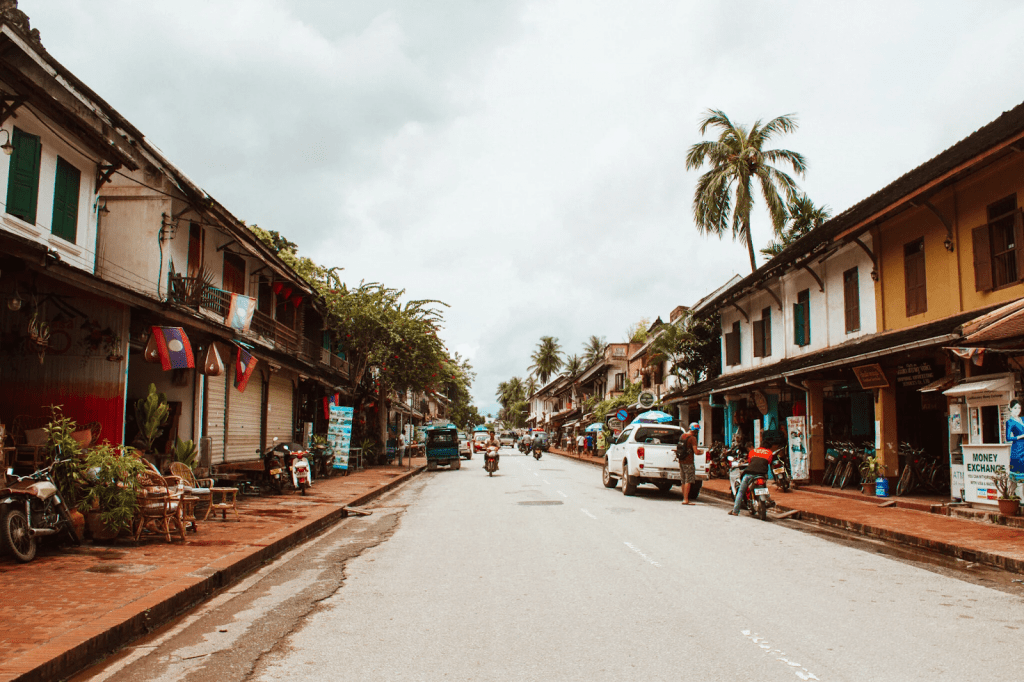
- Natural pauses in the day: Early mornings, long afternoons; create space for reflection rather than constant movement
This slower rhythm is not just aesthetic. It directly impacts how groups absorb and retain experiences.
1.2 Cultural Authenticity That Requires Interpretation
Laos remains relatively untouched by mass tourism, which means cultural experiences are not heavily staged.
- Religious practices such as almsgiving continue as part of daily life, not as performances
- Craft traditions exist within real communities rather than controlled environments
- Social interactions tend to be organic rather than transactional
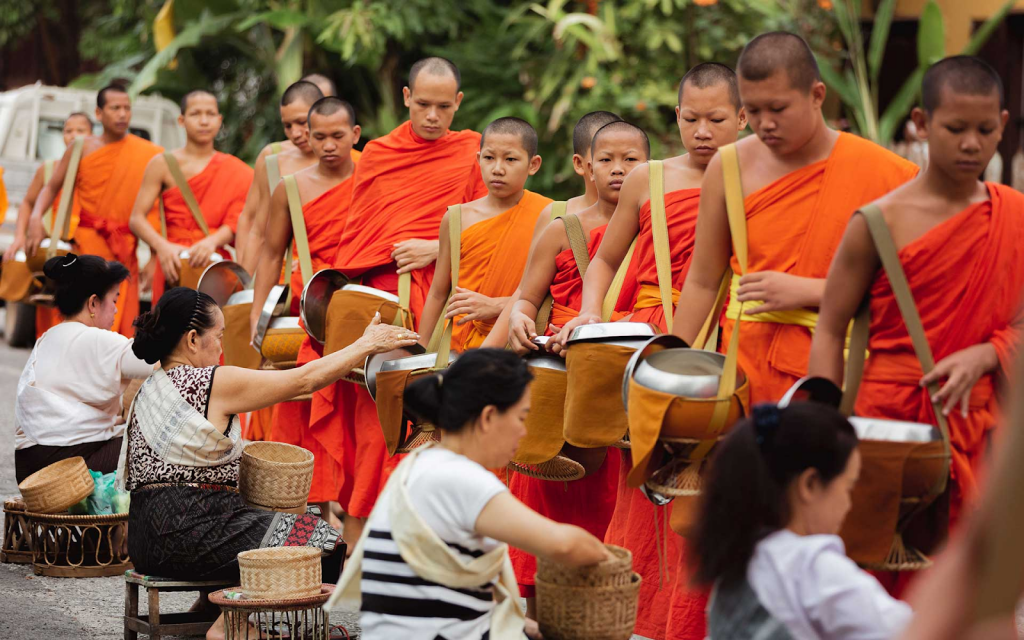
However, this authenticity comes with a requirement: context. Without proper interpretation, meaningful experiences can remain superficial. With the right guidance, they become deeply impactful.
2. Luang Prabang: Designing Cultural Depth Through Heritage
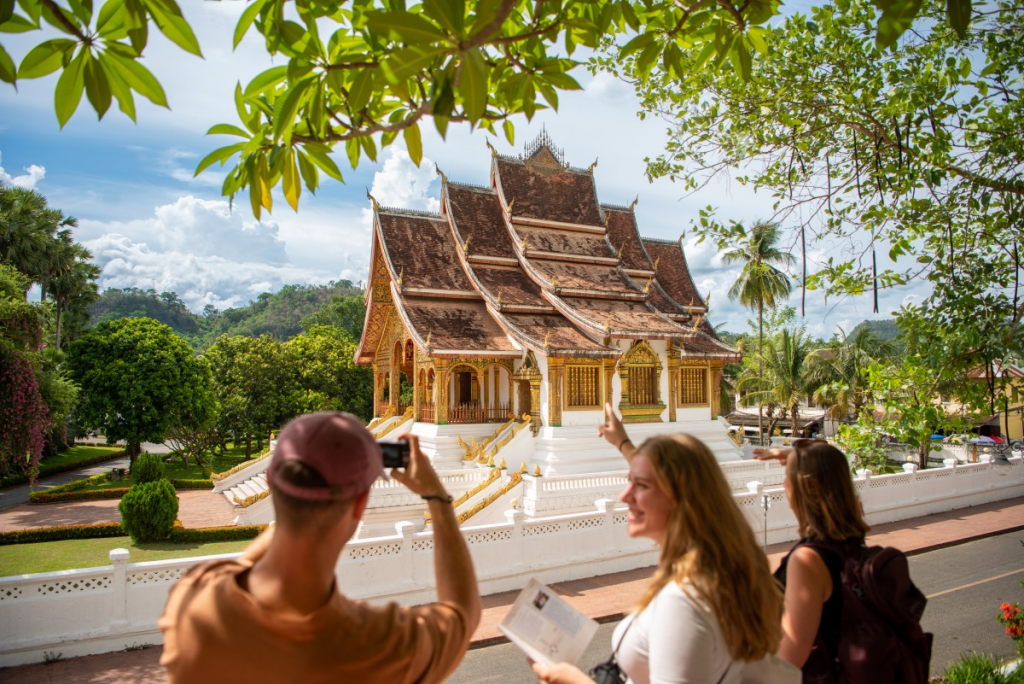
Luang Prabang is often introduced as a UNESCO World Heritage Site, but for group travel, its value lies in how seamlessly culture, religion, and urban form intersect.
2.1 Heritage Walks That Tell a Cohesive Story
The city’s compact scale makes it ideal for walking, but the real value lies in narrative structure.
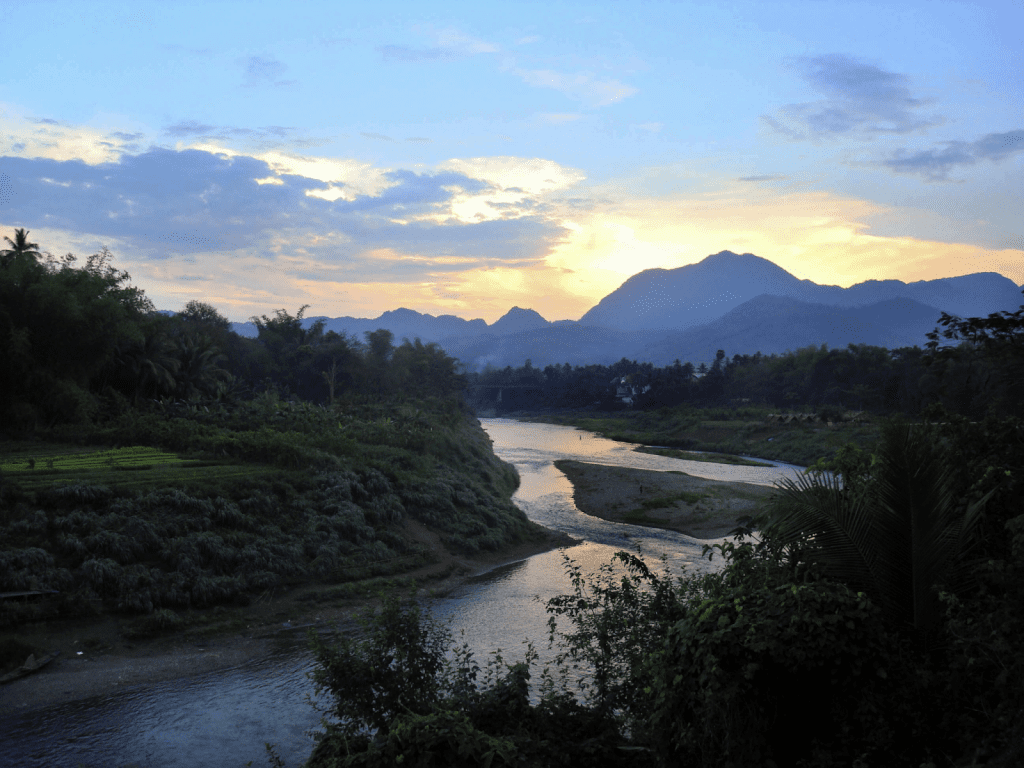
- The peninsula between the Mekong and Nam Khan rivers defines how the city evolved, both spatially and socially
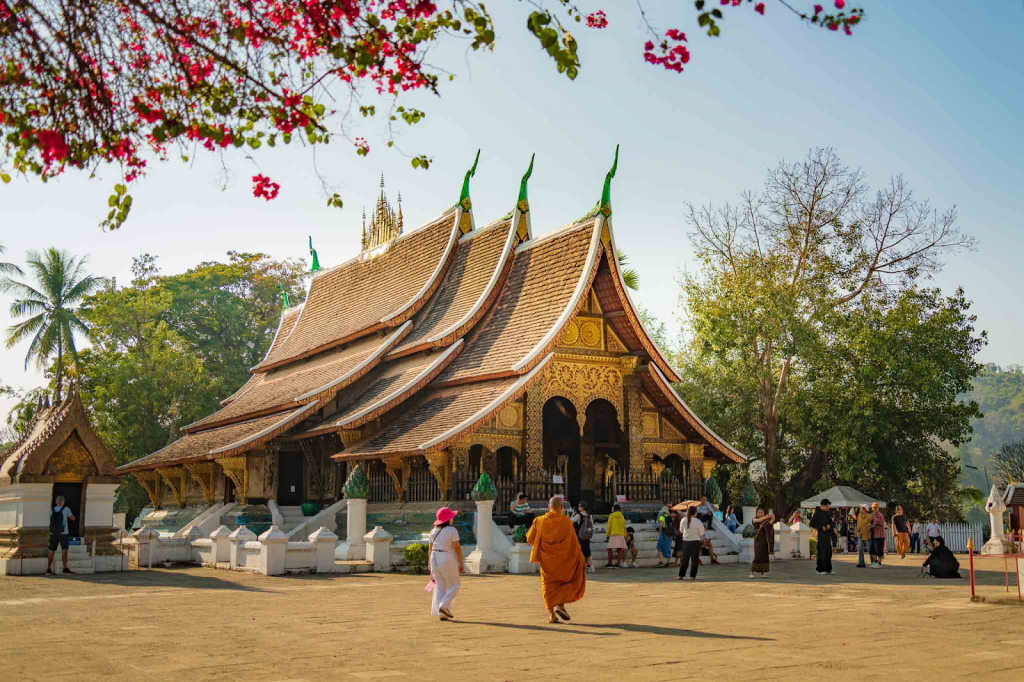
- Temples such as Wat Xieng Thong are not isolated landmarks, but part of an active monastic network
- French colonial buildings were adapted to local climate and culture, creating a hybrid architectural identity
A well-designed walk connects these elements into a story, allowing groups to understand not just what they see, but why it exists.
2.2 Rituals as Cultural Systems, Not Visual Moments
One of the most iconic experiences in Luang Prabang is the morning almsgiving ritual (Sai Bat).
- Monks collect offerings as part of a structured system that supports religious life
- Local residents participate as an act of merit-making tied to Buddhist beliefs
- The ritual reinforces both spiritual and social structures within the community
For groups, participation must be carefully managed. Respect, preparation, and clear guidance are essential. When done correctly, the experience provides insight into the underlying values of Lao society.
2.3 Craft and Cuisine as Living Culture
Cultural understanding in Luang Prabang extends beyond temples.
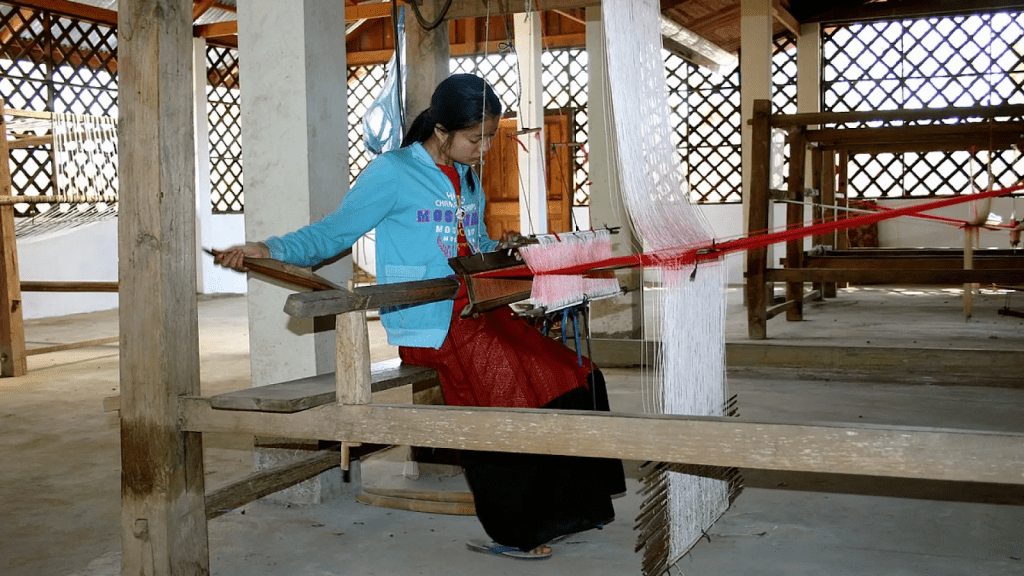
- Textile villages such as Ban Phanom preserve weaving techniques tied to ethnic identity and heritage
- Local markets reveal food systems built on seasonality, fermentation, and regional ingredients
- Meals centered around sticky rice reflect both cultural preference and agricultural reality
These experiences work best when framed as part of a broader system, rather than isolated activities.
3. The Journey: Connecting Two Contrasting Experiences
The transition from Luang Prabang to Vang Vieng is more than a logistical step; it is a structural element of the itinerary.
3.1 Choosing Between Efficiency and Experience
Recent infrastructure developments have introduced new options.
- High-speed rail significantly reduces travel time, allowing more room for curated experiences at each destination
- Overland routes offer slower movement through changing landscapes, with opportunities for spontaneous stops
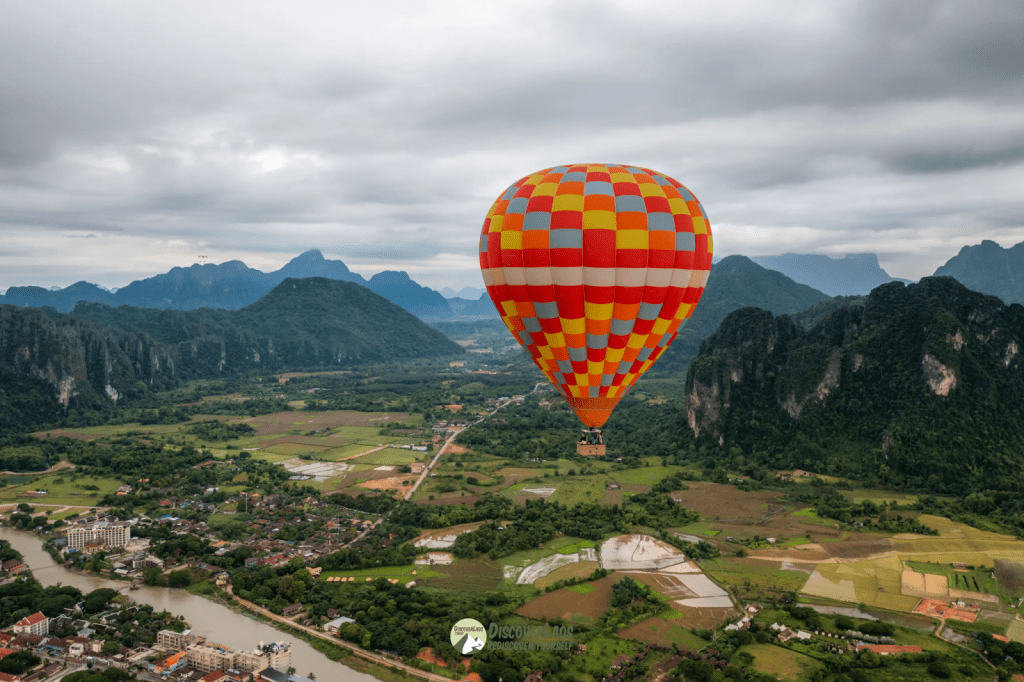
The choice depends on the intent of the program. Efficiency supports tighter schedules, while overland travel enhances narrative continuity.
3.2 Designing the Transition as Part of the Story
Rather than treating transit as downtime, it can be integrated into the experience.
- Gradual shifts in landscape help groups mentally transition between cultural and natural environments
- Carefully selected stopovers introduce local perspectives that are not accessible in major destinations
- The journey itself becomes a moment of recalibration, preparing the group for what comes next
4. Vang Vieng: Nature as a Shared Experience
Vang Vieng provides a clear contrast to Luang Prabang. Where the latter is introspective, Vang Vieng is expansive.
4.1 A Destination That Has Repositioned Itself
Once associated with backpacker tourism, Vang Vieng has undergone significant change.
- Increased regulation has reshaped the tourism landscape
- Activity offerings have shifted toward structured, experience-led formats
- The destination is now more aligned with curated group travel
This transformation opens up new possibilities for program design.
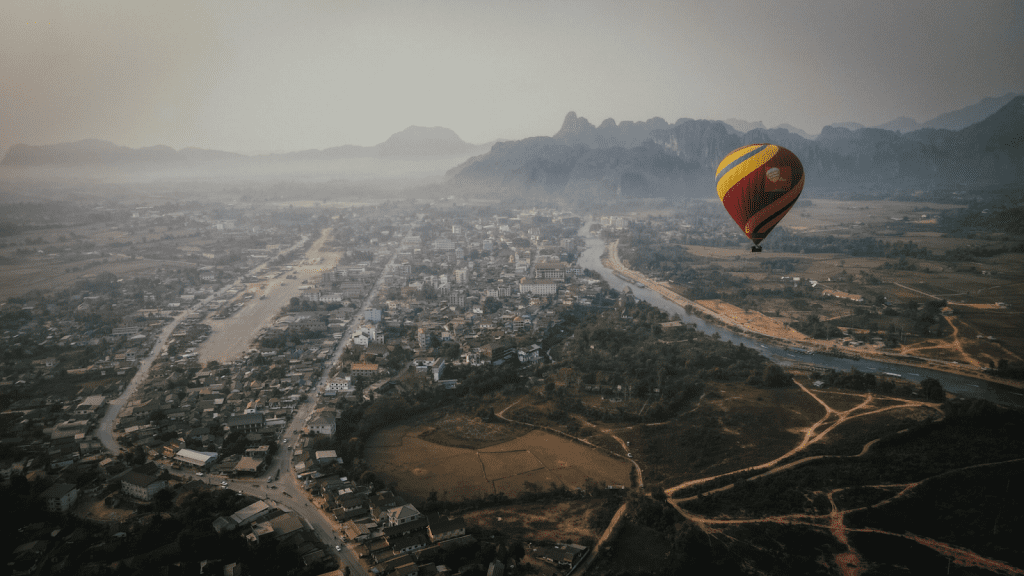
4.2 Landscape That Drives Engagement
The natural environment defines the experience.
- Limestone karst formations create dramatic vertical landscapes
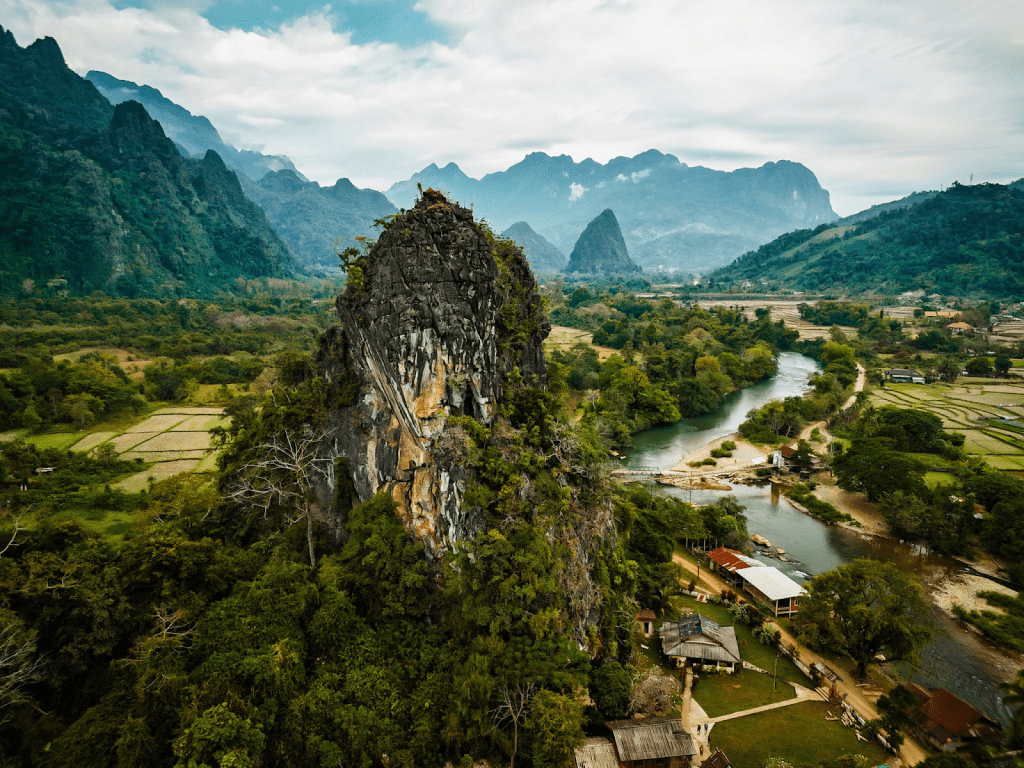
- The Nam Song River provides both visual continuity and activity opportunities
- Caves and lagoons add layers of exploration within a relatively compact area
These elements allow for varied programming without long travel distances.
4.3 Structuring Activities for Group Cohesion
Outdoor environments naturally influence group dynamics.
- Activities such as kayaking or cycling synchronize movement and encourage shared participation
- Physical engagement increases attentiveness and strengthens group connection
- Carefully paced programs prevent fatigue while maintaining momentum
The objective is not simply to include activities, but to use them as tools for building shared experience.
5. The Mango Tiger Way in Laos
What makes a Laos journey truly memorable is rarely the destination itself, but the way it is experienced on the ground. In a country where much of the value lies beneath the surface, access alone is not enough. Interpretation, relationships, and intent are what shape the outcome.
5.1 People: Real Individuals, Not Just “Local Guides”
In Laos, Mango Tiger’s network is built around specific individuals, not interchangeable roles.
- Mr. Kham, a Luang Prabang-based guide who has been working in tourism since the late 1990s, brings decades of lived experience and cultural understanding into every city walk
- Mr. Somsay, founder of the Bamboo Experience, has created a hands-on cultural program where guests engage directly with bamboo craft, Lao cuisine, and rural life
- Mr. Phanh, born and raised in Vang Vieng, operates adventure tours including kayaking, caving, and trekking, with an intimate understanding of the landscape and its possibilities
What distinguishes these experiences is not access but familiarity. These are not staged interactions. They are relationships built over time, allowing groups to engage with Laos through people who actively shape its tourism ecosystem.
5.2 Places: Designed Beyond the Obvious Highlights
Rather than focusing only on headline attractions, Mango Tiger’s Laos programs layer well-known sites with deeper, often overlooked experiences.
In Luang Prabang, this might include:
- Exploring Wat Xieng Thong alongside lesser-visited temples to understand the broader monastic network
- Visiting the Traditional Arts & Ethnology Center to contextualize Laos’ ethnic diversity
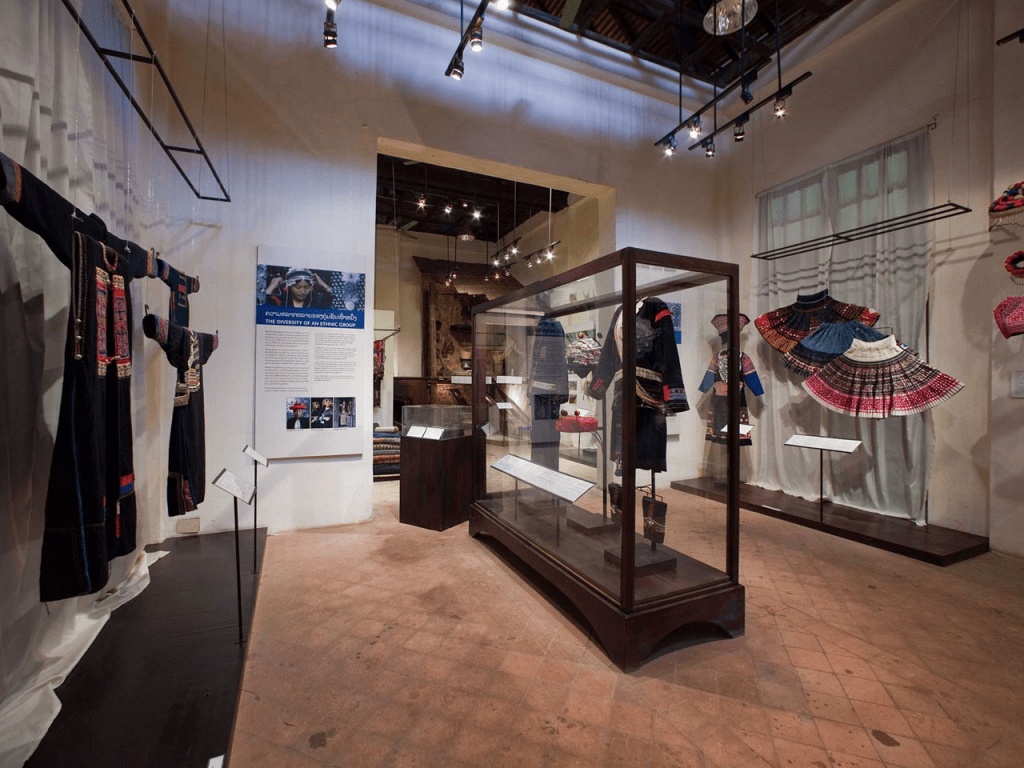
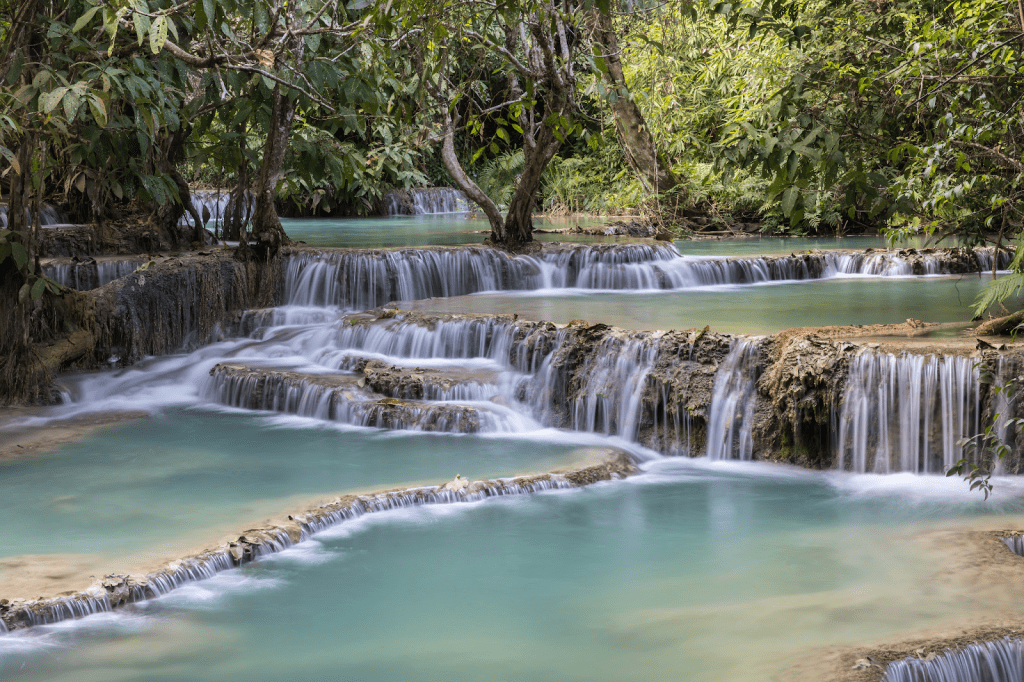
- Experiencing Kuang Si Waterfalls not just as a scenic stop, but combined with conservation initiatives such as the Bear Rescue Center
Beyond the city, programs extend into more immersive settings:
- A jungle trek to remote villages like Ban San Oudom, where guests meet a practicing village shaman and participate in a traditional Baci ceremony
- Slow experiences along the Mekong, including boutique river cruises that reveal remote communities and landscapes otherwise inaccessible
These layers transform familiar destinations into multi-dimensional experiences.
5.3 Product with Purpose: Experience That Creates Impact
A defining element of Mango Tiger’s approach is the idea of “products with purpose”; experiences that benefit not only travelers, but also local communities.
In Laos, this is expressed through:
- Community-based experiences where revenue directly supports local families, such as curated picnic setups prepared by local households along the Mekong
- Eco-conscious programs like elephant sanctuaries that focus on education and ethical interaction rather than entertainment
- Remote eco-tourism initiatives, where activities like trekking and night safaris contribute to reducing hunting and logging by providing alternative income sources
This approach ensures that travel is not extractive. It becomes a mutual exchange, where value flows in both directions.
5.4 About Mango Tiger
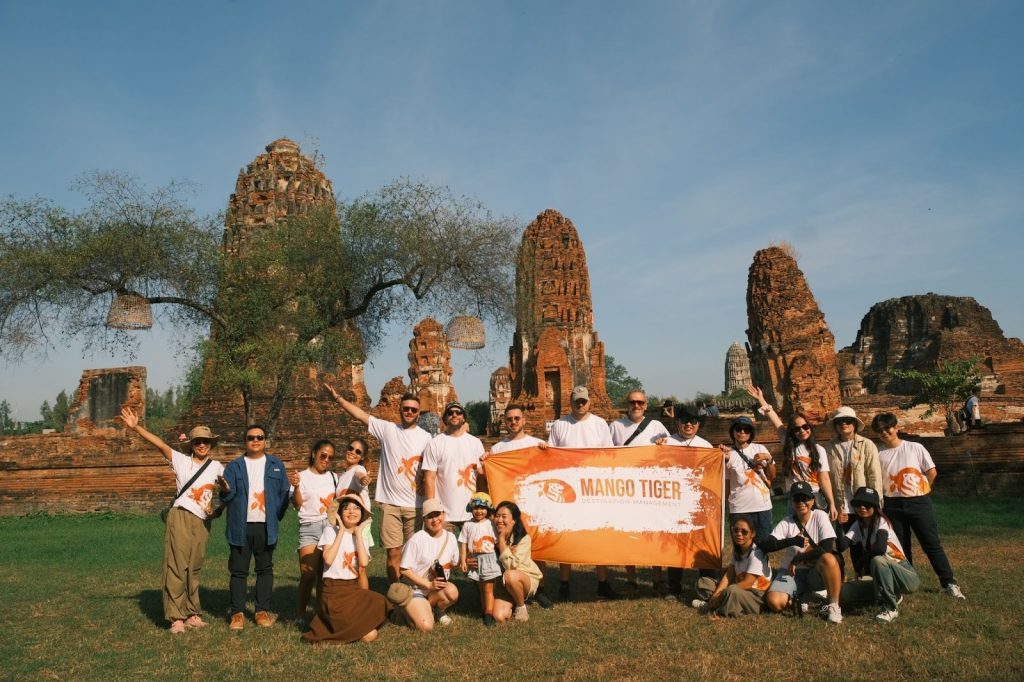
Mango Tiger is an Asia-based Destination Management Company specializing in experience-led, tailor-made travel programs for global partners.
- The company operates across Southeast Asia, including Laos, Vietnam, Cambodia, Thailand, Indonesia, and the Philippines
- Its core model is built around bespoke product creation, where each itinerary is designed based on the specific needs, audience profile, and objectives of partner agencies
- The process includes structured onboarding, collaborative product development, and continuous refinement to ensure alignment and quality
Operationally, Mango Tiger emphasizes:
- Strong local networks and on-the-ground teams to ensure real-time responsiveness
- Seamless logistics management, from transport to accommodation and experience delivery
- 24/7 in-country support, including optional virtual tour guide assistance for travelers
At a strategic level, the company operates with a clear philosophy:
- Experience-driven design focused on creating memorable, shareable moments
- Community engagement that supports local economies and preserves cultural integrity
- Sustainability initiatives, including reducing environmental impact and offering carbon-conscious travel solutions
Rather than offering fixed products, Mango Tiger positions itself as a co-creator of journeys, working alongside partners to build travel experiences that are both operationally seamless and culturally meaningful.
Plan Your Laos Journey with Mango Tiger
Laos offers a rare combination of cultural integrity and natural beauty, but its true value only emerges through thoughtful design.
For group travel planners, the challenge is not access; it is interpretation. How experiences are framed, sequenced, and delivered determines whether a journey feels generic or genuinely meaningful.
Mango Tiger specializes in creating programs that balance structure with flexibility, depth with accessibility, and local authenticity with professional execution.
If you are looking to build a Laos itinerary that goes beyond the expected, one that is immersive, cohesive, and memorable, Mango Tiger is ready to design it with you.
