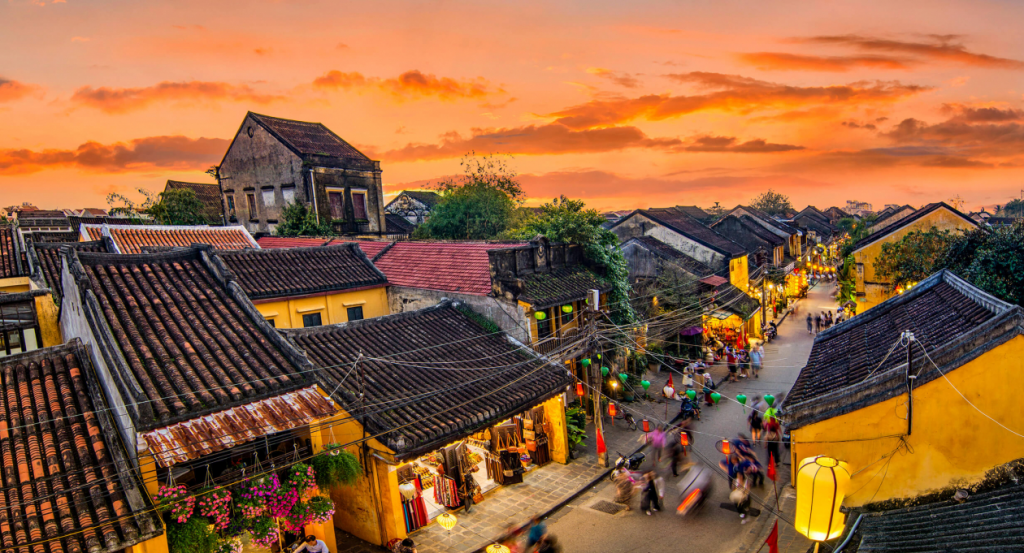
Hoi An, Vietnam’s heritage jewel, is known worldwide for its lantern-lit streets, graceful temples, and riverside charm. But beyond its photogenic beauty, this ancient town is becoming something more profound — a destination where travelers can contribute to positive change.
In Central Vietnam, Mango Tiger DMC’s Impact Programs invite visitors to move beyond sightseeing into meaningful, hands-on engagement with local communities. Through volunteering, sustainability workshops, and eco-innovation activities like the Ecobrick Project, travelers experience a version of Hoi An that is rooted in connection, responsibility, and shared growth.
This new wave of tourism isn’t about “doing charity” — it’s about partnership. It’s about travelers and locals learning from each other, solving environmental challenges together, and ensuring that Hoi An’s story of resilience continues to inspire generations to come.
1. Hoi An – The Heart of Sustainable Tourism in Central Vietnam
Hoi An stands as Vietnam’s leading example of how cultural preservation and sustainability can coexist. Once a thriving port on the Silk Road, it has transformed into a global hub for community-based tourism — where heritage, environment, and human connection come together to define a new way of travel.
1.1 A Model for Responsible Travel
Hoi An’s transformation from a trading town to a sustainability pioneer is a remarkable success story in Southeast Asia.
- UNESCO World Heritage Legacy: Recognized in 1999 for its mix of Vietnamese, Chinese, and Japanese influences, Hoi An’s Old Town is an open-air museum of history and design. Visitors walking its narrow alleys discover centuries-old merchant houses and temples — preserved through local dedication and sustainable management policies that limit over-tourism and promote low-impact exploration.
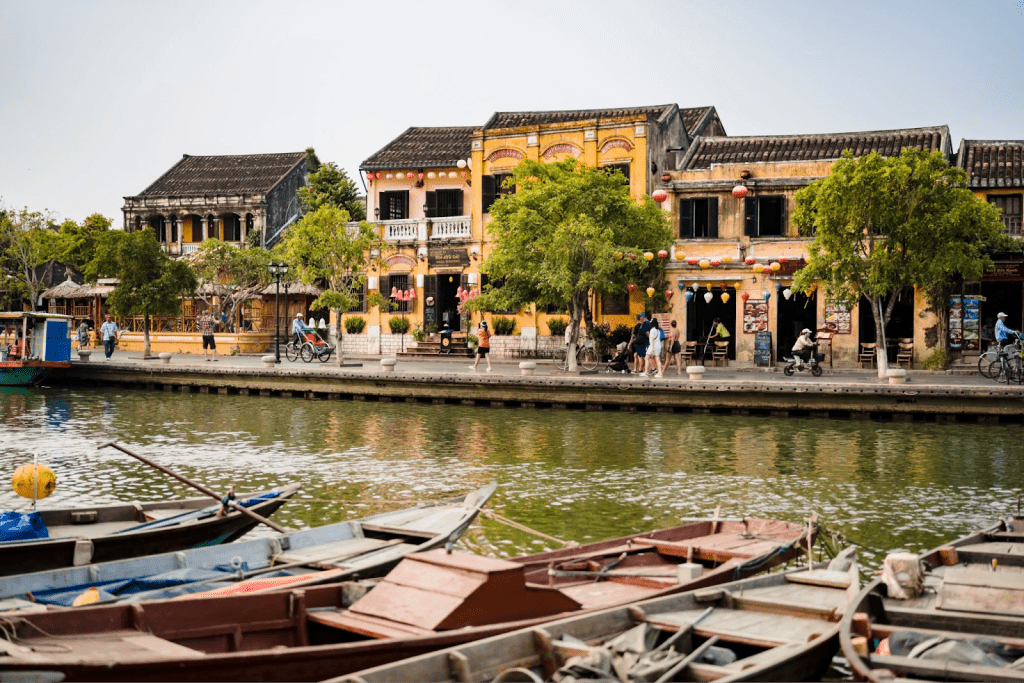
- Sustainability at Every Corner: Hoi An has taken bold steps to reduce plastic waste and promote green living. Some examples include establishing policies to encourage waste-sorting and discourage single-use plastic, introducing refillable water stations across major tourist spots, and supporting community composting projects. Cafés and homestays powered by solar panels have become the norm, proving that heritage towns can lead Vietnam’s green revolution and a Zero Waste Hoi An by 2025.
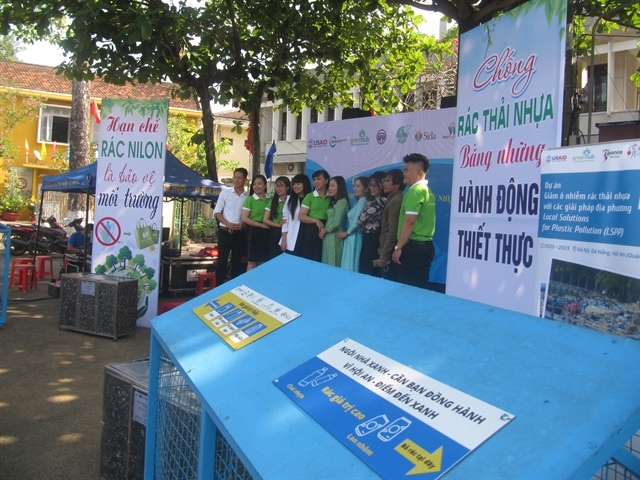
These efforts show that Hoi An isn’t just protecting its past — it’s actively shaping a responsible tourism future.
1.2 A Community That Welcomes Contribution
What makes Hoi An extraordinary is its people — creative, resilient, and eager to share their way of life.
- Grassroots Partnerships: Local NGOs and cooperatives have teamed up with Mango Tiger to create community-based programs that invite visitors to get involved. Guests can join projects led by women’s groups, farmers, and artisans, each designed to strengthen livelihoods and preserve traditions.
- Inclusive Tourism: Visitors can volunteer at English learning centers, help clean the Thu Bon River, or support local farming initiatives. These experiences give travelers a deeper understanding of rural Vietnamese life while empowering communities with new skills and opportunities.
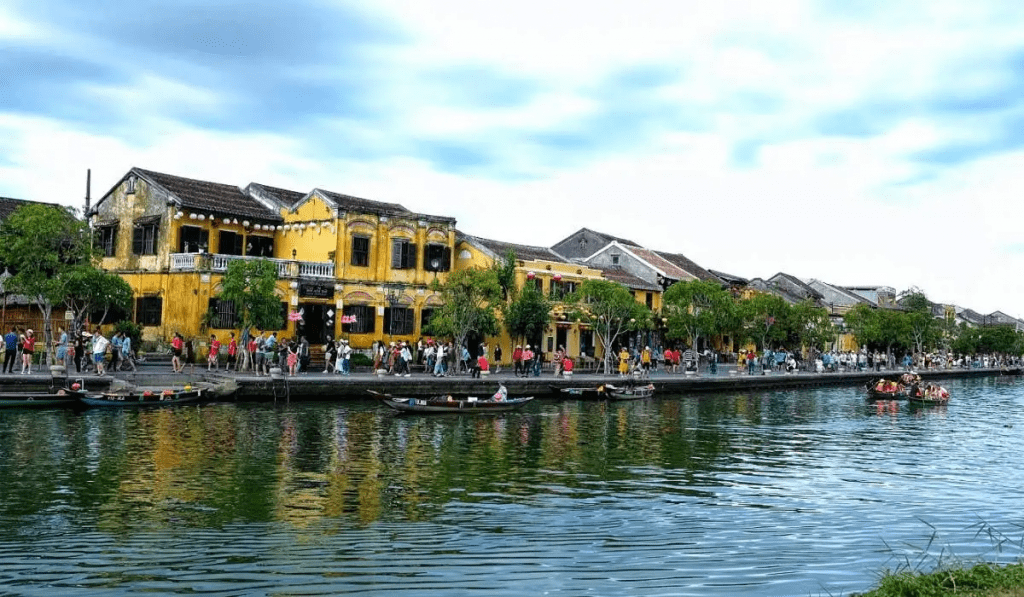
Hoi An’s spirit of hospitality extends far beyond tourism — it’s about genuine collaboration and mutual respect.
2. Hands-On Impact: Volunteering and Environmental Projects
Hoi An’s environmental challenges mirror those faced globally: rising waste levels, coastal erosion, and climate change. Through Mango Tiger’s Impact Program, travelers can take part in initiatives that address these issues directly, turning concern into tangible action.
2.1 The Ecobrick Project: Turning Plastic Waste into Purpose
Plastic pollution is one of Vietnam’s most pressing environmental threats, especially in tourism-heavy regions. Mango Tiger’s Ecobrick Project gives travelers a way to combat this — one bottle at a time.
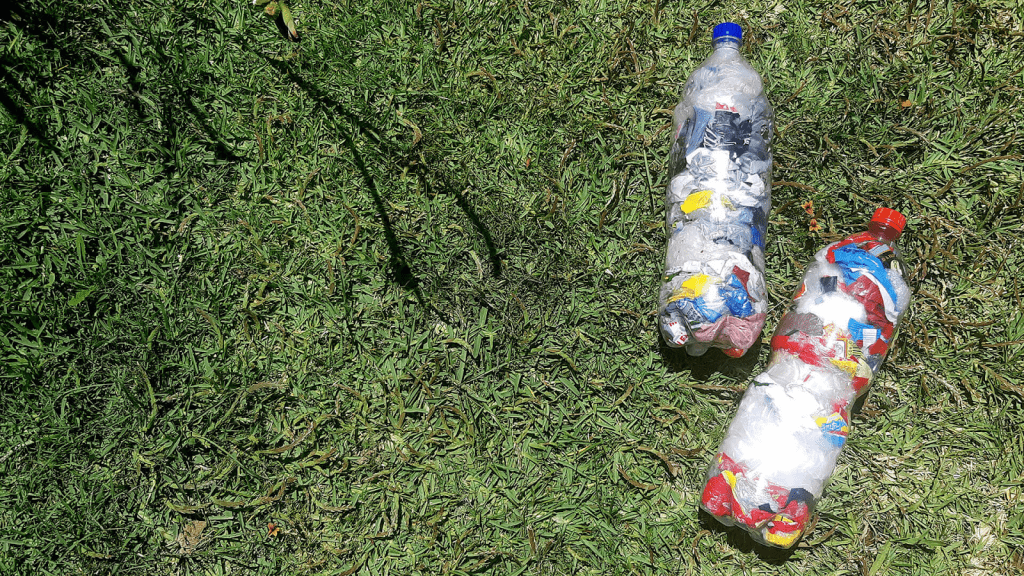
- Building Change, One Bottle at a Time: An Ecobrick is a simple but powerful concept: a used plastic bottle packed tightly with non-biodegradable waste, transformed into a sturdy, reusable building block. During Mango Tiger’s guided Ecobrick sessions, travelers collect plastic waste from beaches, wash and dry it, then fill bottles to specific density standards. These are later used to build benches, garden walls, and planters in local schools and community spaces.
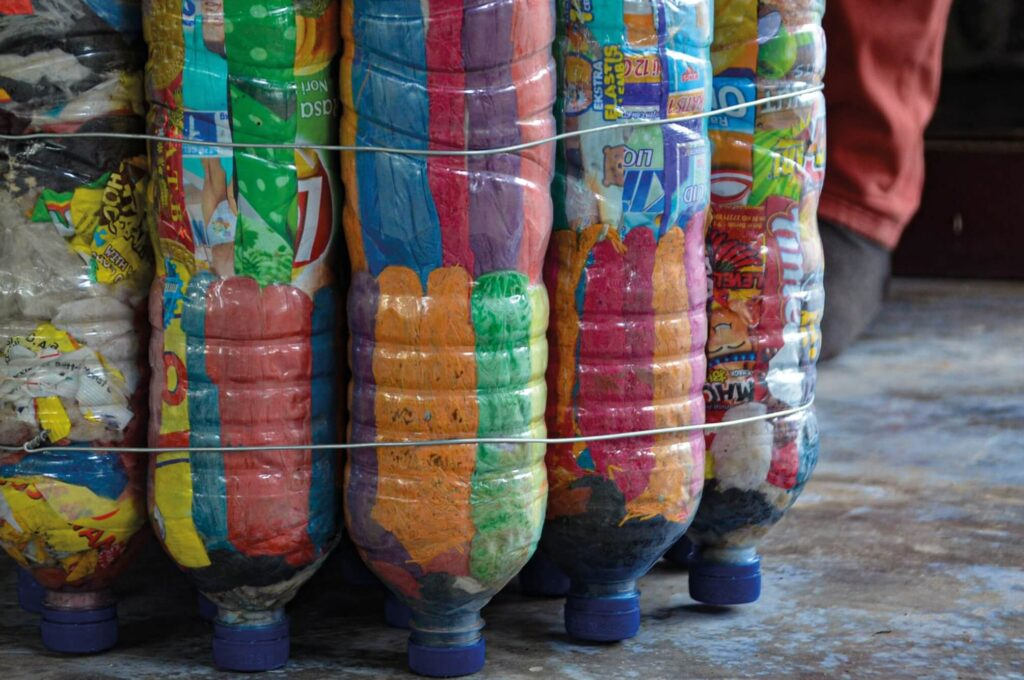
- Learning through Action: Each Ecobrick activity is more than a cleanup — it’s a collaborative learning experience. Participants learn about circular economy principles, responsible consumption, and the role of individuals in tackling global waste. Many groups describe the project as “eye-opening,” realizing that sustainability starts with something as small as a plastic wrapper.
- Wider Impact: The Ecobrick Project not only reduces local waste but also provides new materials for sustainable building, turning trash into tangible progress. Mango Tiger plans to expand the project across other destinations in Vietnam, creating a network of “travelers for change.”
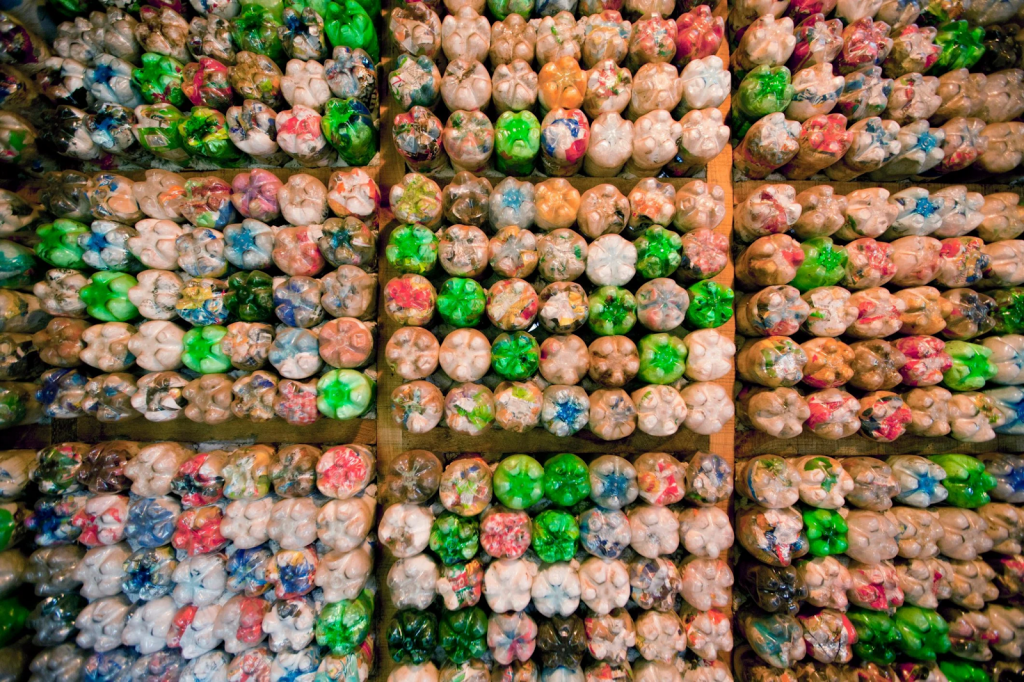
Through simple, structured activities like these, visitors help reduce plastic waste while supporting education and innovation in Hoi An’s local communities.
2.2 Environmental Preservation & Green Awareness
Hoi An’s environmental programs give travelers hands-on ways to restore and protect its natural surroundings.
- Mangrove Restoration on the Thu Bon River: Travelers join local volunteers to replant mangroves along the riverbanks — a vital defense against flooding and erosion. These trees provide nesting grounds for birds and fish, enriching biodiversity while safeguarding livelihoods.
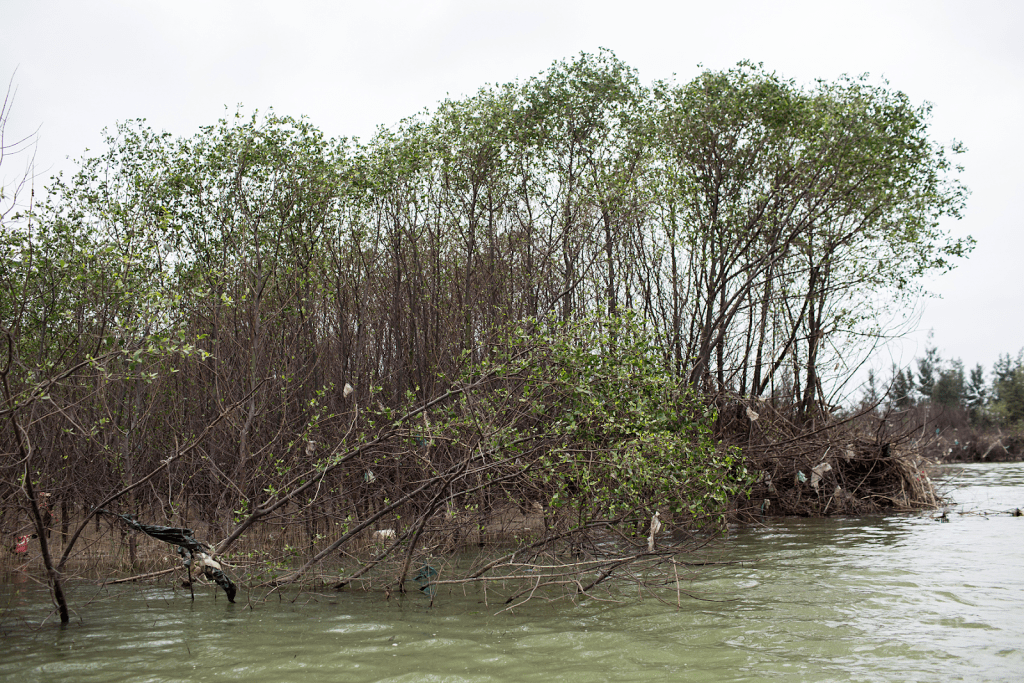
- Beach Cleanups with Purpose: Led by local youth groups, Mango Tiger’s cleanup activities combine environmental action with cultural connection. Participants remove litter from An Bang and Cua Dai beaches, sort recyclables, and learn about the local waste management challenges that coastal communities face daily.
- Sustainable Tourism Workshops: For school or corporate groups, Mango Tiger organizes interactive discussions with local NGOs, giving participants insight into Vietnam’s conservation policies and real-world sustainability strategies.
Every action, from planting a tree to filling an Ecobrick, contributes to a larger movement toward environmental awareness and collective responsibility.
3. Cultural Immersion & Skill Exchange Programs
Hoi An’s culture is woven into every aspect of daily life — from its crafts and cuisine to its sense of community. Impact travel allows visitors to not just witness this culture, but to become part of it.
3.1 Education and Language Exchange
Education-based volunteering is one of the most rewarding aspects of Hoi An’s impact tourism.
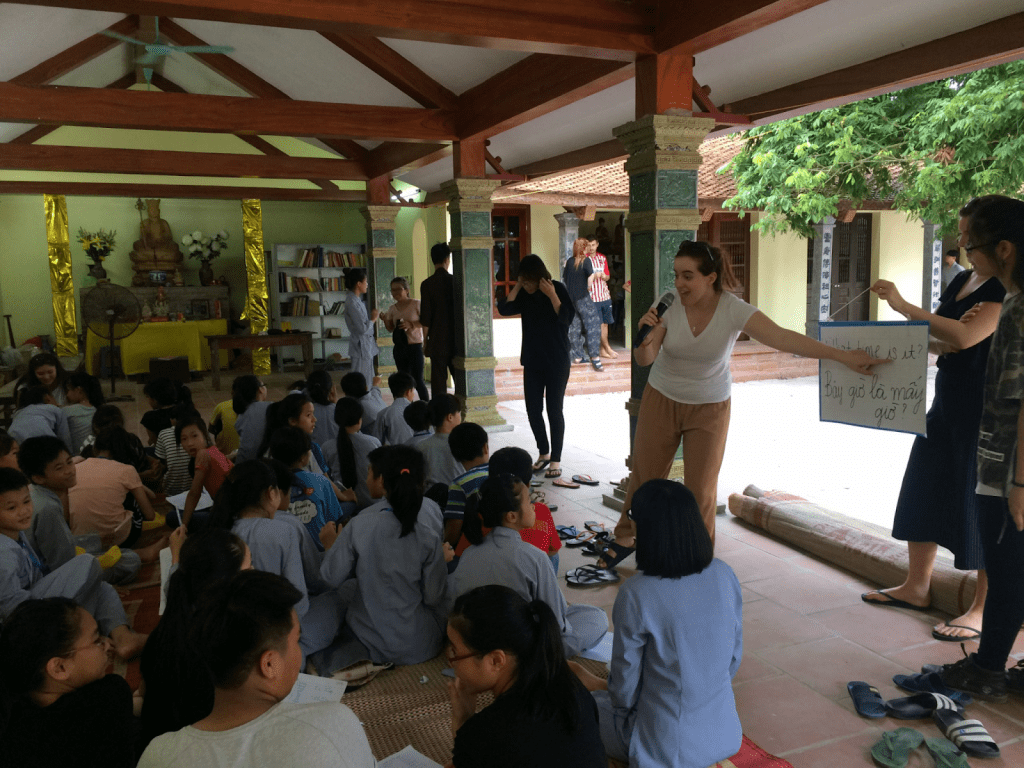
- English Conversation Workshops: Visitors spend time in local schools, helping students practice conversational English. Through games, songs, and storytelling, they help improve pronunciation and confidence, opening new opportunities for students in tourism and hospitality.
- Creative Learning Programs: In collaboration with teachers, travelers lead art sessions, environmental storytelling, and interactive lessons about global cultures. These sessions help children see themselves as part of a wider world and encourage curiosity and empathy. For visitors, these teaching experiences provide insight into Vietnamese education and the hopes of a new generation eager to learn.
3.2 Craft, Cuisine, and Community Learning
Few places embody Vietnam’s artisanal spirit like Hoi An. Travelers can immerse themselves in local traditions while supporting craftspeople and farmers.
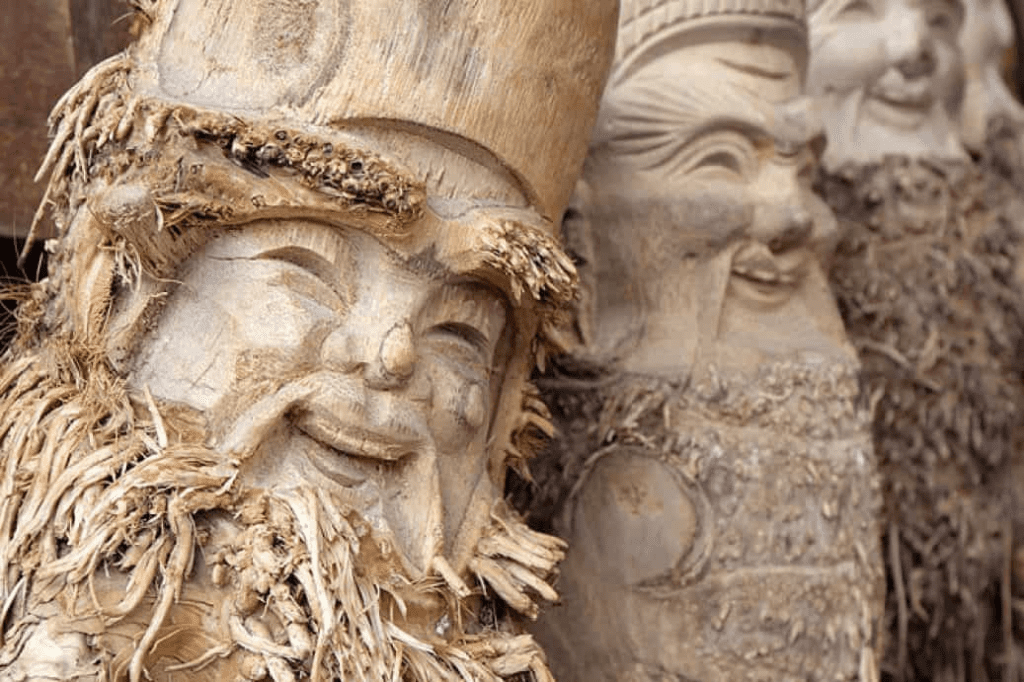
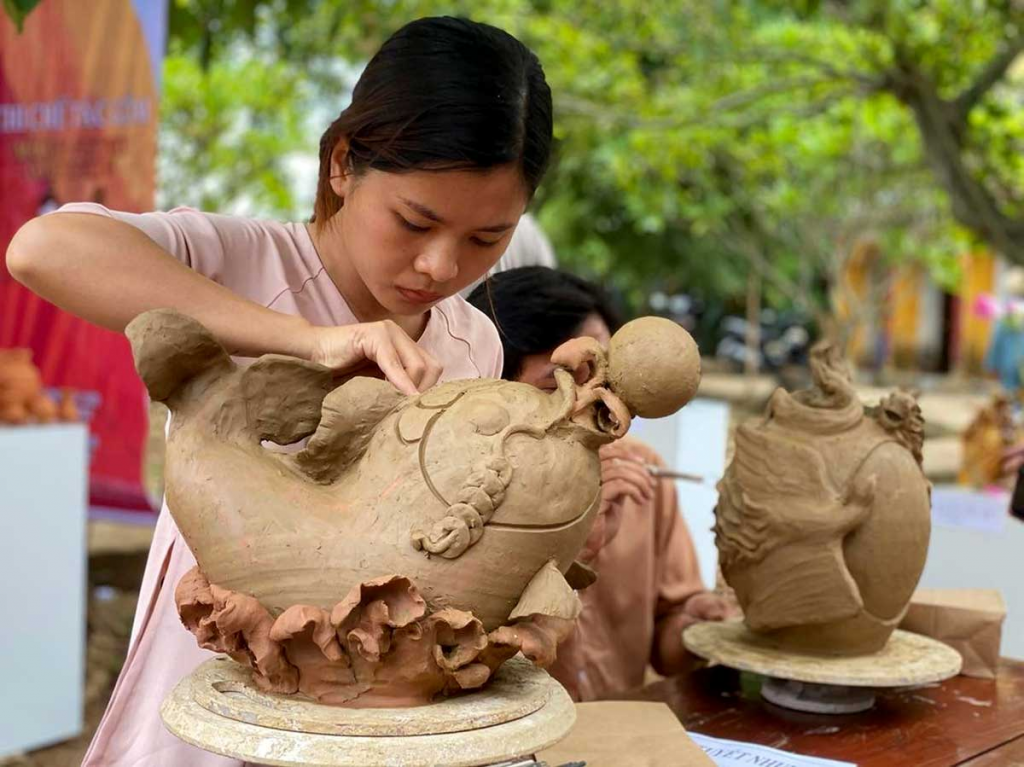
- Traditional Craft Workshops: In the craft villages of Kim Bong or Thanh Ha, visitors learn the delicate skills of lantern-making, pottery, or wood carving from artisans whose techniques have been passed down for centuries. Each workshop helps sustain heritage crafts and provides artisans with steady income.
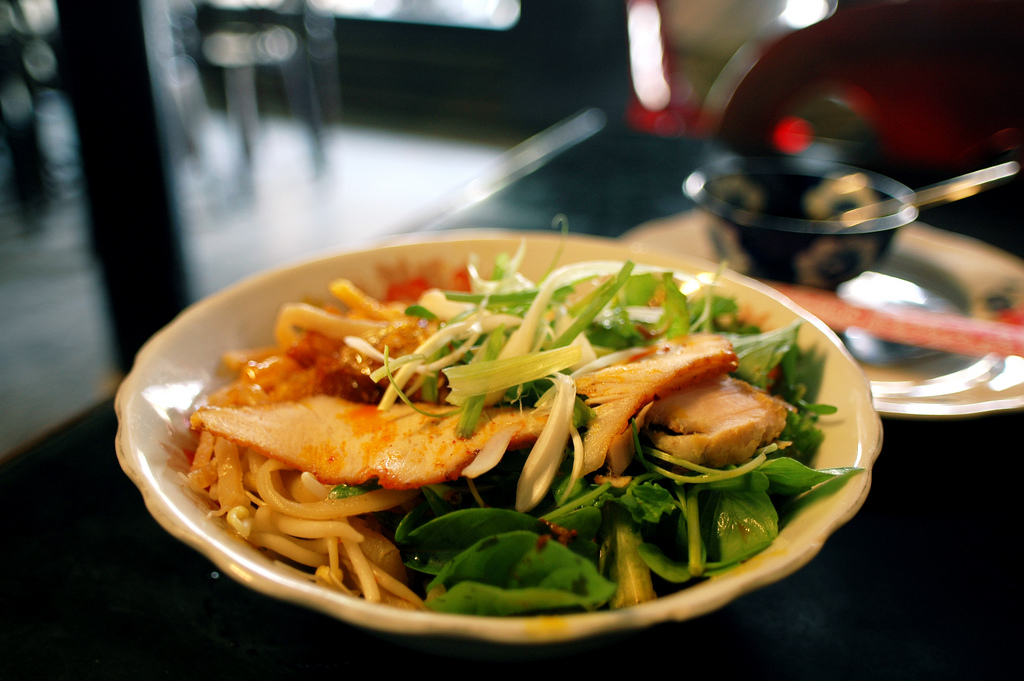
- Farm-to-Table Cooking Classes: Travelers join local families in organic vegetable farms outside town to harvest herbs and greens before turning them into regional dishes like cao lầu noodles or bánh xèo pancakes. These cooking classes highlight sustainable farming and the importance of food traceability — all while sharing laughter and recipes with local hosts.
Through these programs, travelers move beyond tourism to true cultural participation — learning, exchanging, and giving back in equal measure.
4. How Impact Travel Benefits Both Travelers and Communities
Impact tourism is more than a buzzword — it’s a philosophy that redefines how we travel and why. The benefits ripple both ways: travelers gain perspective and growth, while local communities gain skills, support, and sustainable opportunities.
4.1 For Travelers: Growth Through Connection
- Emotional Enrichment: Participating in projects like the Ecobrick initiative or language workshops allows travelers to connect with locals on a human level, often leading to transformative insights about empathy, privilege, and purpose.
- Team Building and Leadership: For educational or corporate groups, working together in volunteer projects strengthens teamwork, problem-solving, and adaptability — qualities that endure long after the trip ends.
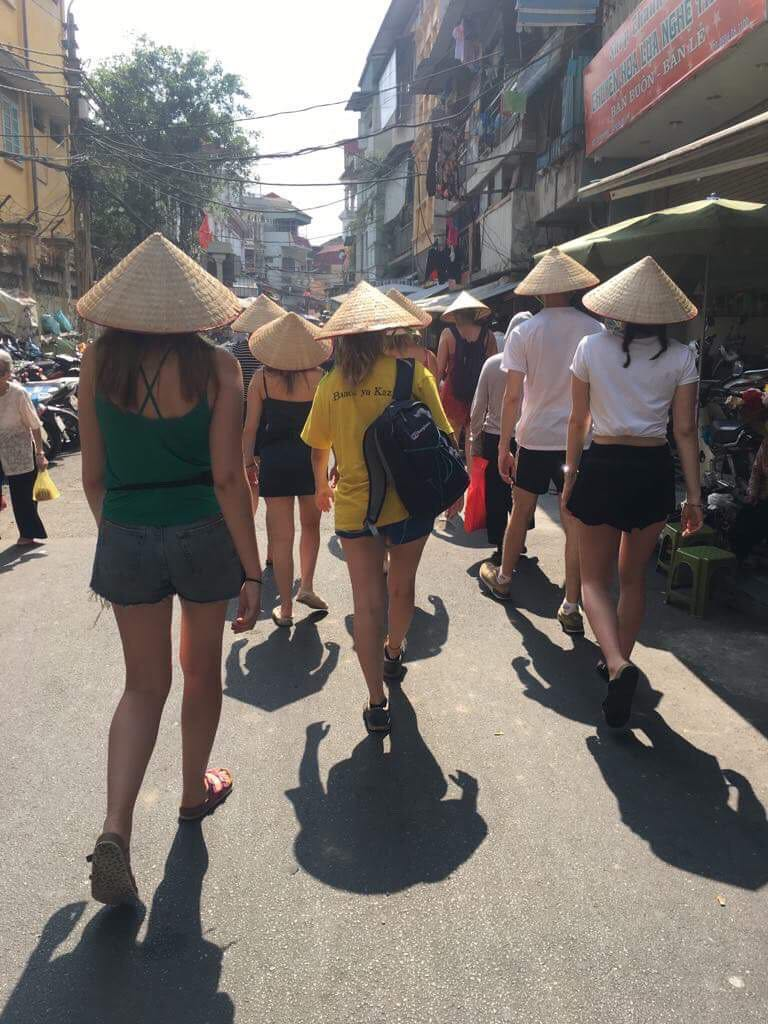
- Cultural Understanding: Immersive exchanges help travelers grasp Vietnam’s rhythm — the respect for community, the joy in simplicity, and the pride in resilience.
4.2 For Communities: Empowerment Through Collaboration
- Sustainable Livelihoods: By channeling tourism revenue into small businesses, Mango Tiger’s programs ensure that artisans, guides, and farmers earn directly from their skills and culture.
- Environmental & Educational Progress: Initiatives like mangrove planting and Ecobrick workshops build lasting assets for communities — cleaner ecosystems, stronger infrastructure, and new environmental awareness among youth.
- Long-Term Partnership: Mango Tiger works closely with local NGOs to monitor project outcomes, ensuring that benefits continue long after travelers have left.
This cycle of giving and growth proves that impact travel doesn’t just create memories — it creates momentum for sustainable development.
5. Partner with Mango Tiger DMC for Purposeful Travel
At Mango Tiger DMC, we believe that responsible travel has the power to transform both people and places. In Hoi An, our team combines environmental action, cultural learning, and community collaboration to make every journey matter.
5.1. The Mango Tiger Way — Purpose Woven Into Every Journey
Impactful travel in Central Vietnam doesn’t happen by accident — it grows from real relationships, long-term commitments, and a belief that travelers can uplift the places they touch. That philosophy shapes everything Mango Tiger builds in Hoi An and the Cham Islands.
- Products with Purpose — Hoi An Ecobricks: Join local residents in collecting plastic waste and turning it into Ecobricks, practical building blocks that support community projects while tackling pollution at its source.
- Places with Purpose — Huong Village, Cham Island: By supporting homestays, training programs, and year-round income opportunities, Mango Tiger helps young residents stay in their village rather than leaving for work on the mainland.
- People with Purpose — Meet Tinh: As Cham Island’s local coordinator, Tinh leads community experiences and manages homestays thanks to Mango Tiger’s ongoing training and funding, allowing him to uplift his village one project at a time.
The Mango Tiger Way is simple: when travel empowers people, protects places, and inspires purpose, everyone — traveler and community alike — walks away richer.
5.2 Why Choose Mango Tiger
- Custom-Designed Impact Programs: From student volunteer trips to corporate sustainability retreats, Mango Tiger designs tailored itineraries that match your goals — blending hands-on learning with authentic cultural encounters.
- Seamless Operations & Safety: With dedicated fixers, translators, and 24/7 on-ground support, we handle every logistical detail, allowing participants to focus entirely on the experience.
- Local Partnerships That Matter: We collaborate with grassroots organizations, schools, and artisan cooperatives to ensure that every activity generates measurable, lasting impact.
5.3 Our Commitment to Responsible Tourism
- Eco-Driven Practices: Mango Tiger integrates sustainable operations into every trip — from offsetting single-use plastics to organizing eco-education sessions for travelers and minimizing carbon emissions.
- Community Empowerment: Our Ecobrick project, local homestay collaborations, and conservation partnerships ensure tourism dollars directly support those who make Hoi An so special.
Through Mango Tiger’s Impact Programs, travel becomes more than movement — it becomes a meaningful exchange that uplifts everyone involved.
Ready to make your journey matter?
Contact Mango Tiger DMC now to design your own Impact Program in Hoi An — where every activity builds bridges, supports communities, and redefines what it means to travel well.
