

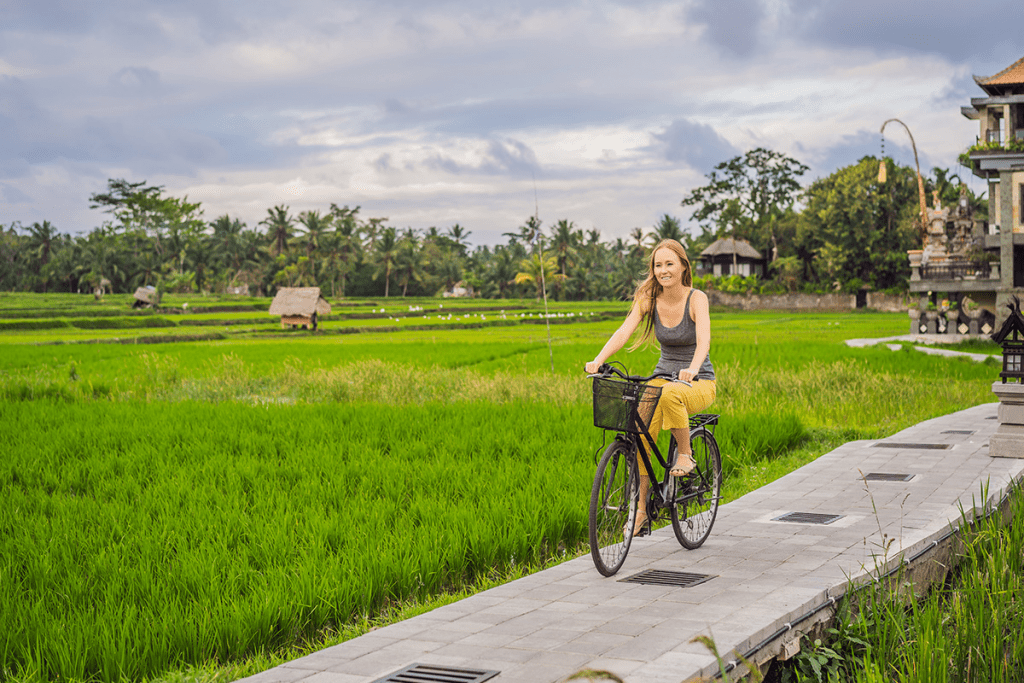
Bali has long been synonymous with lush rice terraces, sacred temples, and a deeply spiritual rhythm of life. But beyond its postcard beauty, a new narrative is taking shape, one where travel is no longer just about escape, but about responsibility. Sustainable Bali is not a trend; it is a conscious shift toward protecting what makes the island extraordinary in the first place.
From eco-conscious retreats hidden in Ubud’s jungle valleys to marine conservation initiatives in the waters of Nusa Penida, Bali offers travelers the opportunity to engage more meaningfully where every choice, from where you stay to what you experience, can leave a positive impact.
1. Why Sustainable Travel Matters in Bali
As one of Southeast Asia’s most visited destinations, Bali faces increasing pressure on its natural ecosystems and cultural heritage. Sustainable travel here is not optional, it is essential.
1.1 Environmental Pressures on the Island
Bali’s tourism growth has created measurable environmental strain, particularly in waste, water, and marine ecosystems, issues that are now widely documented by international organizations and research bodies.
- Waste management challenges: Bali generates thousands of tons of waste daily, with plastic leakage into oceans becoming a major concern. According to World Bank, Indonesia is among the world’s largest contributors to marine plastic waste, with coastal tourism hubs like Bali being key pressure points.
- Water scarcity risks: Over-extraction of groundwater driven by tourism infrastructure has led to declining water tables and saltwater intrusion in some areas. UNESCO highlights Bali as a case where tourism growth has intensified water stress, particularly in the south and central regions.
- Marine ecosystem degradation: Coral reefs in Bali face increasing stress from warming seas, pollution, and unsustainable tourism practices. Data from NOAA and regional marine studies confirm reef degradation across parts of Indonesia, including Bali, due to combined environmental pressures.

These challenges are not abstract, they directly shape the future of Bali as a destination, making responsible travel a necessity rather than a preference.
1.2 The Shift Toward Conscious Travel
In response, Bali has become a leading hub for sustainable tourism innovation.
- Eco-certification initiatives: Increasing adoption of global sustainability standards across accommodations and operators
- Community-led tourism models: Programs that ensure local communities benefit directly from tourism activity
- Traveler awareness: A growing segment of visitors actively seeking low-impact, purpose-driven experiences
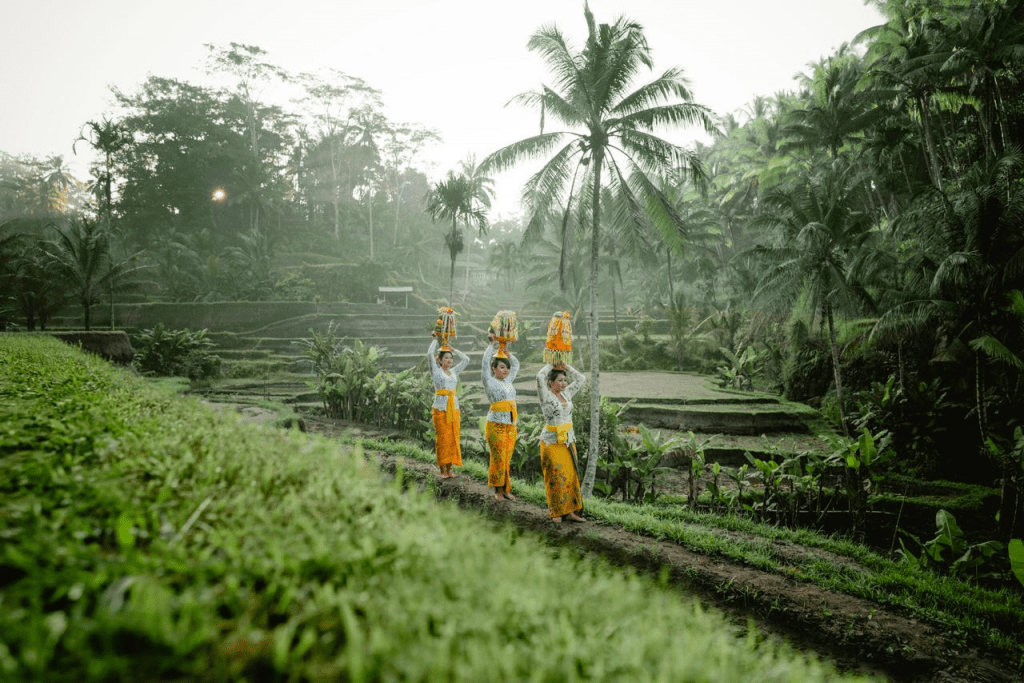
This shift has opened the door to a different kind of Bali, one that rewards deeper engagement over surface-level consumption.
2. Eco-Conscious Retreats in Ubud
Ubud, often considered the cultural and spiritual heart of Bali, has emerged as a center for sustainable hospitality, where design, nature, and community intersect.
2.1 Redefining Luxury Through Sustainability
In Ubud, luxury is increasingly defined not by excess, but by intention.
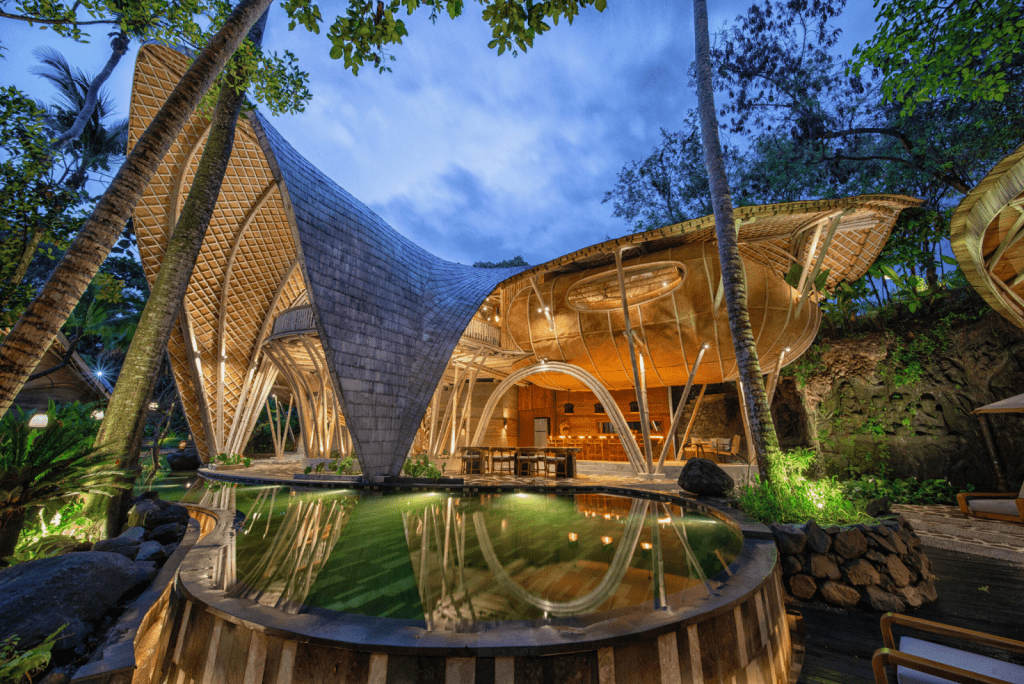
- Eco-integrated architecture: Resorts designed to blend into the jungle landscape using natural materials and low-impact construction
- Farm-to-table dining: Menus built around locally sourced, organic ingredients supporting nearby farmers
- Wellness rooted in nature: Experiences such as yoga, meditation, and traditional healing practices connected to the surrounding environment
Rather than isolating guests, these retreats invite them into a slower, more grounded way of experiencing Bali.
2.2 Meaningful Experiences Beyond the Stay
In Ubud, meaningful travel begins when experiences move beyond observation and into active participation within local life. Rather than curated performances, the island offers access to everyday practices, ecological systems, and community rhythms that define its identity.
Ubud’s cultural depth is best understood through direct involvement in daily rituals and traditional crafts:
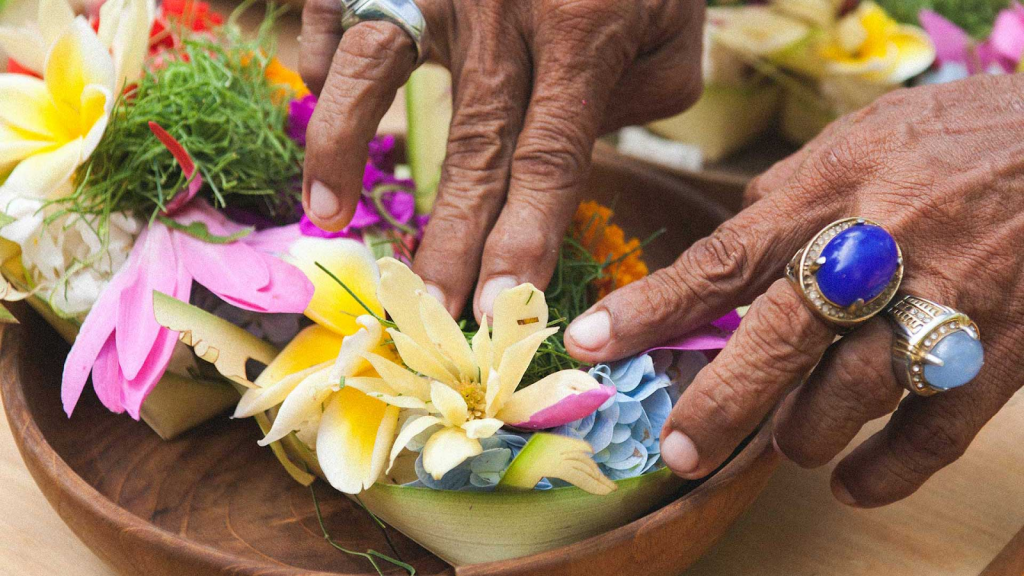
- Temple offering workshops (canang sari): Guided by local women, travelers learn how to assemble daily offerings, understanding the symbolism behind each element and its role in Balinese Hindu practice
- Banjar community interactions: When timing allows, visitors may observe or assist in village preparations for ceremonies, offering a glimpse into how collective responsibilities shape community life
- Traditional craft sessions: In artisan villages such as Mas and Celuk, hands-on workshops in wood carving or silversmithing allow travelers to work alongside skilled craftsmen and create their own pieces
Sustainability in Ubud is most tangible when travelers step into the systems that sustain the island’s landscape:
- Permaculture farm immersion: On small-scale farms around Tegallalang, visitors take part in composting, planting, and regenerative agriculture practices designed to restore soil health and reduce waste
- Reforestation initiatives: Tree-planting programs led by local organisations often include follow-up systems that track growth and ensure long-term impact
- River and jungle clean-up activities: Conducted with community groups, these efforts address waste flowing from inland areas toward Bali’s coastal ecosystems
Ubud’s natural environment reveals far more when explored through local knowledge and context:
- Rice terrace walks through the Subak system: Guided by farmers, these walks introduce travelers to Bali’s traditional irrigation method and the philosophy of balance that underpins it
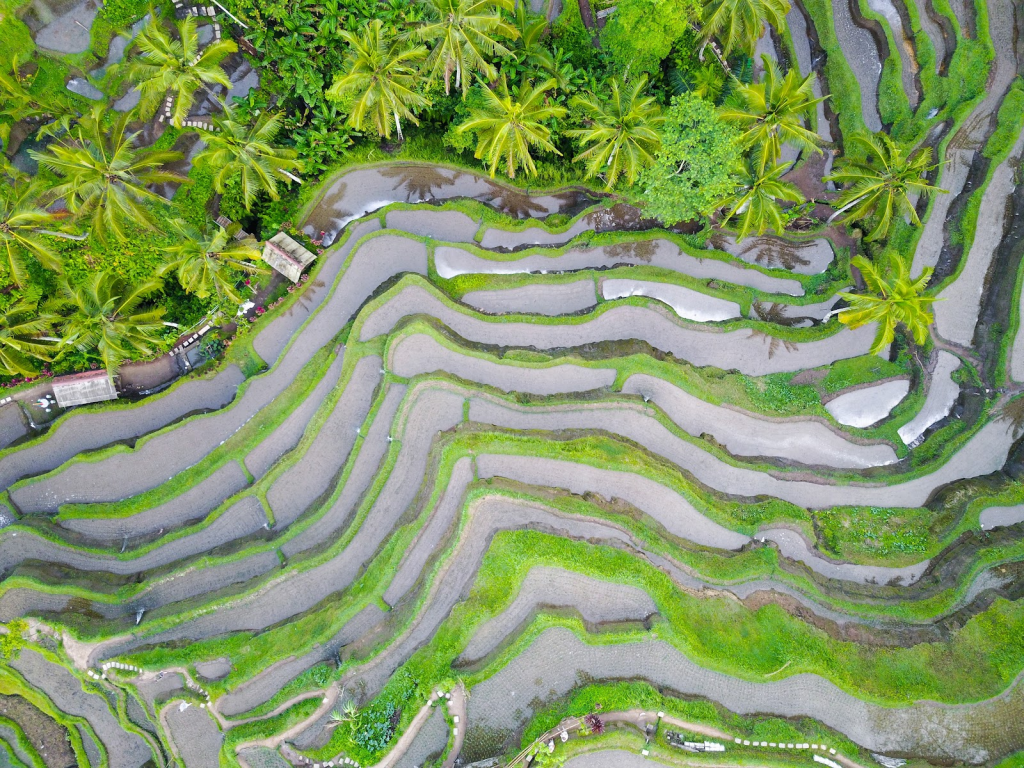
- Medicinal plant walks: Local guides share knowledge of endemic plants used in traditional remedies, offering insight into generations of inherited healing practices
- Night walks in the jungle: Evening excursions highlight a different side of Ubud’s biodiversity, from insects to amphibians, within the island’s dense ecosystems
2.3 Sustainable Stays in Bali
Across Ubud and surrounding regions, a number of properties have redefined hospitality through sustainability; integrating environmental responsibility into architecture, operations, and guest experience.
- Bambu Indah: A pioneer in eco-luxury, built from reclaimed teak structures and bamboo architecture, with natural swimming pools and a zero-waste philosophy embedded into daily operations
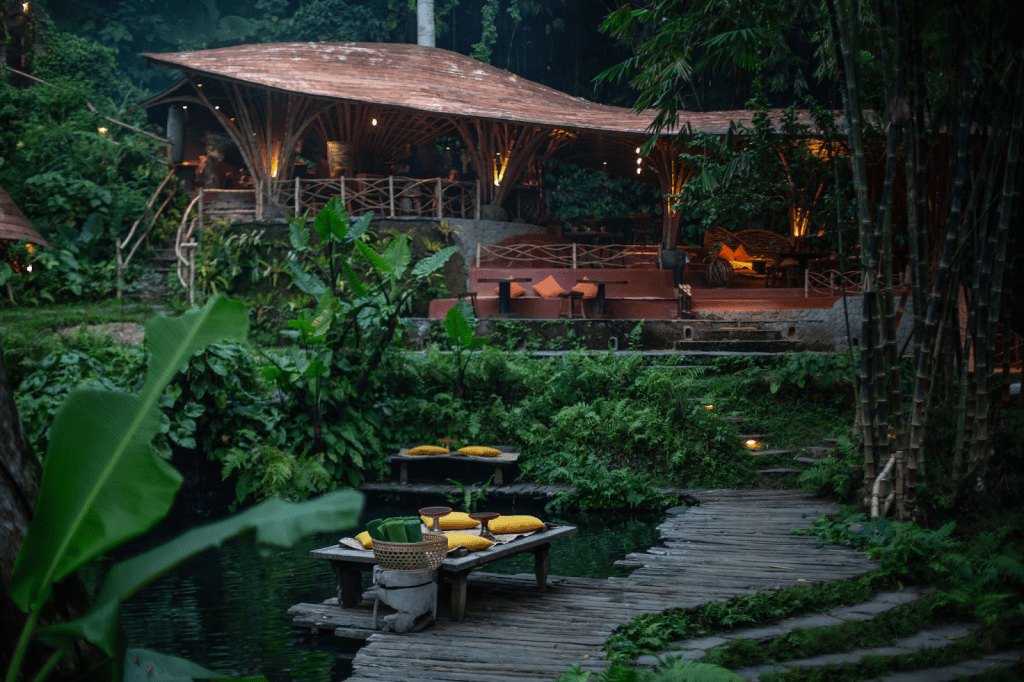
- Fivelements Retreat Bali: Focused on plant-based wellness and riverfront sustainability, the retreat combines holistic healing with environmentally sensitive design and waste reduction systems
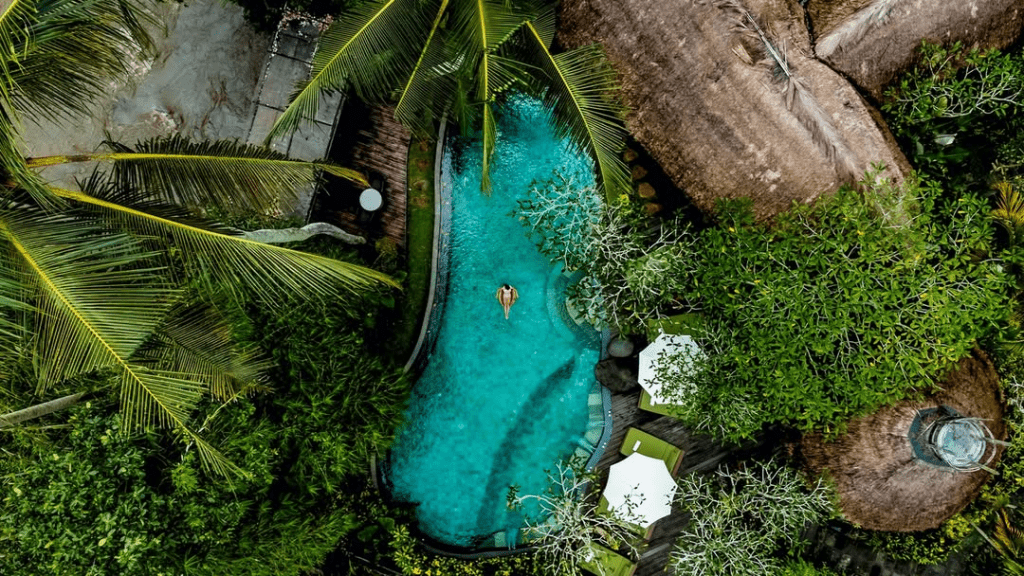
- Alila Ubud: Known for integrating contemporary design with local materials and energy-efficient systems, while supporting community-based initiatives and cultural preservation
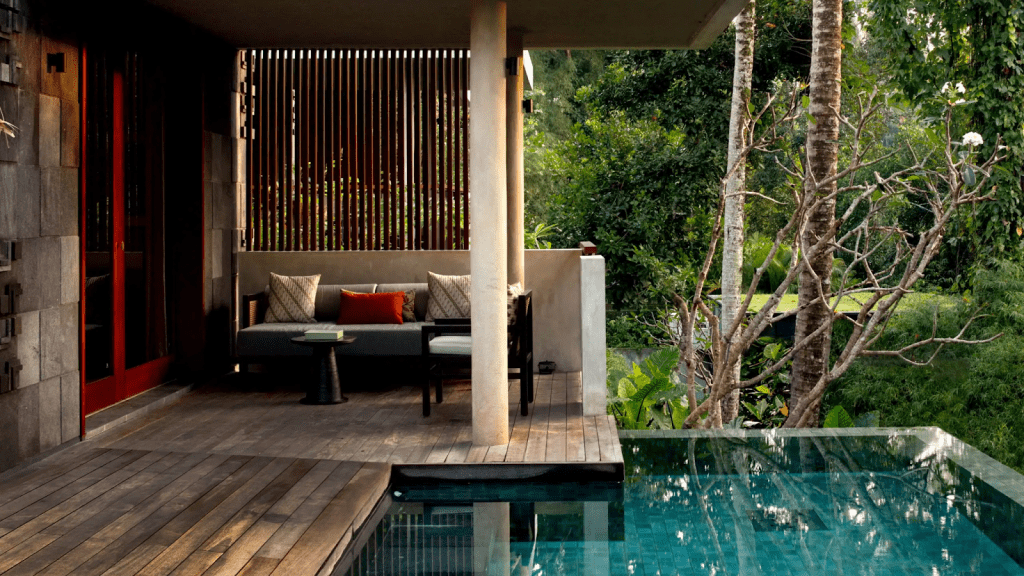
- Buahan, A Banyan Tree Escape: A “no walls, no doors” concept that minimizes environmental footprint while maximizing immersion in nature, with strong commitments to local sourcing and conservation
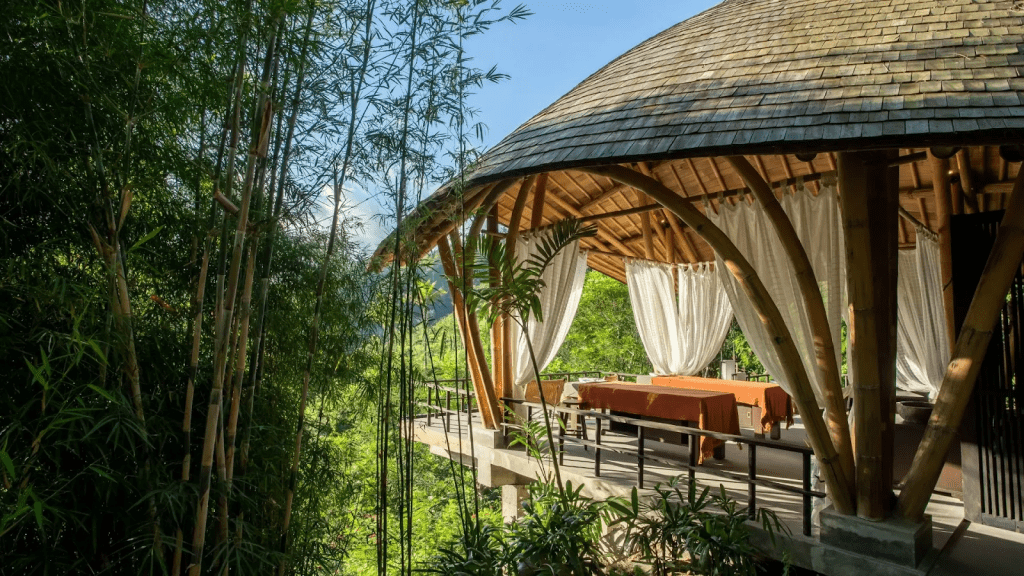
These properties reflect a broader shift in Bali’s hospitality landscape where sustainability is no longer niche, but increasingly central to the definition of luxury.
3. Marine Conservation in Nusa Penida
Off Bali’s southeast coast, Nusa Penida offers a different perspective, one defined by dramatic coastlines and rich marine biodiversity, but also by the urgent need for conservation.

3.1 A Fragile Marine Ecosystem
The waters around Nusa Penida are part of the Coral Triangle, one of the most biodiverse marine regions on the planet.
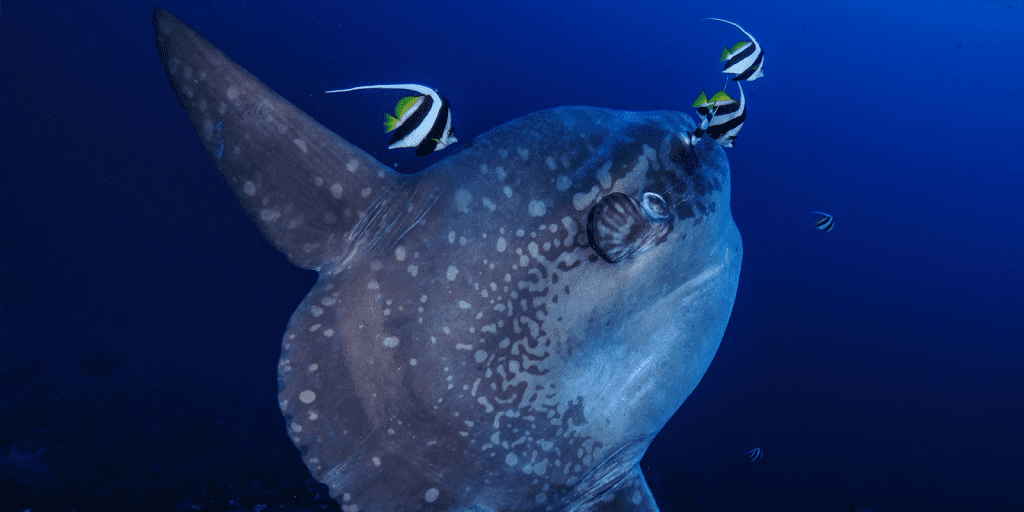
- Iconic marine species: Home to manta rays, mola mola (sunfish), and vibrant coral reef systems
- Conservation challenges: Threats from plastic pollution, climate change, and unregulated tourism activities
- Protected marine areas: Increasing efforts to regulate and preserve critical habitats
This makes Nusa Penida both a breathtaking destination and a critical conservation zone.
3.2 Travel as a Force for Conservation
When designed responsibly, tourism can actively support marine protection.
- Guided conservation programs: Experiences led by marine specialists that educate travelers on reef ecosystems and conservation practices
- Responsible snorkeling and diving: Strict guidelines to minimize impact on coral reefs and marine life
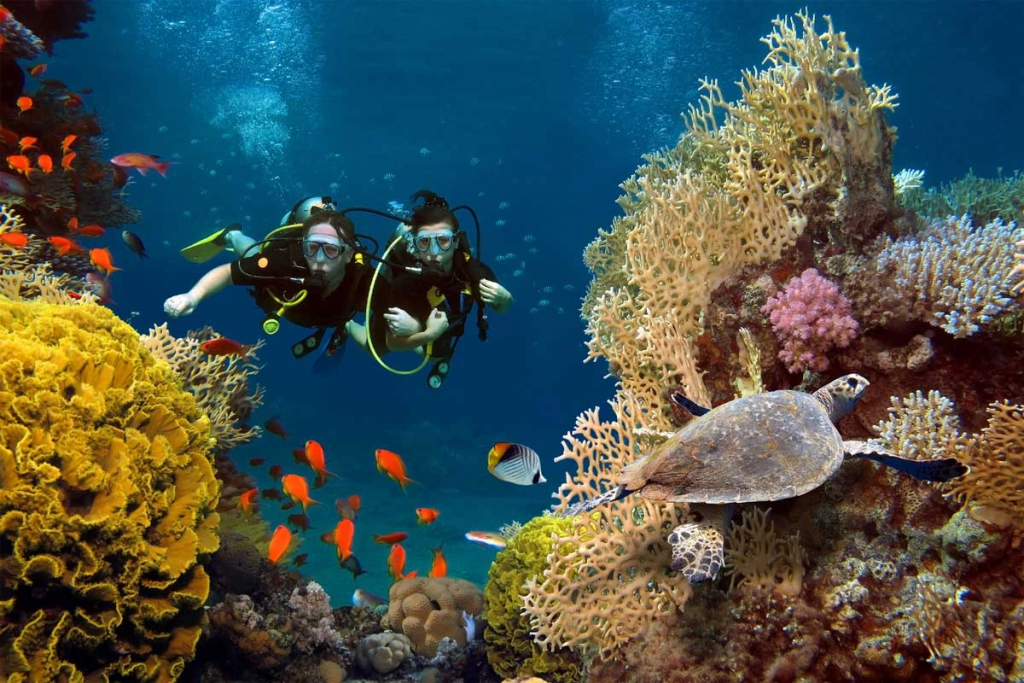
- Community involvement: Local initiatives that integrate conservation with livelihoods, ensuring long-term sustainability
These experiences transform visitors into participants, shifting from passive observers to informed contributors.
3.3 Responsible Travel Tips for Marine Conservation
For travelers visiting Nusa Penida, small choices can have significant impact on preserving fragile marine ecosystems.
- Use reef-safe sunscreen: Avoid sunscreens containing oxybenzone and octinoxate, which are known to damage coral reefs; opt for mineral-based alternatives instead
- Do not touch or stand on coral reefs: Even minimal physical contact can cause long-term damage to coral structures and marine habitats
- Maintain safe distance from marine life: Especially with manta rays and mola mola—avoid chasing or disrupting natural behavior
- Choose responsible operators: Travel with guides and dive centers that follow conservation protocols and limit group sizes
- Reduce plastic usage: Bring reusable bottles and avoid single-use plastics, particularly important in island environments with limited waste infrastructure
These practices align with guidelines promoted by organizations such as Green Fins, an internationally recognized initiative for environmentally responsible diving and snorkeling.
4. The Mango Tiger Way in Bali
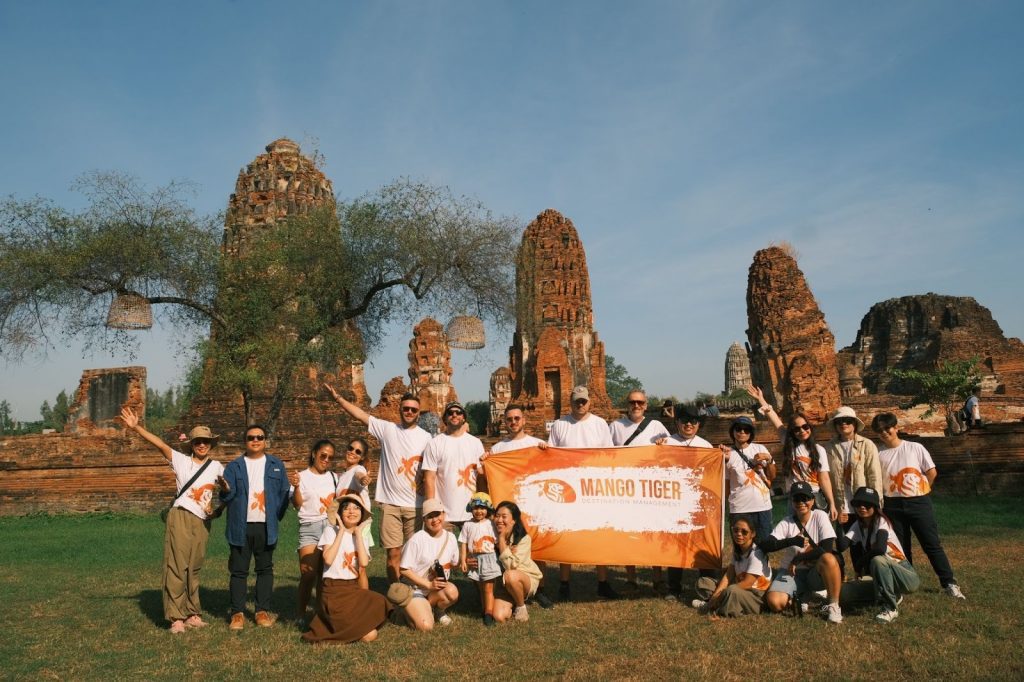
In Bali, Mango Tiger translates its philosophy into experiences that are grounded in purpose, shaped by local knowledge, and delivered with precision.
Beyond destinations and experiences, Mango Tiger’s approach in Bali is shaped by a simple principle: every journey should create value; for travelers, for local communities, and for the places they visit.
4.1 Products with Purpose
Each experience is carefully designed to go beyond surface-level tourism, offering meaningful engagement with Bali’s environment and communities:
- Turtle Watching by Paddleboard: Glide across the calm waters of Gili Trawangan on a paddleboard, observing sea turtles in their natural habitat. This low-impact activity allows travelers to experience marine life up close without disrupting delicate ecosystems
- Yayasan Widya Guna Volunteering: Spend time with a local foundation supporting Balinese children from vulnerable backgrounds. Established in 2006, the organisation provides education, housing, and daily care, offering travelers a chance to contribute to long-term community development
- Dinner at a Traditional Balinese House: Visit a local family home to learn about daily life, from preparing offerings to cooking traditional dishes. Each visit is unique, shaped by the rhythms of the household, and often includes unexpected moments such as family gatherings or ceremonies
4.2 Places with Purpose
Accommodation and destinations are selected not only for comfort and beauty, but for how they connect travelers to Bali’s natural and cultural landscapes:
- Bobocabin Ubud: Set amidst lush greenery, Bobocabin offers a quiet retreat that blends modern comfort with nature, creating space for rest and reconnection away from the intensity of Bali’s busier areas
- The Menjangan: Located within West Bali National Park, this property opens access to one of Bali’s most ecologically rich regions, where travelers can explore mangroves, coral reefs, and forest landscapes through low-impact activities such as kayaking, snorkeling, and horseback riding
- Puri Lumbung Cottages: An eco-resort in the highlands of Munduk, designed around traditional rice barn architecture and rooted in sustainability principles, offering expansive views across rice fields, valleys, and distant coastlines
4.3 People with Purpose
At the heart of every Mango Tiger journey are the individuals who bring these experiences to life: Local experts, partners, and community leaders:
- Jamz, Tour Guide: Now in his third year with Mango Tiger, Jamz has grown into a confident and trusted guide, reflecting the company’s commitment to developing local talent and long-term careers in tourism
- Ibu Troy, Horse Caretaker: In response to traveler concerns around animal welfare, Mango Tiger partnered with a local horse sanctuary in Gili Trawangan, supporting better care practices and creating opportunities for responsible engagement
- Nyoman Sri, Project Founder: Through ongoing collaboration with Yayasan Widya Guna, Mango Tiger has built a close relationship with its founders, supporting their mission through volunteering initiatives and sustained contributions
4.4 About Mango Tiger
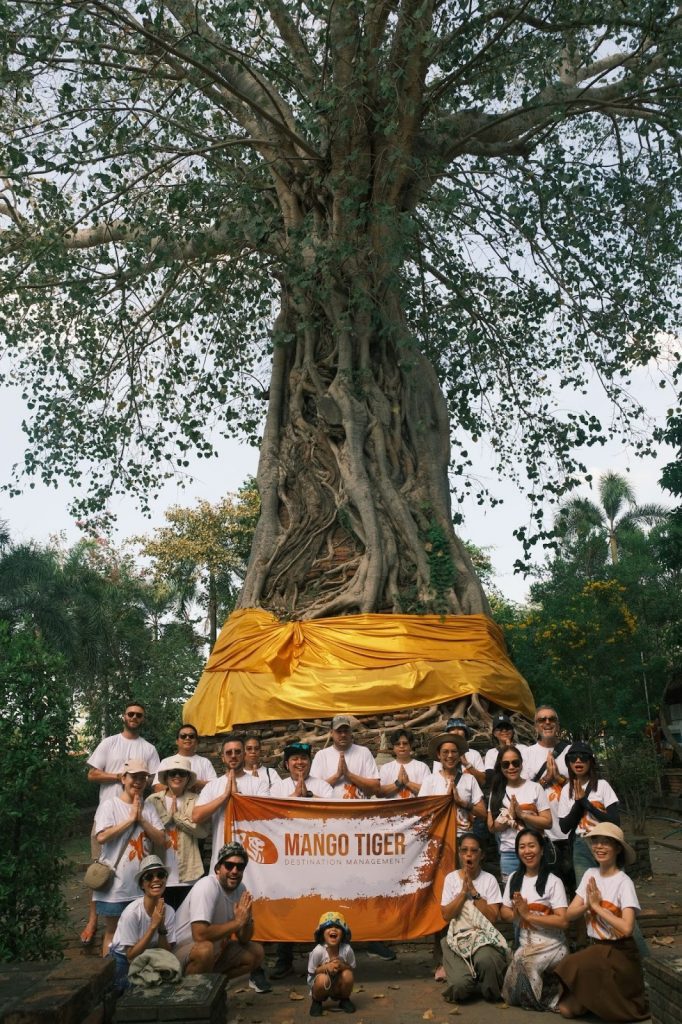
Mango Tiger is an Asia-based Destination Management Company specializing in meaningful, experience-driven travel across Southeast Asia. Operating across Indonesia, Vietnam, Cambodia, Laos, Thailand, and the Philippines, the company combines international expertise with deep local roots to create journeys that educate, inspire, and empower.
- Experiential education focus: Designing programs that balance learning outcomes with authenticity, safety, and sustainability
- Products with purpose: Ensuring every journey benefits local communities through responsible sourcing and engagement
- Expert logistics: Managing risk assessment, coordination, and 24/7 operations so clients can focus entirely on the experience
- Sustainable operations: Aligning with global frameworks through eco-certified accommodations and low-impact travel planning
- Regional network strength: Delivering consistent quality across multiple Southeast Asian destinations through strong local partnerships
- Team of changemakers: A collective of educators, designers, sustainability specialists, and local experts shaping travel as a force for good
By combining operational excellence with purpose-driven design, Mango Tiger delivers journeys that go beyond expectation, creating experiences that are both seamless and meaningful.
Bali is changing and so is the way we travel through it. The most memorable journeys are no longer defined by how much you see, but by how deeply you engage. With the right approach, every step on the island can become part of something larger, supporting communities, protecting ecosystems, and redefining what it means to truly experience a destination.
If you’re looking to explore Bali with intention where luxury meets responsibility and every detail is thoughtfully curated, Mango Tiger can design a journey that reflects not just where you want to go, but the impact you want to leave behind.
