

Kampot isn’t loud. It doesn’t demand your attention. Instead, it draws you in slowly – the way the river drifts at sunrise, the way pepper farms perfume the air, the way village life moves with a rhythm unchanged for generations. For conscious travelers seeking meaningful engagement, Kampot is one of Cambodia’s most rewarding destinations. Here, volunteering becomes more than a program; it becomes a genuine exchange between people, land, and culture. With Mango Tiger DMC’s deep local partnerships and community-first approach, volunteering in Kampot becomes an experience shaped by impact, authenticity, and heartfelt connection – exactly the kind of journey young travelers, schools, universities, and purpose-led groups are searching for today.
1. Why Kampot Is Cambodia’s Hidden Gem for Purposeful Volunteering
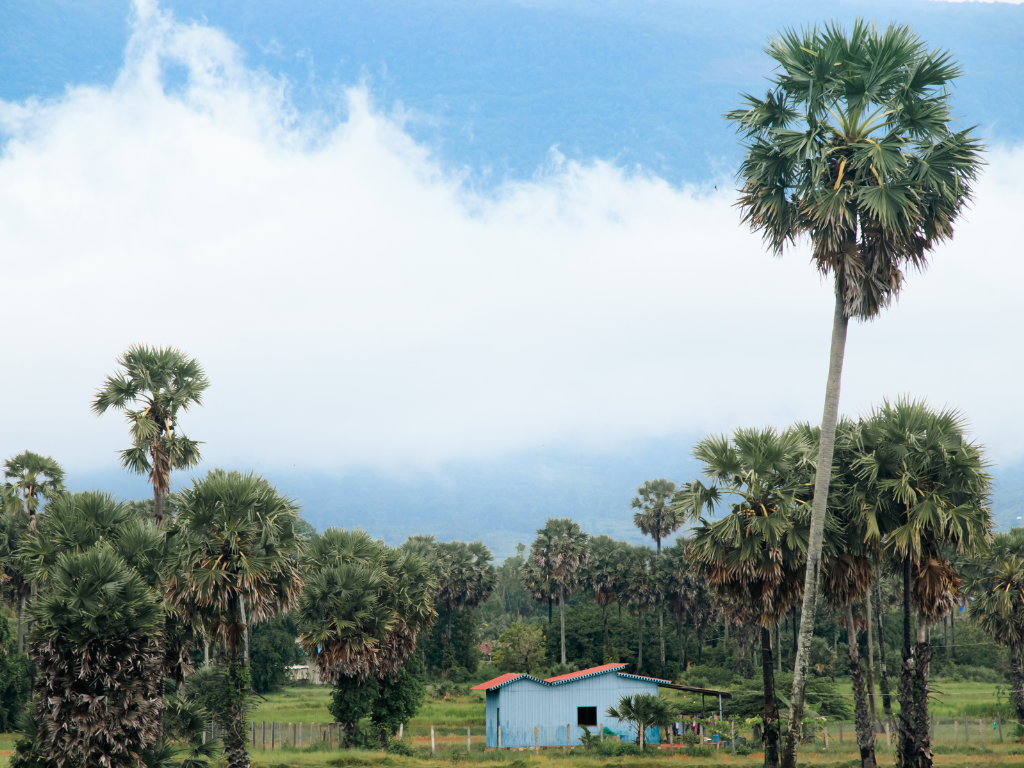
Kampot is often described as Cambodia’s soul in slow motion – a place where rural life, heritage, and nature still coexist in harmony. Its communities welcome volunteers not out of tourism pressure, but out of genuine collaboration that supports local needs.
1.1. A Landscape That Supports Learning and Service
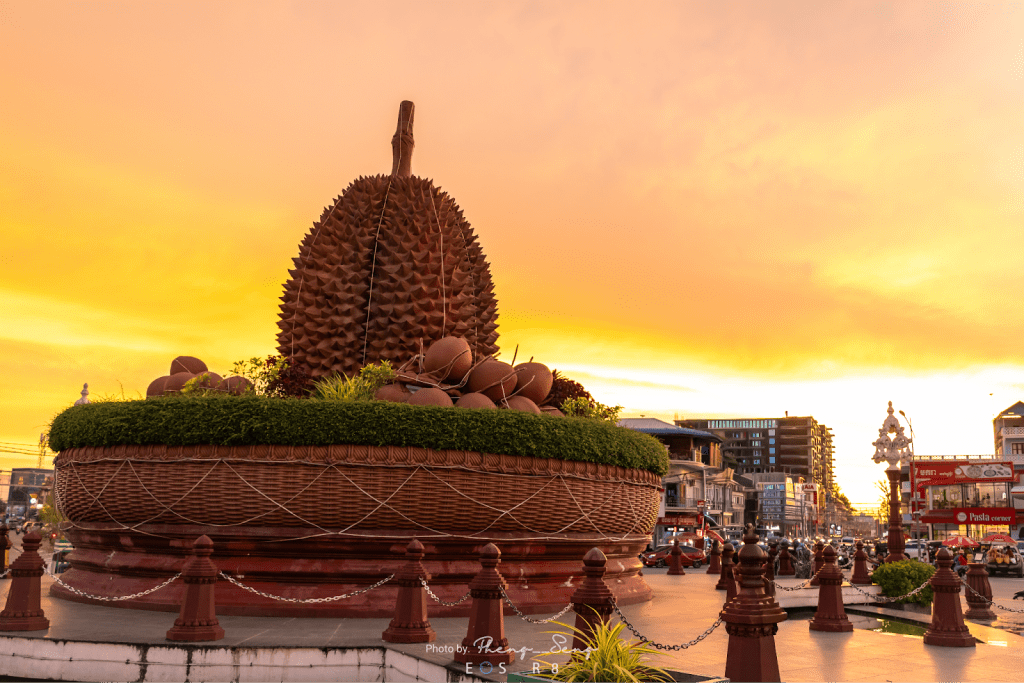
Kampot’s setting makes it naturally suited for immersive educational and volunteering programs.
From organic farms to riverside villages, the region offers real-world environments where students and conscious travelers can learn through hands-on engagement.
Key highlights include:
- Lush agricultural landscapes: Perfect for programs focused on sustainable farming and food security.
- Strong community structures: Kampot’s villages often work collectively, making collaboration with volunteers meaningful and organized.
- Heritage preservation: Pepper farms, fishing communities, and Buddhist pagodas contribute to a culturally rich backdrop for service learning.
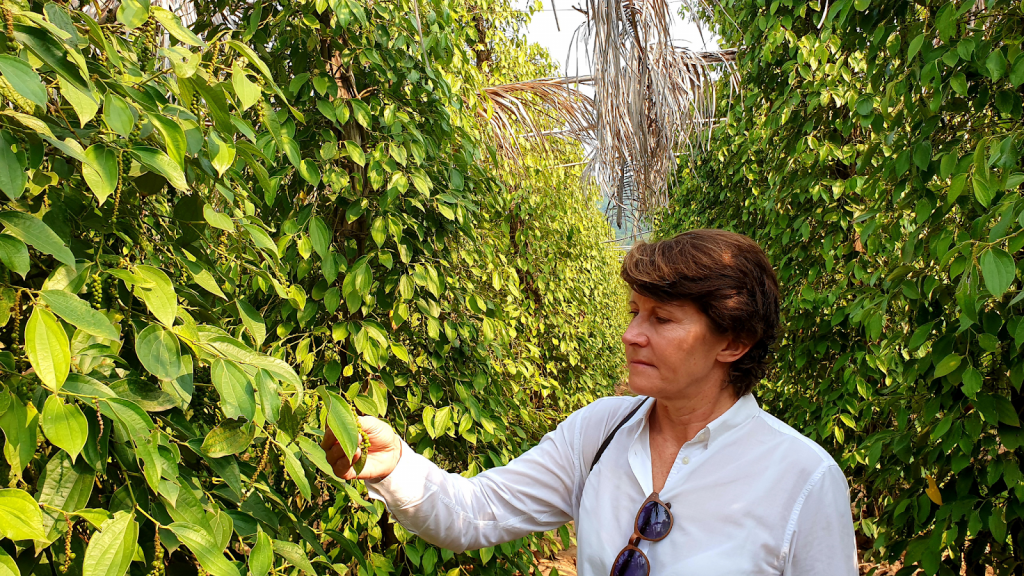
With its gentle pace and deeply rooted traditions, Kampot gives volunteers the rare chance to experience Cambodia in an honest, grounded, and community-centered way.
1.2. Safe, Welcoming, and Easily Accessible
Kampot has become one of Cambodia’s safest and most welcoming destinations for international students and first-time volunteers.
Why it works for educational groups:
- Calm environment: Unlike major cities, Kampot offers a peaceful setting ideal for focused learning and cultural immersion.
- Strong NGO presence: The region hosts respected non-profits working in education, agriculture, and public health.
- Easy connectivity: Located only 2–3 hours from Phnom Penh, it offers smooth logistics.
For educators and trip leaders, Kampot delivers the perfect balance of safety, cultural richness, and learning opportunities – without overwhelming students.
2. Grassroots Volunteering Opportunities in Kampot
Kampot’s volunteering experiences are grounded in real community needs. Mango Tiger builds each project through local partnerships to ensure responsible practices and genuine impact.
2.1. Education & Youth Empowerment
Kampot’s rural schools often lack teaching support, making education-focused programs highly meaningful.
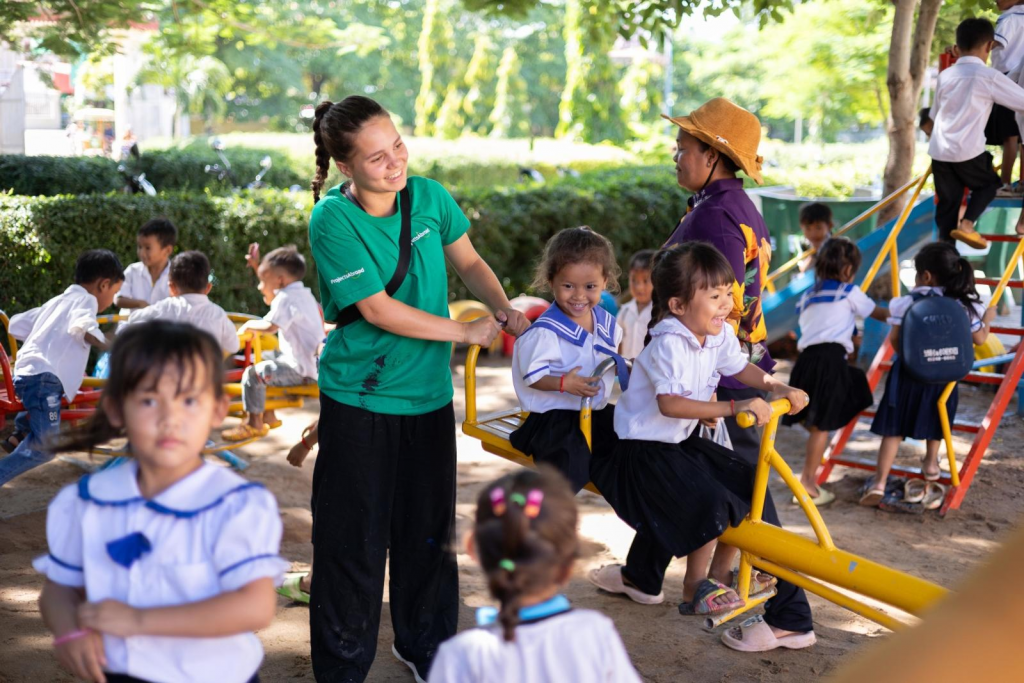
Volunteers may support:
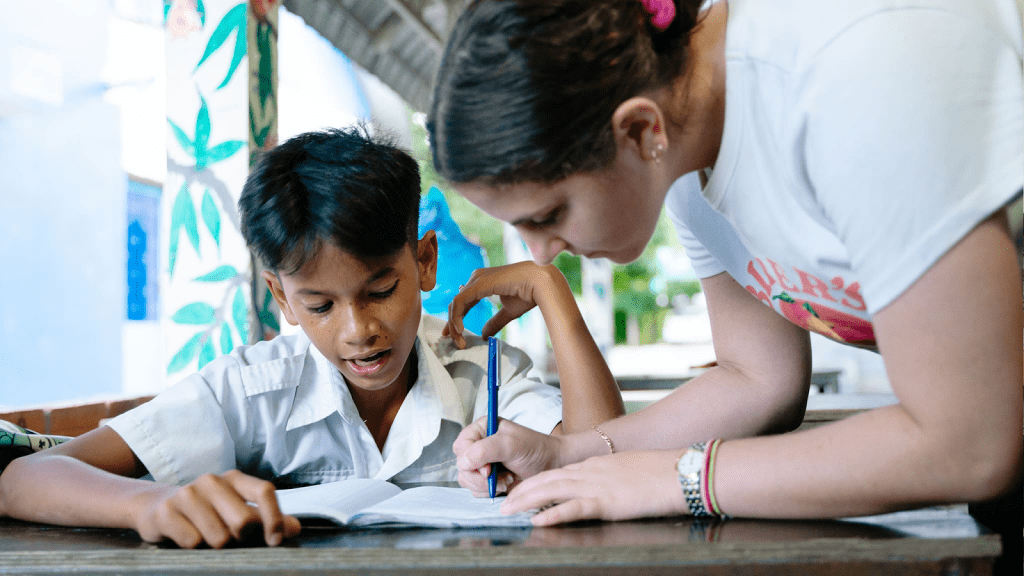
- English conversation classes: Helping students build confidence in speaking and listening.
- Creative learning workshops: Art, music, science experiments, and storytelling sessions.
- Teacher assistance: Supporting Khmer teachers in large classrooms.
- After-school programs: Homework support, sports, and community clubs.
These programs help students improve essential skills while encouraging cross-cultural connection and confidence building.
2.2. Sustainable Farming & Eco-Learning
Kampot is famous for its pepper farms and regenerative agriculture movement, making it a perfect destination for sustainability-focused volunteering.
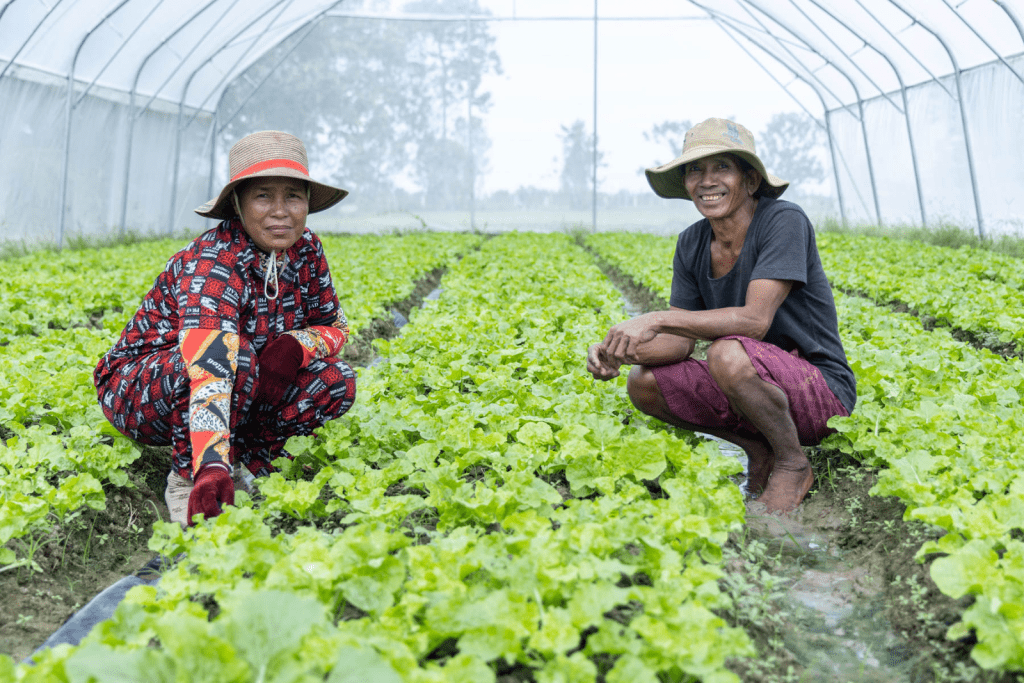
Meaningful activities include:
- Organic farming support: Soil preparation, planting, composting, irrigation maintenance.
- Farm-to-table learning: Understanding how rural families grow food sustainably with limited resources.
- Pepper farming heritage: Learning about Kampot pepper’s GI status and supporting smallholder farms.
- Environmental conservation: Tree planting, waste reduction projects, and eco-education with local youth.
By working alongside farmers, volunteers learn about climate challenges, food security, and rural innovation first-hand.
2.3. Community Health & Wellbeing Programs
Rural communities in Kampot often depend on local volunteers and NGOs for health education.
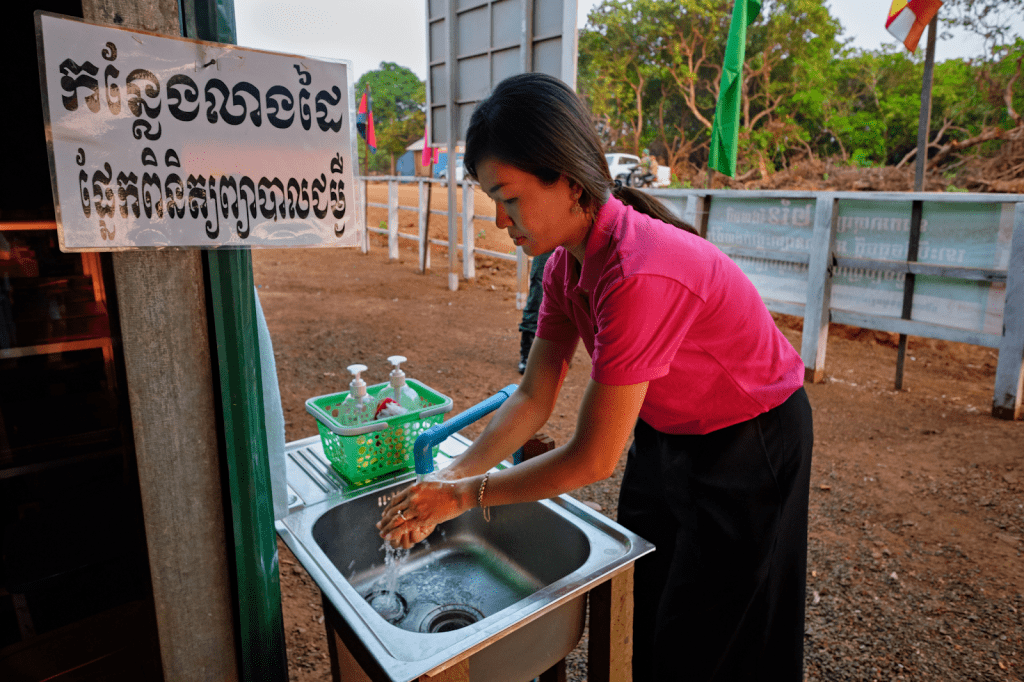
Volunteers may participate in:
- Hygiene workshops: Teaching children about handwashing, dental care, and basic health practices.
- Water sanitation projects: Supporting community-led initiatives around clean water access.
- Nutrition education: Helping families understand healthy eating on limited resources.
- Sports & wellbeing activities: Yoga, fitness, and mental wellness programs for youth groups.
These programs empower communities with practical knowledge that improves daily living long after volunteers leave.
3. A Sample 7-Day Volunteer & Cultural Program in Kampot
A week in Kampot gives students, gap year travelers or conscious holidaymakers enough time to connect, contribute and reflect without rushing. Mango Tiger designs impact weeks that balance volunteering with cultural learning and rest, so that travelers stay energized and communities are not overwhelmed.
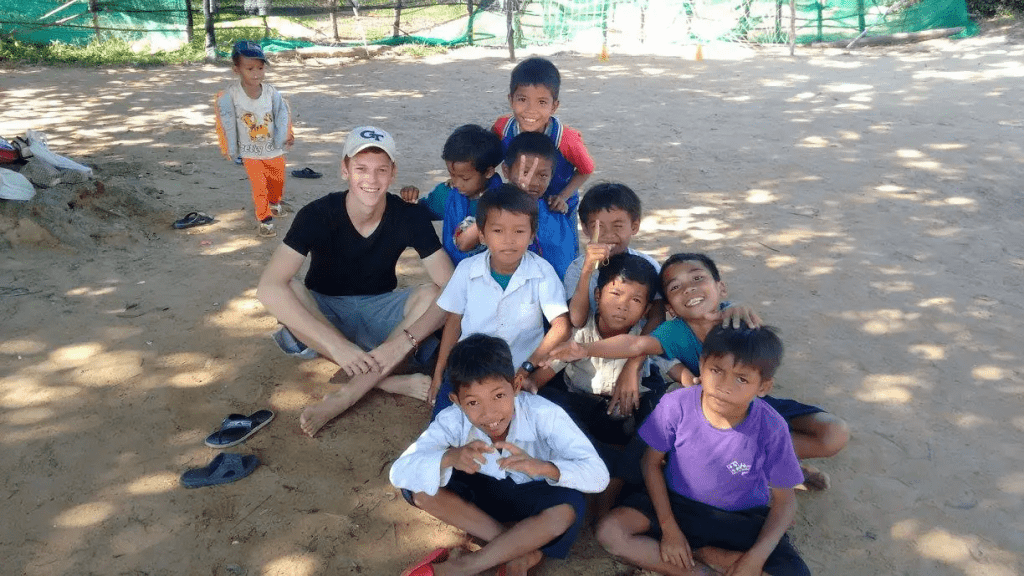
3.1. How A Kampot Impact Week Flows
Rather than packing every hour, an impact itinerary in Kampot follows a gentle rhythm.
- Mornings with purpose: Volunteers spend the first part of the day on structured activities at schools, gardens or community projects while everyone is fresh.
- Afternoons for learning: Visit pepper farms, markets, museums or nearby natural sites to deepen understanding of Kampot’s history and economy.
- Evenings to digest: Share group reflections by the river, write journals or simply watch the sky change color, allowing experiences to settle.
This structure keeps the focus on quality, not quantity. The goal is not to “do the most”, but to make sure the work and learning that happens actually lands.
3.2. Sample 7 Day Kampot Impact Itinerary
This example shows how grassroots volunteering, slow travel and cultural immersion can weave together into one coherent story.
Day 1: Arrival and Orientation
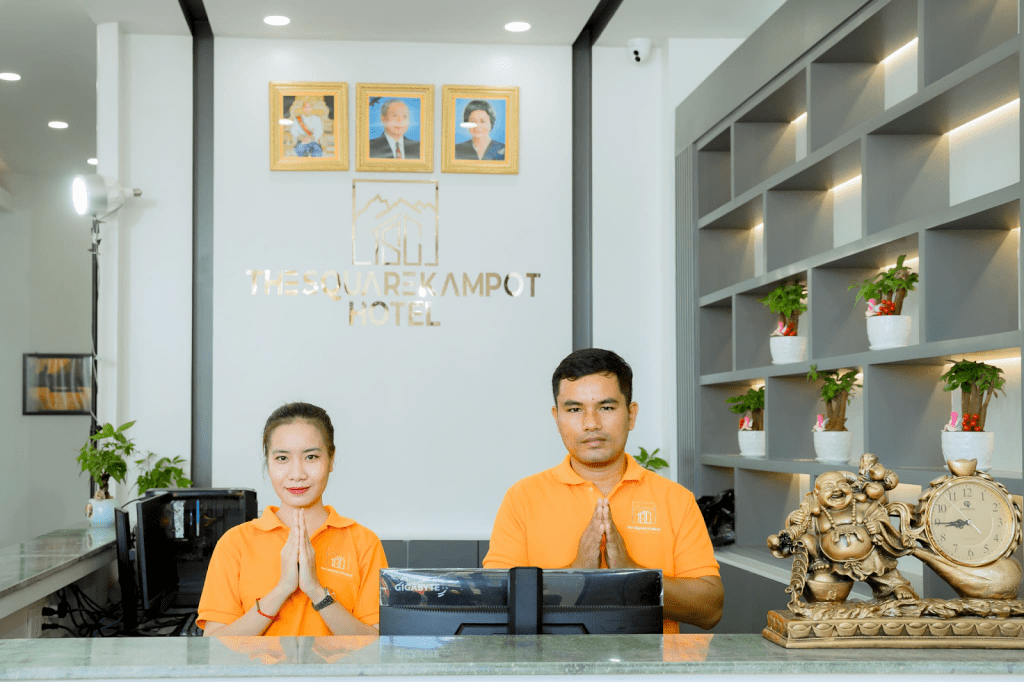
- Arrival: Settle into your riverside base at The Square Kampot Hotel, located steps from the river and Old Town
- Introduction: Meet Mango Tiger’s local coordinator for a walking tour of the town (market, old bridge, riverside path, museum)
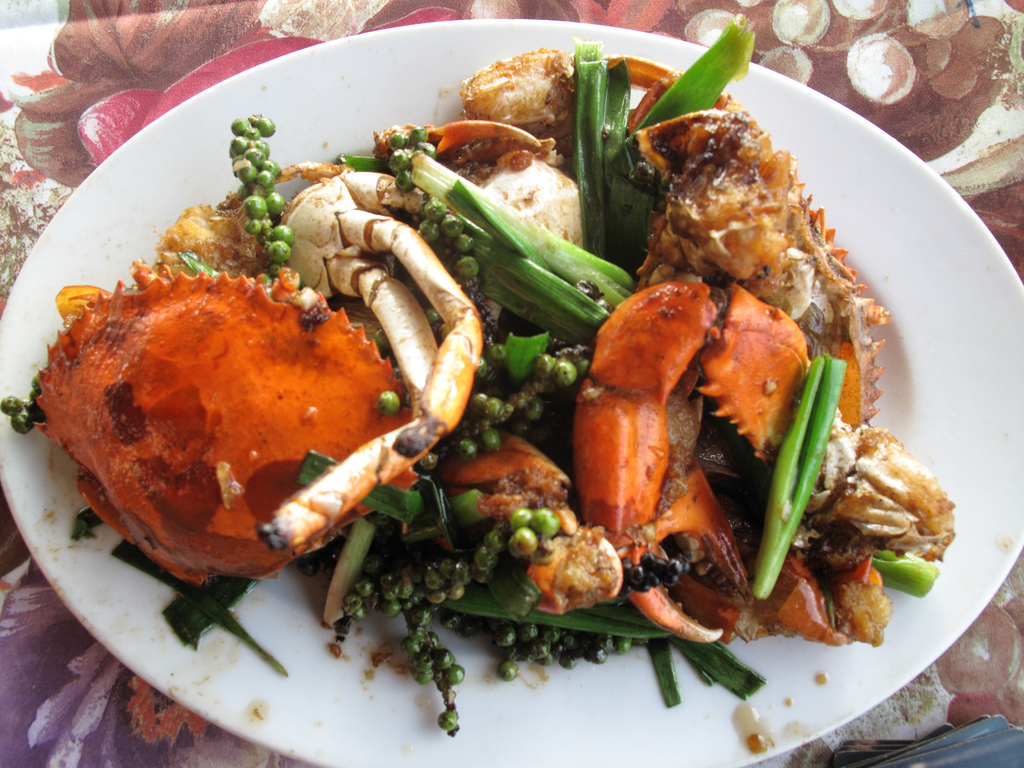
- Dinner: Enjoy Kampot pepper dishes and a briefing on culture, safety, and impact goals
Day 2: Understanding Kampot and Its Pepper
- Morning: Visit a Kampot pepper farm recognized under the Kampot Pepper GI scheme, learning about organic farming and climate impact
- Afternoon: Cultural session on Kampot’s history and community, helping prepare for the volunteering days ahead
Day 3: Education Support – Day 1
- Morning: Volunteer at a local school, shadowing teachers and assisting with group activities or English conversation
- Afternoon: Join an arts-based session inspired by projects like Epic Arts (drawing, drama, themes of dreams, family, and future)
Day 4: River, Environment, and Community Health
- Morning: Participate in a riverbank clean-up led by local youth, followed by a waste management workshop
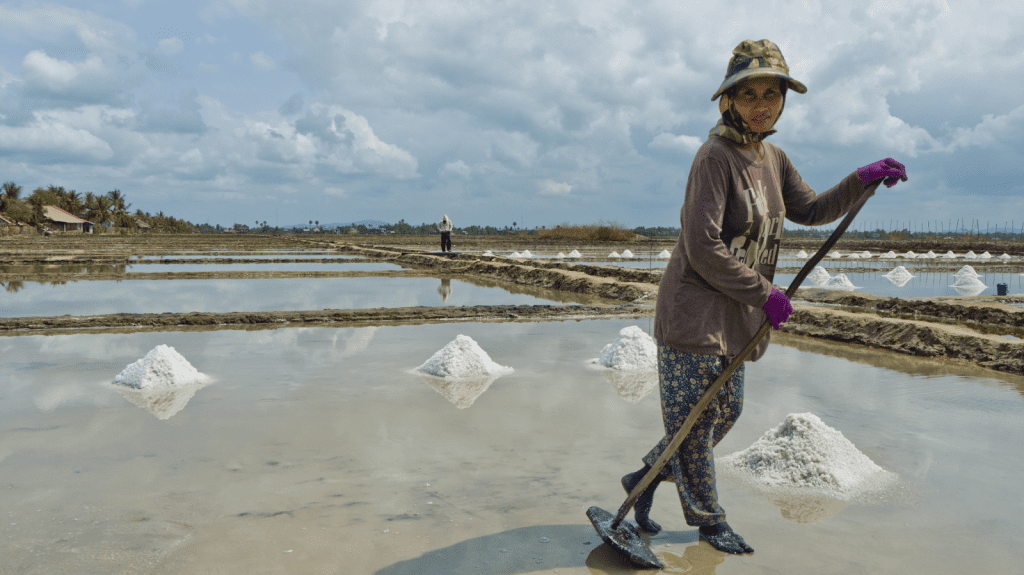
- Afternoon: Visit salt fields or rice paddies, understanding how climate and market trends shape local livelihoods
- Evening: Sunset boat ride or quiet reflection by the river
Day 5: Education Support – Day 2 and Home Life
- Morning: Return to the school, assisting with specific activities like reading, presentations, or games to reinforce English vocabulary
- Afternoon: Visit a village home or farm to experience daily life, share snacks, and engage with a local family
Day 6: Countryside Exploration and Reflection
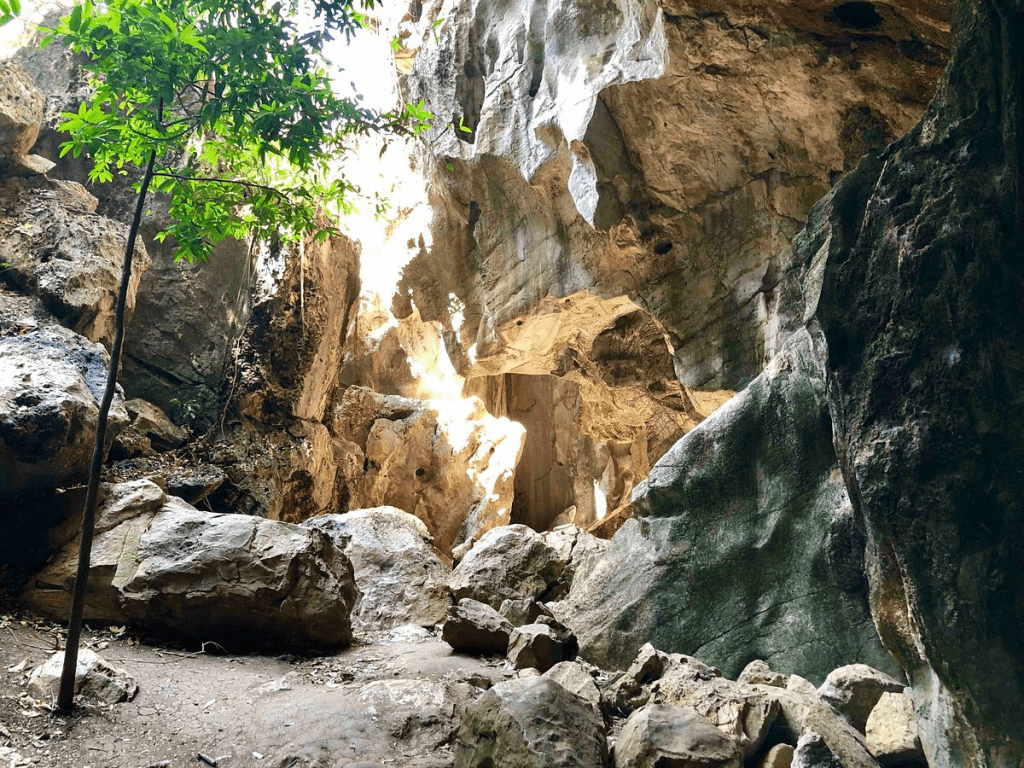
- Morning: Explore limestone caves, small pagodas, or rural viewpoints around Kampot
- Afternoon: Picnic lunch followed by a guided reflection session to process the trip’s impact on Cambodia, Kampot, and personal growth
- Evening: Final dinner with project partners and local friends
Day 7: Closing the Loop
- Morning: Final volunteering tasks (painting a classroom wall, finishing garden work…)
- Afternoon: Closing circle and feedback session
- Departure: Continue your travels in Cambodia or head home with a deeper understanding of the local community
Every group and traveler is different, so Mango Tiger treats this as a starting point. The exact balance of education, farming and health activities is adapted to your goals, skills and the needs of partner communities at that time.
4. Why Choose Mango Tiger for Volunteering in Kampot?
Mango Tiger is not just a DMC; it is a purpose-driven travel collective with deep community ties across Cambodia. Every program is designed with authenticity, safety, and impact at the core.
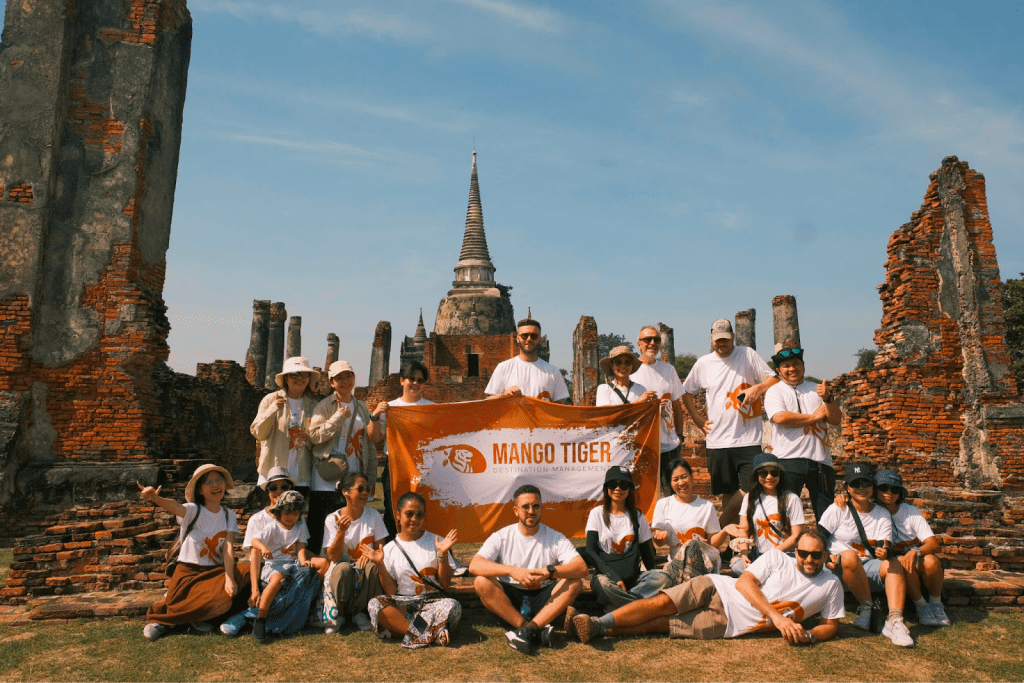
4.1. Custom, Purpose-Led Educational Design
Mango Tiger crafts programs that align with each school’s learning outcomes and values.
You can expect:
- Tailor-made itineraries: Built around curriculum goals, group ages, and travel themes.
- Ethical volunteering: All activities are community-requested and locally co-managed.
- Holistic learning: Blending history, culture, sustainability, and service.
- Risk-free logistics: Accommodation, transport, staffing, health checks—all handled professionally.
With Mango Tiger, every element of your program is thoughtfully designed to ensure both educational depth and meaningful impact.
4.2. Deep Local Roots & Trusted Community Partners
Everything Mango Tiger does is rooted in relationships – with communities, educational leaders, artisans, farmers, and grassroots organizations.
Their strengths include:
- On-the-ground teams: Local coordinators who understand cultural nuances and community needs.
- Long-term partnerships: Ensuring projects benefit the community, not just the traveler.
- Local immersion: Access to experiences not available through traditional operators.
- Cultural sensitivity training: Preparing students to engage respectfully and responsibly.
Mango Tiger’s local connections ensure that your group experiences Kampot in a way that is safe, authentic, and truly impactful.
5. The Mango Tiger Way
The Mango Tiger Way is the thread that ties all of this together. Across Southeast Asia, Mango Tiger designs journeys that blend curiosity, responsibility and comfort into one story. In Kampot, that means helping you move beyond the “cute riverside town” postcard into a much deeper relationship with the people and places that call it home.
5.1. Products With Purpose
Mango Tiger’s impact offerings are not off the shelf volunteer packages. They are crafted journeys where every activity is chosen for both its learning value and its benefit to local partners.
- Education focused impact stays: Combine time in Kampot classrooms and learning spaces with visits to museums, pepper farms and historic sites, so travelers can see how history, policy and daily life shape education today.
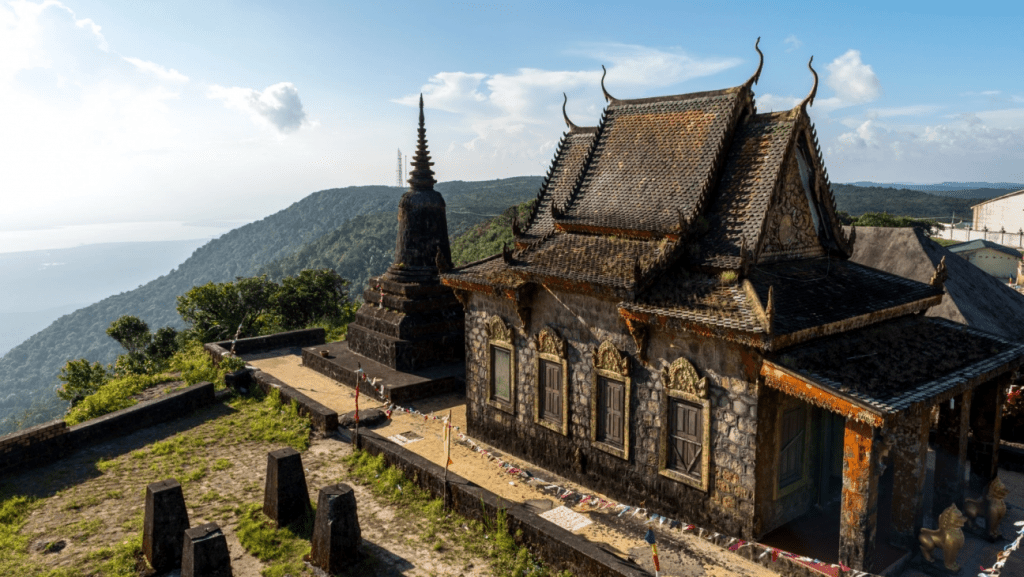
- Sustainable food and farming circuits: Follow Kampot’s food systems from soil to plate, meeting pepper farmers, market vendors and small cafés that source locally, and discussing how geography, GI protection and climate change intersect.
- River and countryside stewardship days: Weave in river clean ups, mangrove or tree planting, and gentle kayaking or walking exploration that highlight the health of Kampot’s ecosystems.
These products with purpose reflect Mango Tiger’s core belief: impact travel should always add more than it takes, for both visitors and hosts.
5.2. People With Purpose
Behind every Kampot itinerary is a web of people who care deeply about this place.
- Local educators and coordinators: Facilitate school and youth centre activities, brief volunteers on context and help translate ideas into age appropriate, culturally sensitive sessions.
- Farmers and food storytellers: Open their fields, kitchens and stories to visitors, explaining not only how Kampot pepper grows, but what it means for family income, soil health and regional identity.
- Mango Tiger regional team: Connect Kampot programs to a wider Southeast Asia network, so impact trips here can link with journeys in Siem Reap, Phnom Penh or neighbouring countries when needed.
These are the people who give your time in Kampot texture and warmth. Volunteering stops being abstract and becomes a set of faces, voices and shared moments that are hard to forget.
5.3. Places With Purpose
Where you sleep and gather matters just as much as where you volunteer. Mango Tiger looks for bases that feel rooted in Kampot rather than sealed off from it.
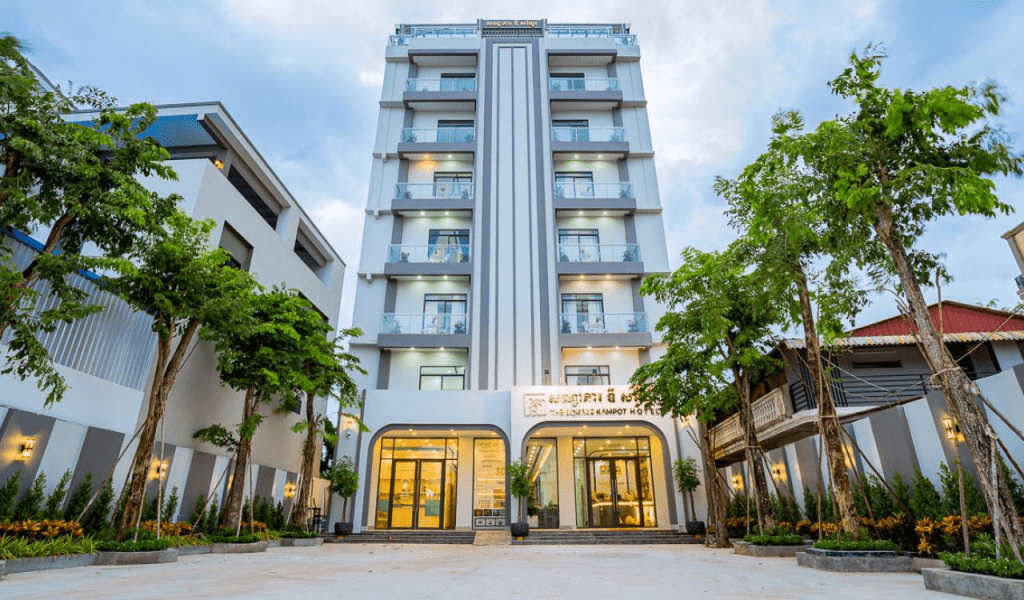
- The Square Kampot Hotel: A small, design forward hotel close to the river and Old Town, The Square provides a comfortable yet unfussy base for impact travelers. Its location makes it easy to walk to cafés, markets and the riverfront between project days, keeping guests connected to daily life rather than isolated on the outskirts.
- Riverside and countryside spaces: From simple river piers used for reflection circles to rural viewpoints for sunset debriefs, Mango Tiger deliberately uses spaces that frame Kampot’s landscapes as part of the learning journey.
- Community owned venues: Where possible, meeting rooms, lunch spots or workshop areas are chosen in collaboration with local partners, ensuring that money spent on logistics also supports community initiatives.
Taken together, the Mango Tiger Way in Kampot creates impact trips that feel grounded, thoughtful and genuinely alive. You are not just visiting a pretty riverside town; you are stepping into a living, breathing classroom and community.
Ready To Start Volunteering In Kampot?
If you are looking for a way to combine slow travel with real impact, volunteering in Kampot is a powerful choice. Whether you are designing a school program, a university field trip, a gap year chapter or a personal impact holiday, Mango Tiger DMC can help you build a journey that connects history, community and landscape in a meaningful way.Reach out to Mango Tiger DMC today to start shaping your Kampot impact itinerary, and turn Cambodia’s hidden gem into a place where your travelers learn, contribute and carry ancient lessons home with them.
