
1. Why Ubud Is Asia’s Classroom for Experiential Education
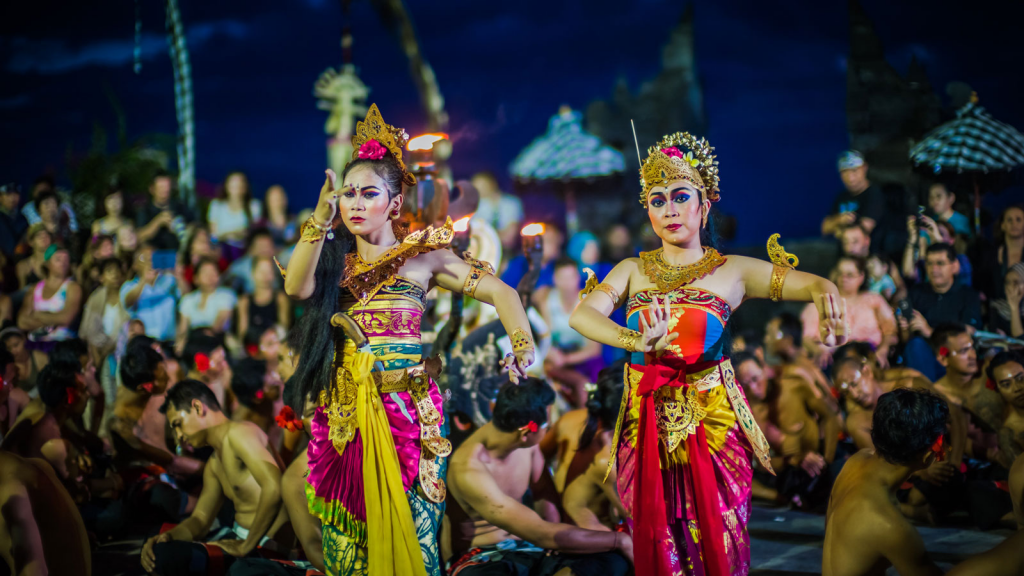
Ubud is often described as Bali’s cultural heartbeat, and for good reason. It’s a place where art, tradition, and daily life are inseparable. Here, the village’s rich heritage isn’t confined to museums, it thrives in the community, in everyday rituals, and in the stories passed down through generations.
1.1. The Living Culture of Bali’s Highlands
Ubud’s culture is not a museum piece but a set of active practices — governance, craft, ritual and contemporary arts — that students can observe, test and learn from.
- UNESCO cultural landscape at your feet: Ubud lies within Bali’s world-renowned subak cultural landscape, where irrigation cooperatives are governed by the philosophy of Tri Hita Karana – balancing the divine, people, and nature. UNESCO notes the subak’s democratic and egalitarian farming practices and links this worldview to Bali’s physical landscape and productivity.
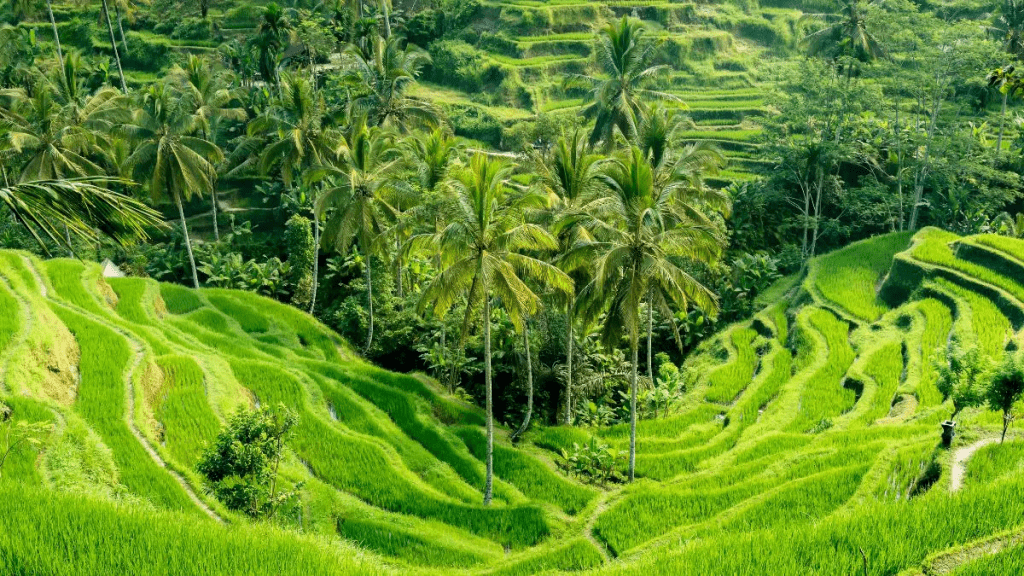
- Heritage governance is active, not static: After inscription in 2012, Bali adopted a formal Management Plan and a multi-stakeholder Governing Assembly to sustain traditional subak and resist inappropriate development – great material for students studying heritage policy and community governance.
- Art history in context, not just in galleries: Ubud’s modern art story includes the Pita Maha movement from 1930s, catalyzing new painting and carving standards and exhibitions; scholars document the role of figures such as Walter Spies and Rudolf Bonnet in professionalizing local arts – helpful background for arts & culture modules.
- Hands-on craft geographies:
- Mas Village (south of Ubud) is a historic woodcarving center documented since the early 20th century and closely tied to tourism’s rise—useful for discussing craft economies and place-branding.
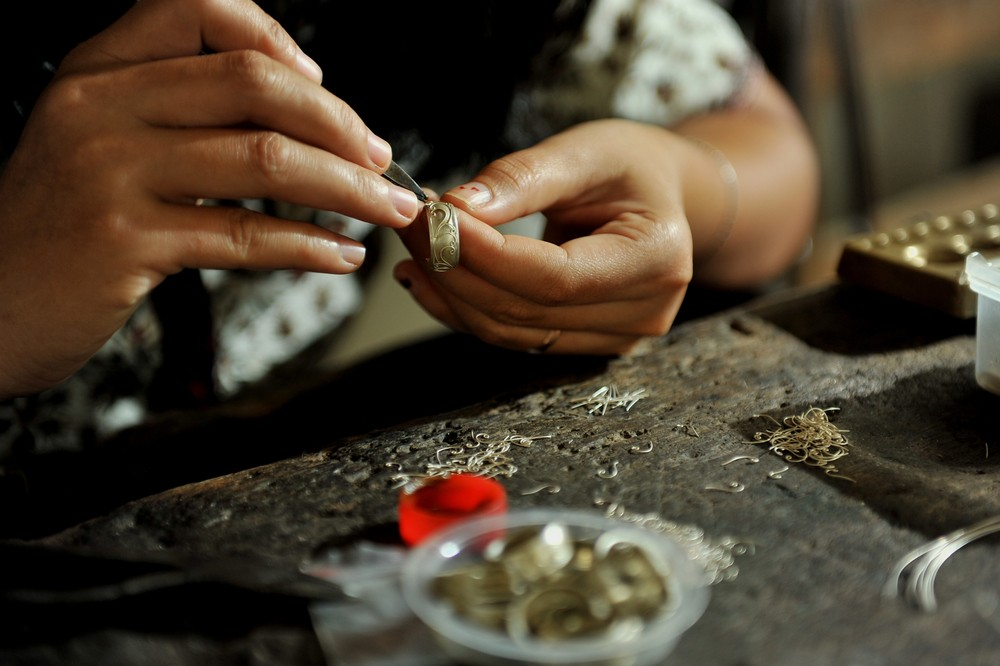
- Celuk Village is synonymous with precious-metal silversmithing; workshops enable learners to observe tool use, alloying, and design iteration in real time (excellent for design & technology learning).
- Iconic temple as a design case: Pura Taman Saraswati (Ubud Water Palace) designed by I Gusti Nyoman Lempad, commissioned by Prince Cokorda Gde Agung Sukawati, built 1951–1952 is a concise study in sacred urban space, iconography, and landscape.
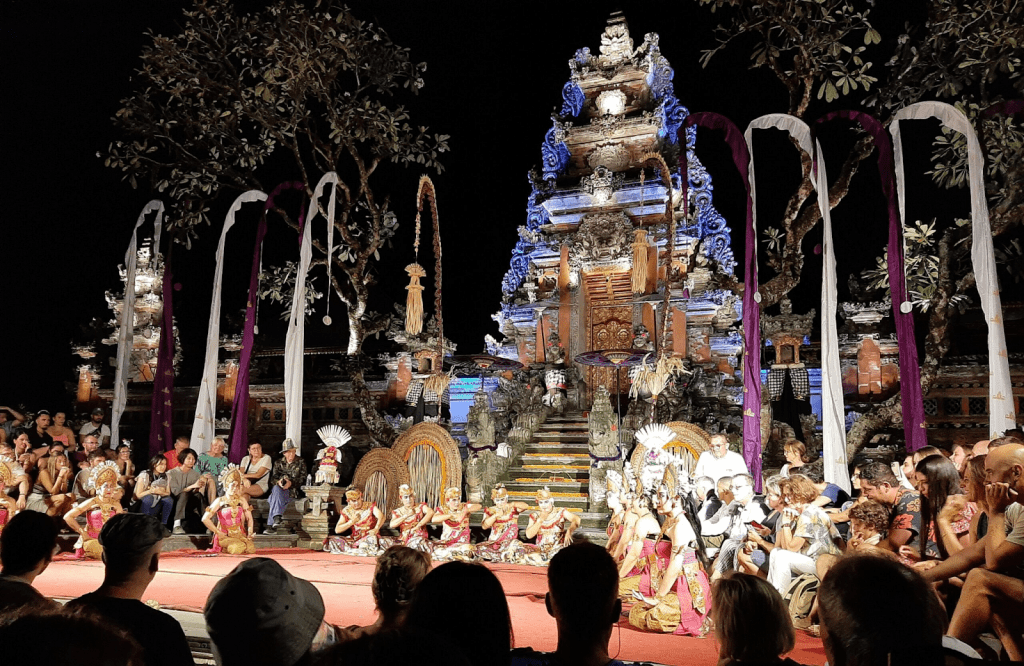
These diverse cultural dimensions from art to architecture, from heritage to daily practice. This gives students the rare chance to learn in a living museum. Ubud isn’t just a place to visit; it’s a place to engage with and understand, where culture is alive and thriving in the very air you breathe.
1.2. Learning from Sustainability in Action
The landscape around Ubud functions as a laboratory for sustainability, where traditional systems and modern regenerative practice intersect.
- Subak as social-ecological system: Fieldwork in the terraces lets students map water flows, interview farmers, and connect ritual governance at water temples with cooperative resource management—exactly how UNESCO frames the site’s Outstanding Universal Value.
- Project-based green education, locally exemplified: Green School Bali formalizes transdisciplinary, project-based learning guided by nature; its Green Literacies framework integrates academic, creative, physical, emotional, and ecological dimensions—an excellent benchmark for schools designing outcomes-based modules.
- From bamboo to circularity: Green School’s campus and programming underscore wall-less, regenerative pedagogy, offering a reference model when you embed bamboo prototyping, composting, or enterprise labs into your Ubud itinerary.
- Biodiversity & visitor ethics wrapped in one site: Ubud’s Sacred Monkey Forest Sanctuary – a temple-forest complex guided by Tri Hita Karana – hosts three 14th-century temples, more than 115 tree species, and a resident macaque population; the sanctuary’s mission makes it ideal for lessons on habitat, sacred ecology, and visitor conduct.

These living examples allow students to analyze sustainability at multiple scales: Farm plots, school campuses, sacred forests and to practice interventions informed by local knowledge.
1.3. Spiritual and Personal Growth Through Immersion
Immersion in Ubud is as much about inner development as about external study: Ritual rhythms, daily offerings and shared ceremonies invite reflection.
- Ritual life as living syllabus: Morning offerings, purification rites, and temple etiquette sessions give students a grounded understanding of how spirituality structures time, space, and communal responsibility in Bali’s highlands (connects directly back to Tri Hita Karana and subak).
- Mindfulness anchored to place: Ubud’s temple circuits, forest sanctuaries, and slow paths provide safe terrain for reflective walks, journaling, and guided mindfulness – tying emotional literacy to environmental awareness via heritage spaces like the Monkey Forest (mission explicitly aligned to harmony between people–nature–divine).
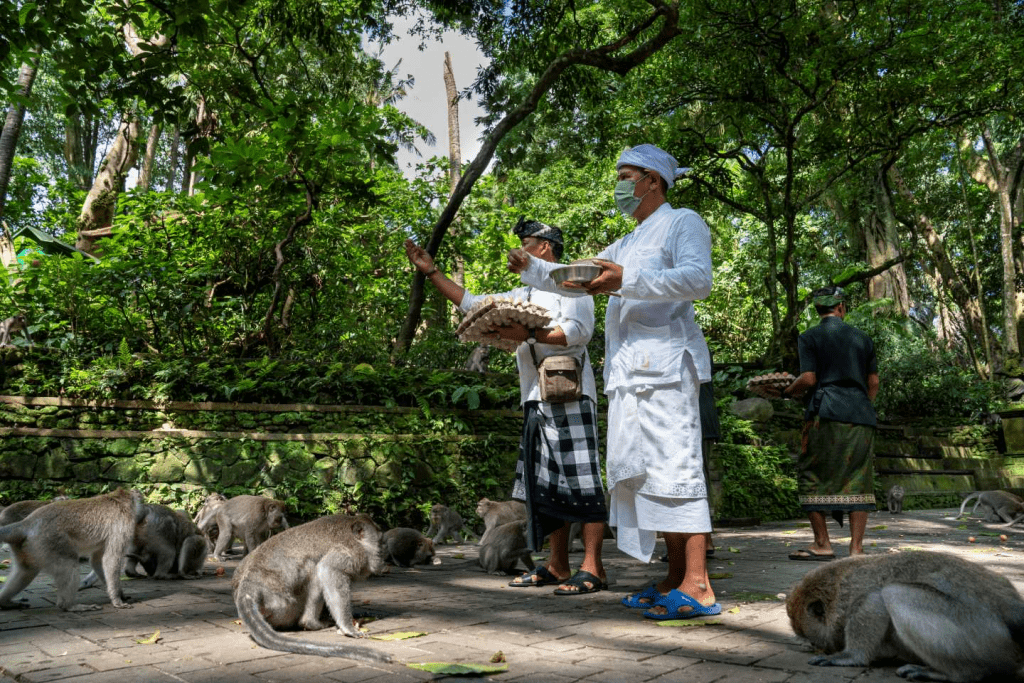
Whether it’s the deeply rooted culture, the progressive sustainability practices, or the spiritual practices that invite personal reflection, Ubud stands as a vibrant living classroom. It offers an invaluable opportunity for students to learn beyond textbooks and experience the world as an interconnected whole, giving them real-life lessons that will last a lifetime.
2. How Experiential Programs in Ubud Work
Experiential education in Ubud offers much more than a traditional classroom setting. The programs are carefully designed to blend learning with real-world experience, giving students the chance to apply academic theory in real-life situations. These programs are fully immersive, hands-on, and transformative.
2.1. Designed for Schools and Universities
Mango Tiger DMC crafts experiential education programs that align with academic frameworks while keeping learning immersive and fun. Whether for high schools, universities, or youth development initiatives, each program is customized to achieve specific outcomes in cultural awareness, environmental literacy, and social responsibility.
- Educational alignment: Programs can connect directly to curricula in Geography, Global Citizenship, Environmental Science, or Social Studies.
- Flexible design: Choose between short cultural immersions or week-long sustainability modules.
- Safe and supported: Our Bali team manages logistics, safety assessments, and trained facilitators to ensure every learning moment is enriching and secure.
By tailoring each program to meet specific educational goals and providing ongoing support, Mango Tiger ensures that every experience is not only enriching but also educationally valuable. Students don’t just observe; they actively participate, learning from the environment, the people, and each other.
2.2. Learning Outcomes and Curriculum Links
Experiential learning in Ubud goes beyond sightseeing. It builds tangible skills and insights that travel back to the classroom.
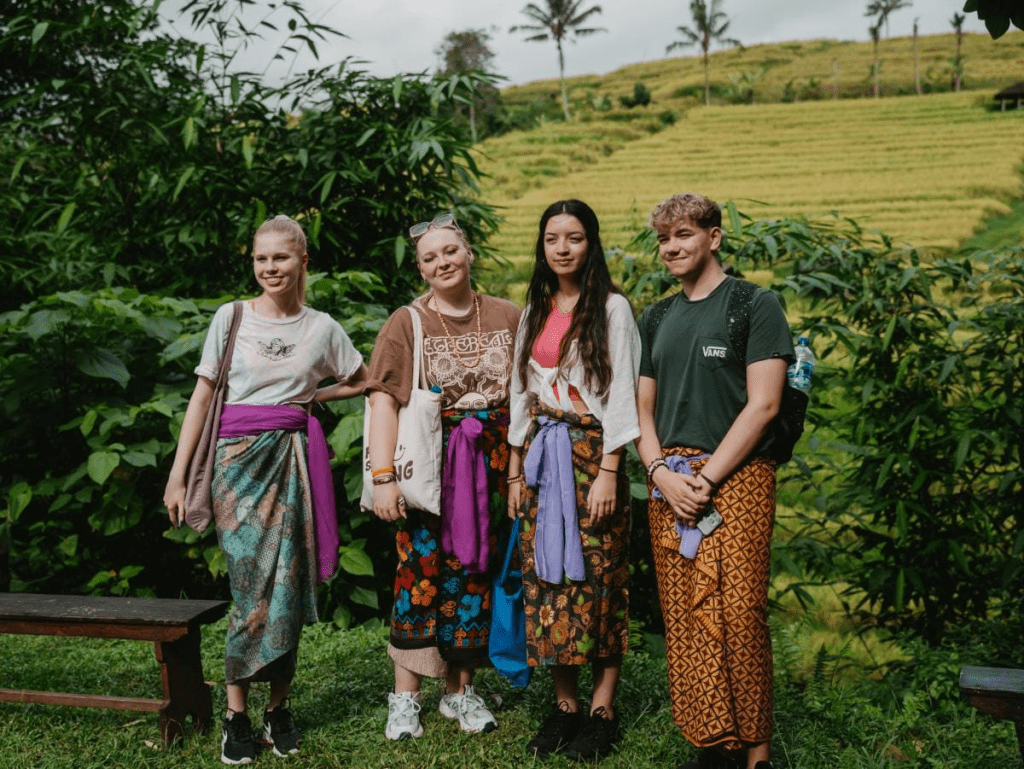
- Cultural literacy: Understanding ritual, symbolism, and artistic production as systems of meaning.
- Sustainability competence: Analyzing how traditional ecological knowledge supports modern environmental management.
- Personal development: Strengthening communication, adaptability, and reflective practice through direct engagement.
- Community empathy: Appreciating the role of mutual respect and shared benefit in cross-cultural collaboration.
Through hands-on experiences in culture, sustainability, and personal development, students gain not just knowledge but also competencies that they can carry with them into their future studies and careers. Ubud’s experiential education programs offer lessons that go beyond the classroom, impacting students’ personal and professional growth.
2.3. Sample Week in Ubud
To give you a sense of how these immersive programs come together, here’s a sample itinerary of what a week in Ubud looks like for students. It balances cultural immersion, environmental studies, personal development, and community engagement, ensuring a holistic educational experience.
Day 1 – Orientation
- Arrival and welcome at the accommodation in Ubud
- Cultural briefing on Balinese customs and temple etiquette
- Evening blessing ceremony at a local temple to begin the journey mindfully
Day 2 – Culture
- Morning Balinese dance and gamelan workshops led by local artists
- Afternoon visit to an artisan village to learn woodcarving and silverwork techniques
- Evening reflection session on cultural symbolism and personal impressions
Day 3 – Environment
- Guided field study through subak rice terraces with community farmers
- Group discussion on water governance and sustainability mapping
- Review of how traditional ecological knowledge supports modern environmental practices
Day 4 – Regeneration
- Visit to a local eco-school or permaculture farm
- Hands-on participation in bamboo building or composting workshops
- Group debrief on regenerative design and innovation in rural Bali
Day 5 – Community
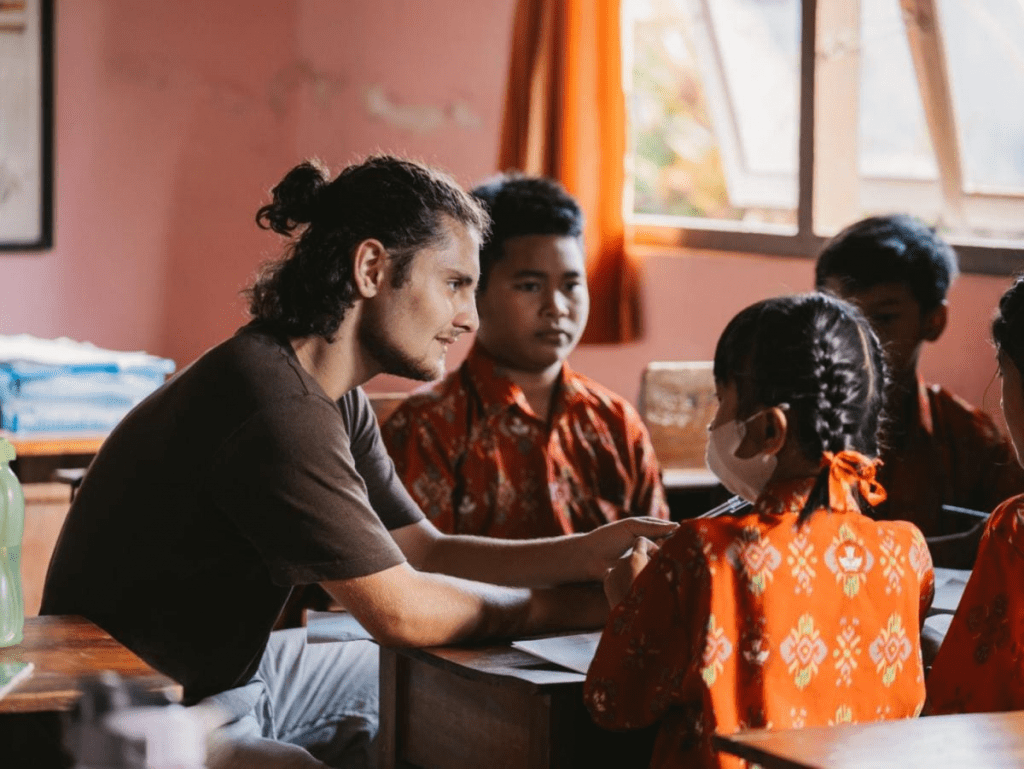
- Volunteer collaboration with a local NGO or village school
- Support classroom activities, arts, or light community maintenance
- End the day with dinner and storytelling at a traditional Balinese family home
Day 6 – Reflection
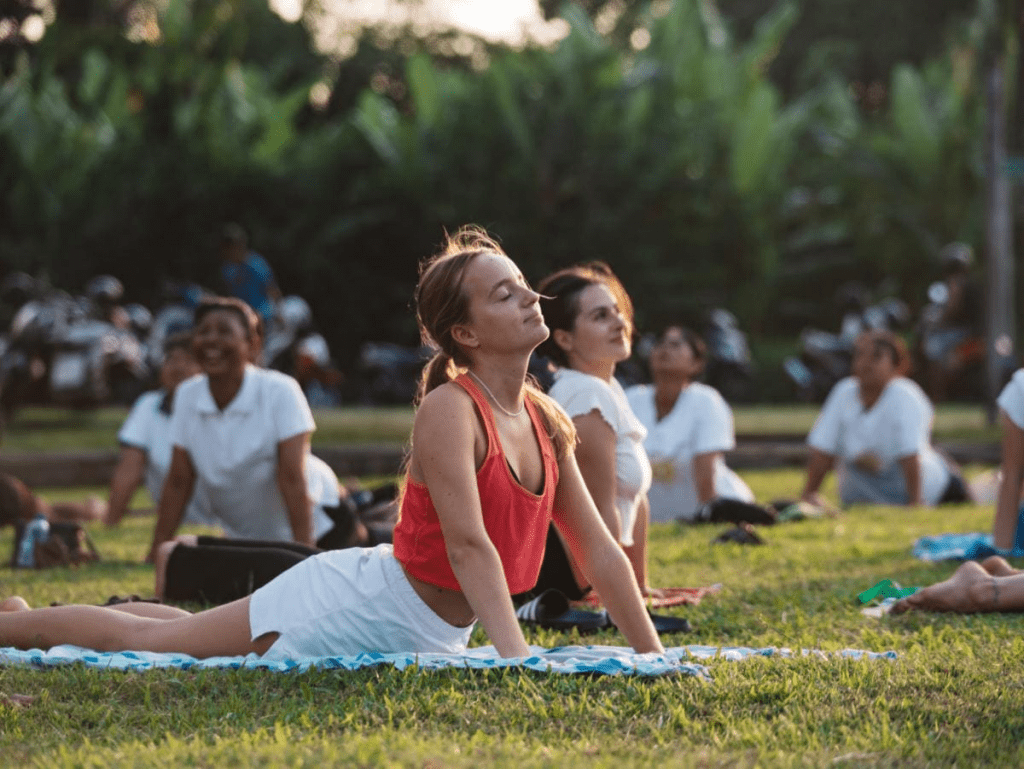
- Morning yoga and mindfulness session to process learning experiences
- Student project presentations and creative showcases
- Cultural celebration with local partners and certificates of participation
Day 7 – Departure
- Final reflection circle
- Farewell to hosts and partners, departure with a deeper understanding of culture, environment, and self
This structure combines academic purpose with experiential depth — encouraging students to connect ideas, actions, and emotions through direct participation.
3. Building Impact Through Local Collaboration
At the heart of Mango Tiger’s educational programs is the commitment to genuine, impactful collaboration with local communities. We believe that education should benefit everyone involved, from students to local partners and the communities we work with, creating a meaningful exchange that goes beyond mere tourism.
3.1. Community Partnerships and Service Learning
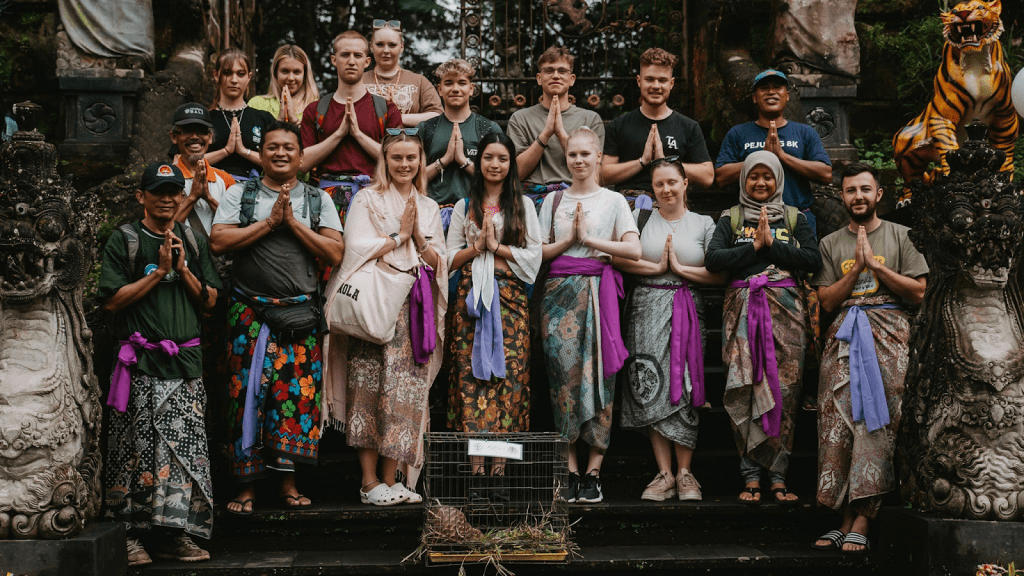
Mango Tiger’s educational programs are built on genuine partnerships with local communities, ensuring that every activity contributes to mutual benefit. Students don’t “volunteer” as outsiders; they collaborate as learners working alongside locals.
- Village-based initiatives: Programs often include teaching assistance, creative workshops, or infrastructure support designed and managed by the community itself.
- Empowerment through participation: Rather than charity, the focus is exchange — students learn from local knowledge systems while contributing effort and resources responsibly.
- Cultural respect and continuity: Activities are vetted through community leaders and local NGOs to maintain sensitivity and long-term impact.
3.2. Environmental Initiatives and Carbon-Neutral Travel
Mango Tiger integrates sustainability into every journey, not as an add-on but as a guiding principle.
- Carbon-neutral programs: Through partnerships with verified offset providers, we measure and balance emissions from transport and accommodation.
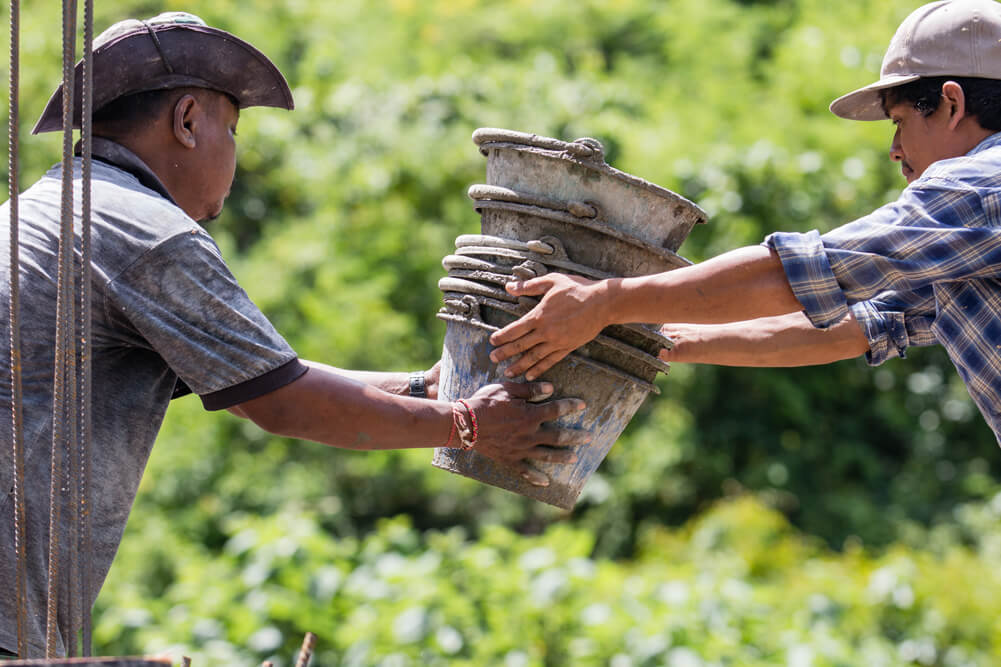
- Plastic reduction commitment: In collaboration with TonToTon, our regional initiative supports the collection and recycling of single-use plastics, converting waste into building materials for schools and community projects.
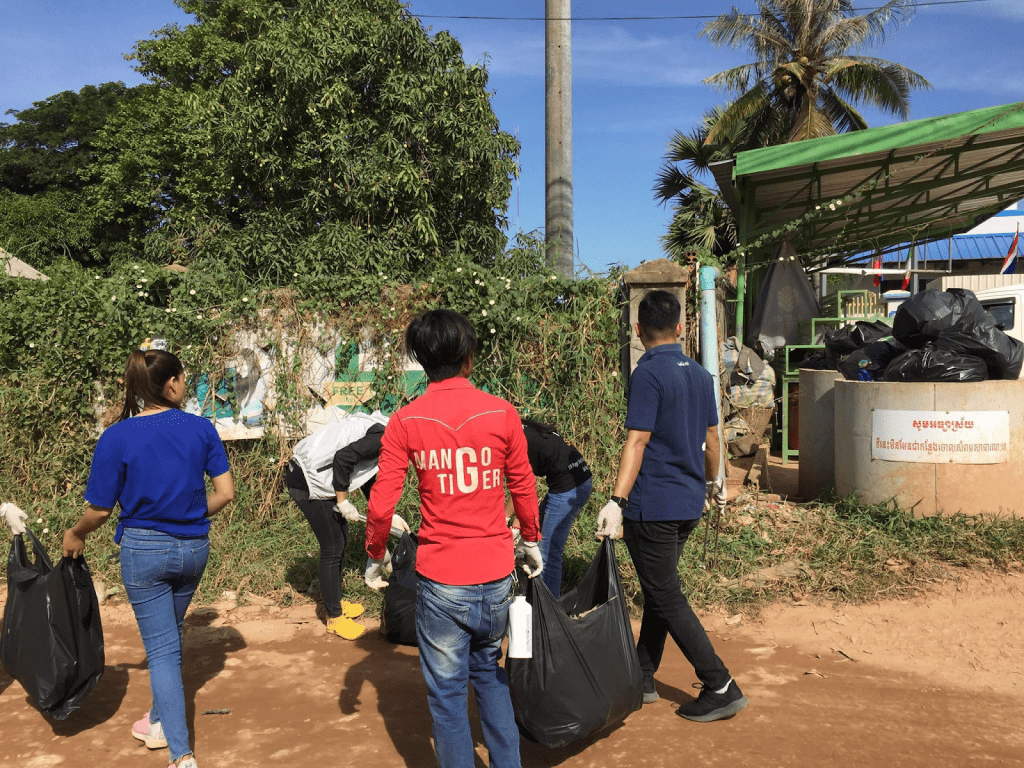
- Hands-on ecology: Students take part in waste audits, eco-brick making, or tree-planting activities – tangible ways to understand environmental accountability.
These actions reflect a philosophy shared by our local partners: to leave every place better than we found it.
4. About Mango Tiger DMC
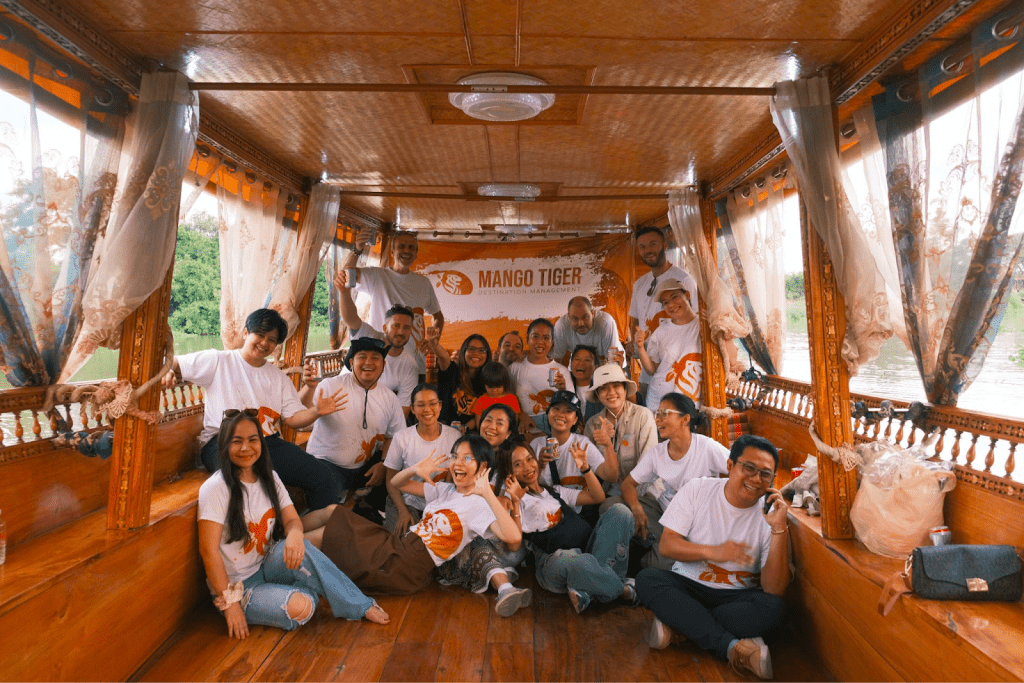
Mango Tiger DMC is an Asia-based Destination Management Company specializing in meaningful, experience-driven travel across Southeast Asia. Operating in Indonesia, Vietnam, Cambodia, Laos, Thailand, and the Philippines, our teams combine international expertise with deep local roots to create journeys that educate, inspire, and empower.
4.1. Our role in experiential education
For over a decade, Mango Tiger has worked with schools, universities, and youth organizations to design educational journeys that balance learning outcomes with safety, sustainability, and authenticity. From cultural fieldwork to impact-driven volunteering, our programs nurture critical thinking, empathy, and global awareness.
- Products with Purpose: Every tour is designed to benefit the destination – prioritizing local suppliers, responsible travel standards, and community uplift.
- Expert logistics: Our teams handle risk assessments, academic coordination, and 24/7 support, ensuring educators can focus on pedagogy, not paperwork.
- Sustainable operations: From carbon-neutral transport to eco-certified accommodations, we align with global sustainability frameworks.
- Local empowerment: Most of our guides and coordinators are from the very communities our travelers visit, giving every journey authentic insight and lasting connections.
In Ubud, Mango Tiger’s in-country specialists curate seamless educational itineraries that transform Bali’s culture and ecology into immersive learning experiences.
4.2. Our Regional Expertise and Partnerships
Mango Tiger’s strength lies in its regional presence and deep local relationships across Asia. With hubs and partner offices throughout the region, the company delivers consistent quality, creative design, and operational excellence.
- Pan-Asian Network: Mango Tiger operates across six Southeast Asian countries, offering cross-border itineraries that integrate culture, nature, and social impact.
- Trusted Partnerships: The company collaborates with TonToTon on plastic-impact reduction, Planeterra Foundation on community development, and multiple NGO partners supporting youth education and conservation.
- MICE & Educational Integration: Beyond leisure and student travel, Mango Tiger designs MICE programs with purpose, combining professional learning, cultural exchange, and sustainability.
- Destination Innovation: From luxury retreats in Vietnam to community-based eco-projects in Indonesia, Mango Tiger consistently pilots new experiences that balance creativity and conscience.
- Team of Changemakers: The Mango Tiger collective includes educators, sustainability specialists, local guides, and designers who share a common vision to reshape how travel impacts the world.
By leveraging this network of partners and local expertise, Mango Tiger ensures that every experience, whether a student field course or a regional exchange, is delivered with consistency, care, and measurable impact.
5. The Mango Tiger Way
What truly defines Mango Tiger is not just what we do, but how we do it. Our “Product with Purpose” philosophy ensures every experience contributes meaningfully to people and place – merging education, sustainability, and humanity into one cohesive journey.
5.1. Products with Purpose
Every Mango Tiger program is built on the belief that travel should give back as much as it takes. Our partnerships and projects in Bali embody this balance, offering students and travelers the chance to engage with local communities in ways that are authentic, respectful, and deeply rewarding.
- Yayasan Widya Guna Volunteering: Established in 2006 by Ketut Sadia and Gill Rijnenberg, Yayasan Widya Guna is a community foundation supporting Balinese children facing social and physical challenges. The center provides education, housing, and daily meals for orphans, disabled youth, and underprivileged students. Mango Tiger partners with the foundation to facilitate structured volunteering programs where students assist in classroom activities, engage in creative arts, and help maintain the learning facilities. The focus is not charity but empowerment – fostering independence and responsibility while exchanging cultures through shared learning.
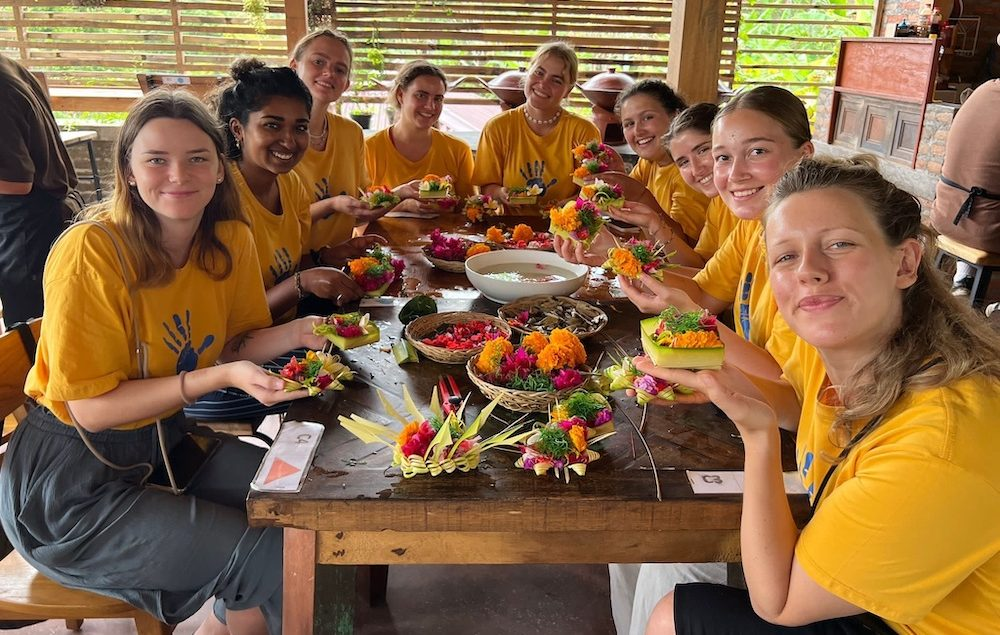
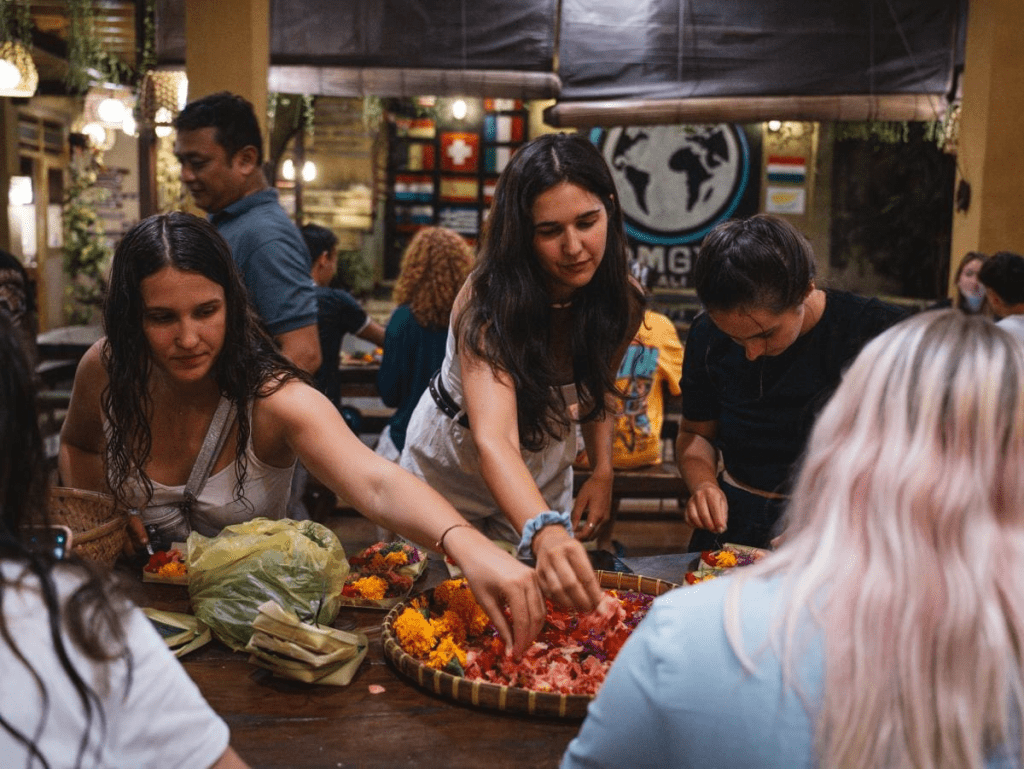
- Dinner at a Traditional Balinese House: Education also happens around the dinner table. Our programs often include an afternoon visit to a traditional Balinese family compound, where students join in preparing daily offerings and cooking authentic dishes. Participants learn about household temple layouts, family rituals, and the community spirit embedded in Balinese life. It’s unpredictable: There might be children playing, elders weaving, or even a local ceremony underway, but that’s exactly what makes it real. The evening concludes with a shared meal under the glow of oil lamps, leaving guests with a genuine sense of connection and gratitude.
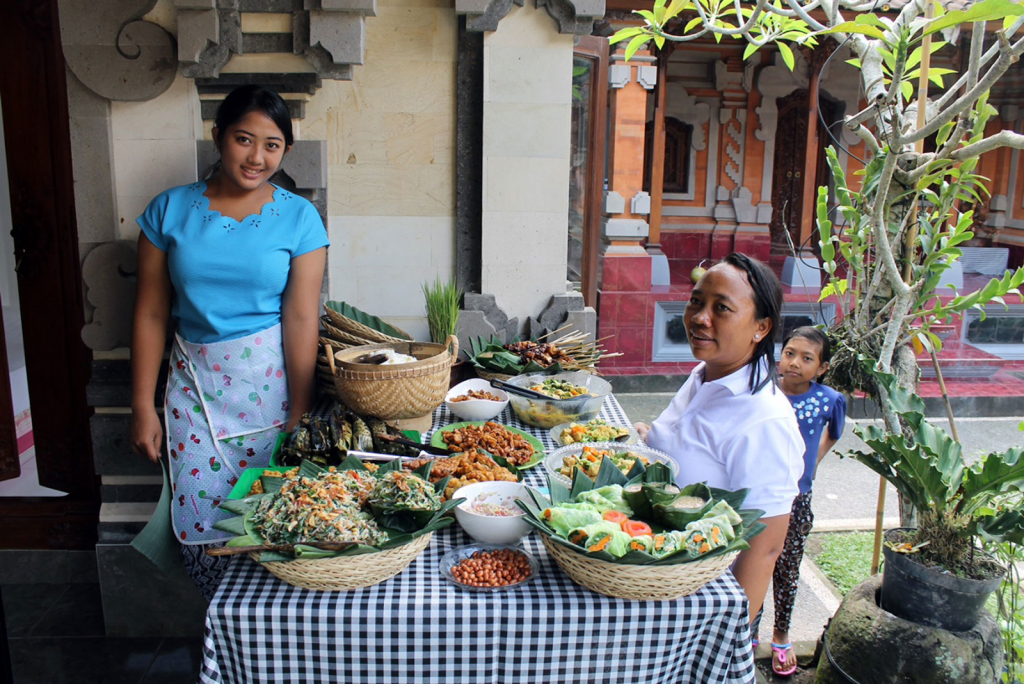
Through experiences like these, learning takes on a new form: One that is built on empathy, shared stories, and real human connection. Each partnership tells a story of trust and collaboration, showing that meaningful travel is not about observation but participation.
5.2. People with Purpose
Behind every Mango Tiger experience are the people who bring it to life. Our team members and partners are the heart of what we do – individuals whose stories, skills, and spirit transform educational travel into something unforgettable.
- Meet Jamz, the Tour Guide: Jamz joined Mango Tiger’s Bali team three years ago and has grown from a novice into one of our most capable experiential tour leaders. Through training and mentoring, he now guides educational groups with confidence and cultural sensitivity, sharing insights that only someone raised in the area could offer. Jamz represents our belief that investing in local talent is the surest path to authentic experiences.
- Meet Nyoman Sri, the Project Founder: Over years of supporting the Yayasan Widya Guna project, Mango Tiger has built close relationships with its founders, including Nyoman Sri, whose dedication continues to inspire our teams and students alike. Collaborations like this reflect what “learning from the land” truly means – connecting people, purpose, and place in ways that endure long after the journey ends.
The Mango Tiger Way is more than an operational philosophy; it’s the heartbeat of everything we do. Our programs are shaped by real people on the ground, local partnerships that matter, and a deep respect for the communities we serve. This connection gives every Mango Tiger journey its distinctive character: Authentic, responsible, and transformative.
Ready to begin your journey?
When you travel with Mango Tiger, you don’t just visit Bali — you become part of its living story. Whether guiding students through rice terraces, sharing meals in family homes, or volunteering with inspiring local projects, every experience becomes a lesson in empathy, awareness, and purpose.
Let’s design your next educational adventure together, one that teaches not only about the world, but also how to care for it. Contact Mango Tiger DMC today to start building your experiential education program in Ubud’s cultural heart.
