

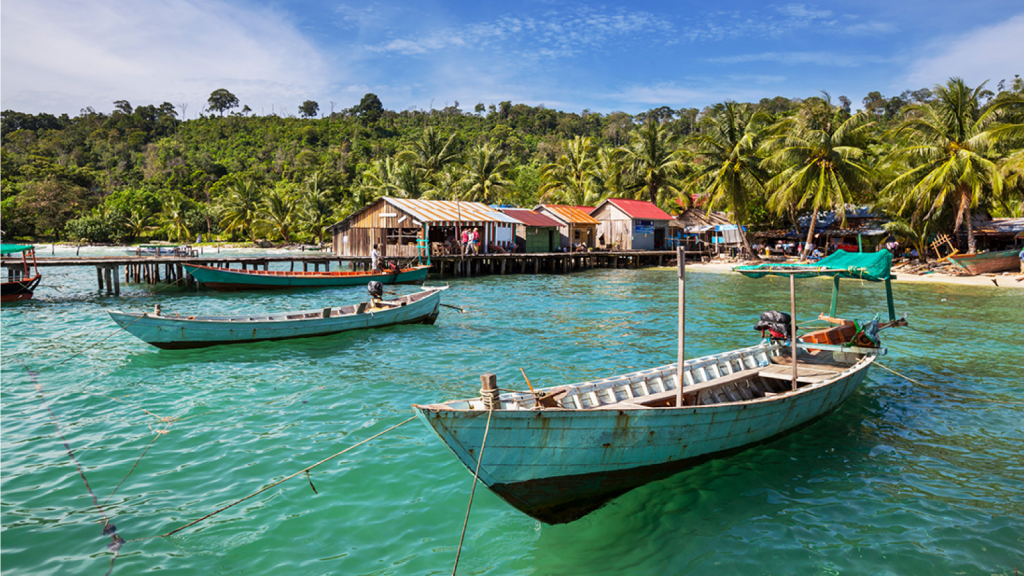
There’s a particular quiet that settles over Kep in the late afternoon, as crab boats nose back toward the pier and the tide pulls out. Once the seaside playground of Cambodia’s colonial-era elite, Kep has quietly reinvented itself – not as a resort chasing crowds, but somewhere you stumble into and don’t want to leave. Fresh crab from the Gulf of Thailand, salt-bleached villas swallowed by jungle vines, and a short drive to the pepper farms of Kampot make this coastline a natural fit for travelers who’d rather wander than follow a script.
1. A Coastal Town Shaped by Two Eras
Kep doesn’t announce its history – you find it tucked behind vines and half-collapsed staircases. Its character comes from a collision of glamour and abandonment: a beach resort turned ghost town, now rediscovered by quieter travelers.
1.1 The Colonial Playground of Kep-sur-Mer
Long before backpackers found it, Kep was already a getaway – just for a different crowd. Knowing who built this town makes the ruins ahead feel far less random.
- A resort built for Cambodia’s elite: Founded in 1908 as “Kep-sur-Mer,” the town became a retreat for wealthy Cambodians and French officials, who lined its shore with villas, per Wikipedia’s history of Kep.
- A golden age of Khmer modernism: By the 1960s, under King Norodom Sihanouk, Kep became a showcase for New Khmer Architecture – angular villas writers still study today, per Failed Architecture’s feature.
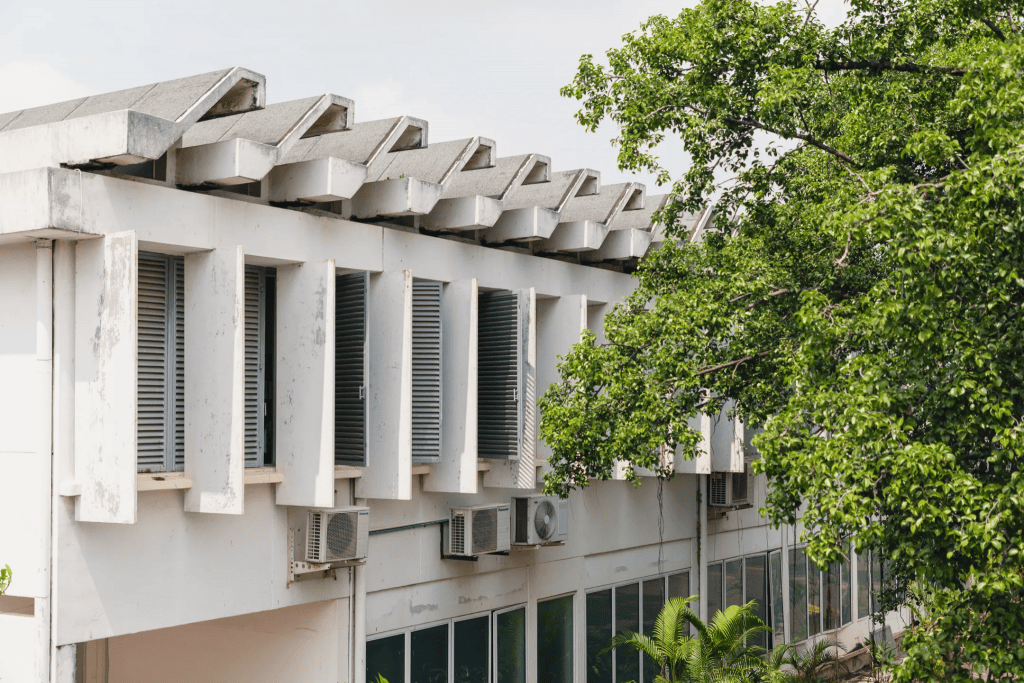
- Abandonment under the Khmer Rouge: The town emptied almost overnight during the Khmer Rouge period, leaving dozens of villas to decay for decades, per Kathmandu & Beyond’s guide to Kep’s abandoned villas.
1.2 Wandering the Ghost Villas Today
You don’t need a ticket or a plan to explore old Kep-sur-Mer – just a bicycle and a free morning. Here’s how travelers spend that time.
- A living open-air museum: Many structures still stand, vine-choked and roofless, free to explore on foot or by rented bicycle, per Bamboo Travel’s guide to Kep and Kampot.
- Boutique revival amid the ruins: A handful of villas have been restored into small hotels – Knai Bang Chatt among the most celebrated, a stay our Kep-based partners recommend more than any other in town.
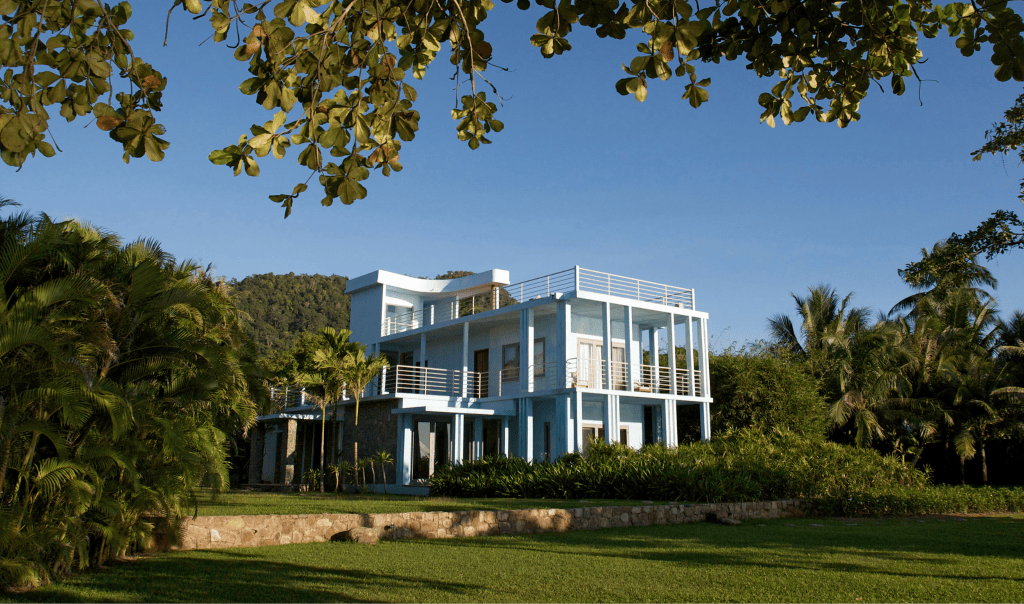
- Why it resonates with FIT travelers: With no fixed route or opening hours, wandering the villa district rewards exactly the unhurried curiosity that makes for a good travel day – the same spirit behind Mango Tiger’s FIT and independent travel programs.
Kep’s layered past – glamour, abandonment, quiet revival – gives independent travelers a rare, unscripted history lesson hiding in plain sight.
2. Nature on a Human Scale: Kep National Park and the Coastline
Unlike Cambodia’s sprawling northern parks, Kep’s nature is compact and walkable – ideal for a couple, a solo traveler, or anyone with a free afternoon.
2.1 Kep National Park’s Coastal Loop
You could see the whole park before lunch. That’s the charm – no permits, no logistics, just a trail and a few hours of forest and sea air.
- Cambodia’s smallest national park: Covering roughly 8 square kilometers, Kep National Park is compact enough to circuit in half a day, per the Global Alliance of National Parks’ page.
- A well-marked 8km loop trail: The main circuit climbs through dry forest with intermittent sea views, taking most walkers 2-3 hours, per Southeast Asia Backpacker’s park guide.
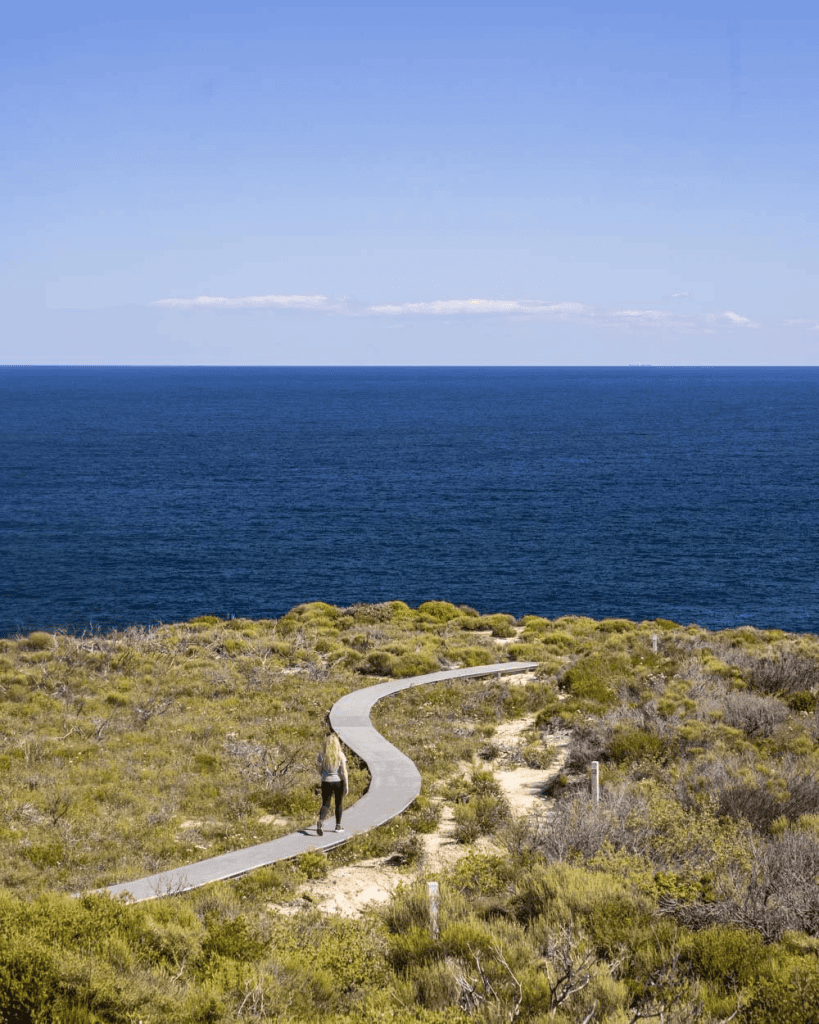
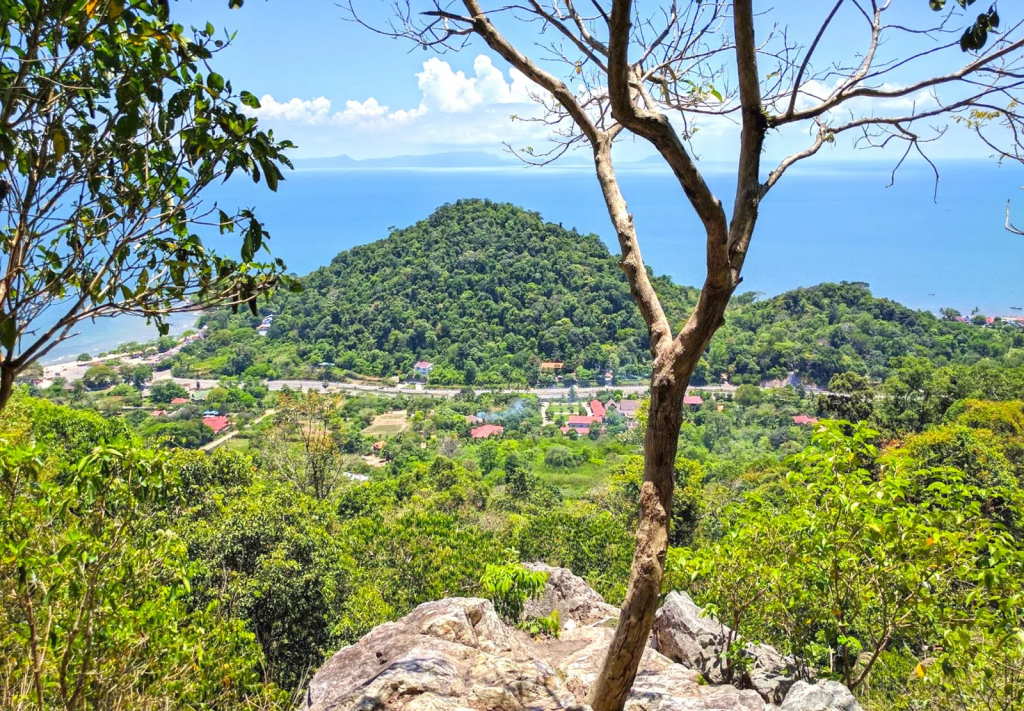
- Sunset Rock and viewpoints: Lookouts along the trail – most famously Sunset Rock – open onto panoramas of the Gulf of Thailand toward Vietnam’s Phu Quoc island, per Khiri Travel’s overview of the park.
2.2 The Kep Waterfront and Sailing Club Scene
Kep’s seafront isn’t built for spectacle – it’s built for slow mornings. Here’s what that looks like on the ground.
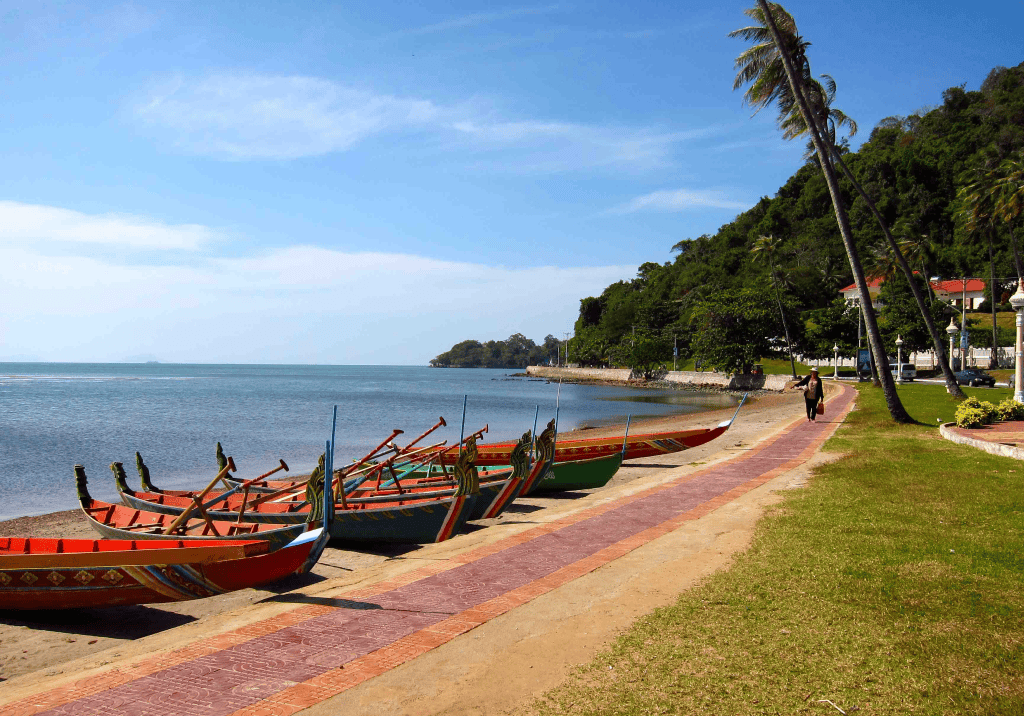
- A promenade built for slow mornings: Kep’s seafront promenade, anchored by the town’s giant crab statue roundabout, is where locals and travelers take early walks before the heat sets in.
- Boutique waterfront stays: Independent-minded travelers favor small guesthouses over large resorts, keeping the town’s low-key character intact.
- A gateway, not a destination in itself: Kep works best as a base for day trips – to the park, the islands, or inland to Kampot – a rhythm that suits travelers piecing together their own route.
Compact, walkable, and view-rich, Kep National Park proves that Cambodia’s coast doesn’t need to be big to be memorable.
3. The Crab Market: Kep’s Culinary Centerpiece
No visit to Kep is complete without its most famous export – blue swimmer crabs, sold fresh and cooked with the region’s other great product, Kampot pepper.
3.1 Psar Kdam, the Crab Market
There’s a rhythm to Psar Kdam that hasn’t changed in a century – nets out at dawn, crabs back by midday. By lunchtime, the stalls have turned the catch straight into your plate.
- A century of fishing tradition: The wooden stilt market known as Psar Kdam has anchored Kep’s economy for generations, with families still hauling in the catch by hand-net, per Cambodge Mag’s history of the market.
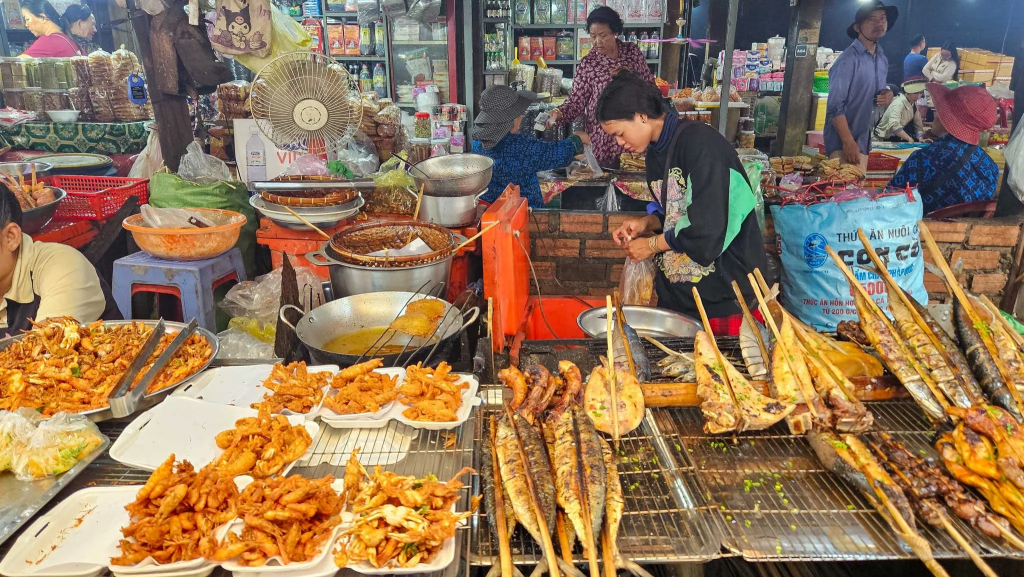
- Buy straight from the source: Travelers watch crabs pulled live from bamboo traps meters from where they’re cooked, then dine at stalls facing the water, per The Roaming Fork’s eating guide.
- Best visited at midday or golden hour: Locals recommend timing a visit around lunch or just before sunset, per Traveling German’s write-up.
3.2 Kampot Pepper Crab: The Dish Kep Is Famous For
One dish explains most of Kep’s reputation. It’s worth knowing what makes it special before you order it for the first time.
- A globally recognized pairing: Kampot pepper crab – blue crab stir-fried with green peppercorns on the stem – is one of Cambodia’s most cited dishes, per Wikipedia’s entry.
- Why the pepper matters: The peppercorns are harvested unripe, giving the dish a citrusy heat that dried pepper can’t replicate, per Bacon Is Magic’s feature on traditional Kep food.
- Beyond crab – a wider seafood trail: Squid, shrimp paste, and grilled fish round out the market’s offerings, per TopOfHotel’s Kep food guide.
Kep’s crab market isn’t a tourist performance – it’s a working fishery that happens to produce one of Southeast Asia’s best plates of food.
4. Island Time: Koh Tonsay and the Waters Off Kep
For travelers craving a beach day without Sihanoukville’s development, the boat ride to Koh Tonsay (Rabbit Island) is Kep’s essential escape.
4.1 Getting to Koh Tonsay
Getting there is refreshingly low-friction. No advance booking required – just a boatman at the pier and a short ride across calm water.
- A short, scenic crossing: Boats depart from Kep’s pier for a 30-45 minutes ride to Koh Tonsay, usually arranged informally at the dock, per Lonely Planet’s guide to the island.
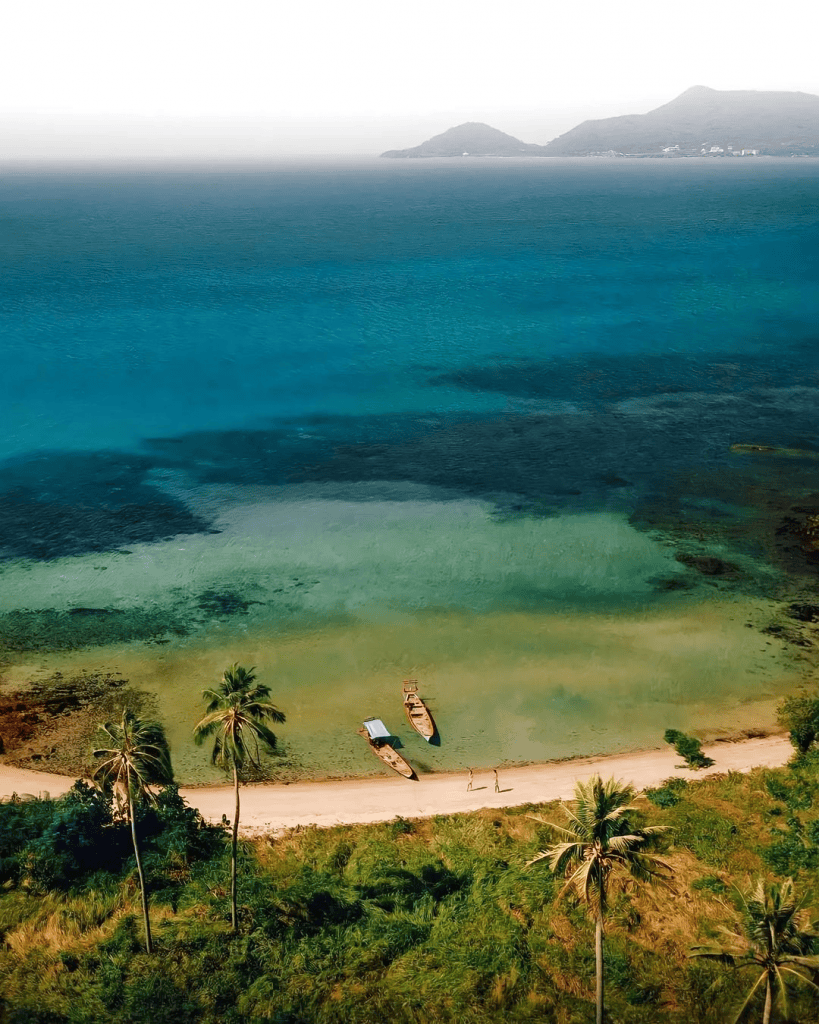
- Undeveloped, deliberately: With no paved roads and only simple bungalows, Koh Tonsay keeps a castaway feel increasingly rare on this coast, per Southeast Asia Backpacker’s guide.
- Best for an overnight, not just a day trip: Staying a night lets travelers catch the island once the day-boats leave – a stargazing evening several guides single out, including BestPrice Travel’s Rabbit Island guide.
4.2 What to Do Once You’re There
Once the day-trippers clear out, Koh Tonsay settles into castaway silence. There isn’t much of an activity list here, and that’s the point.
- Circling the island on foot: A rough coastal path lets travelers walk most of Koh Tonsay’s perimeter in three to four hours, passing small, mostly empty beaches.
- Swimming and simple beach time: The main beach’s calm, shallow water suits casual swimming rather than snorkeling – a genuinely restful stop.
- Pairing with Kep’s other sights: Because boats run on demand, Koh Tonsay folds naturally into a day that also covers the crab market and national park – the rhythm our Cambodia team builds into most independent itineraries.
A short boat ride from Kep’s pier delivers exactly the kind of unpolished island escape independent travelers keep chasing.
5. Beyond Kep: The Easy Link to Kampot’s Countryside
Kep’s greatest advantage as a base is its proximity to Kampot – roughly 25 kilometers, a 30-40 minute drive. Together the two towns form one of Cambodia’s most complete short itineraries.
5.1 Kampot Town and the Kampot River
Trade the sea breeze for a slow-moving river and you’re in Kampot. It carries its own colonial hangover, and a very different evening rhythm than Kep’s.
- A riverside town with its own colonial charm: Kampot’s shophouse-lined streets and slow-moving river complement Kep’s beach pace, with sunset boat cruises a signature activity.
- Pub Street after dark: Once the sun sets, Pub Street fills with night markets, riverside bars, and restaurants – livelier than Kep’s quiet evenings, an easy walk from The Square Kampot Hotel.
- A base with real comfort: The Square Kampot pairs a sky bar, steam sauna, and gym with mountain- or city-view rooms, a comfortable anchor for splitting time between Kep and Kampot.
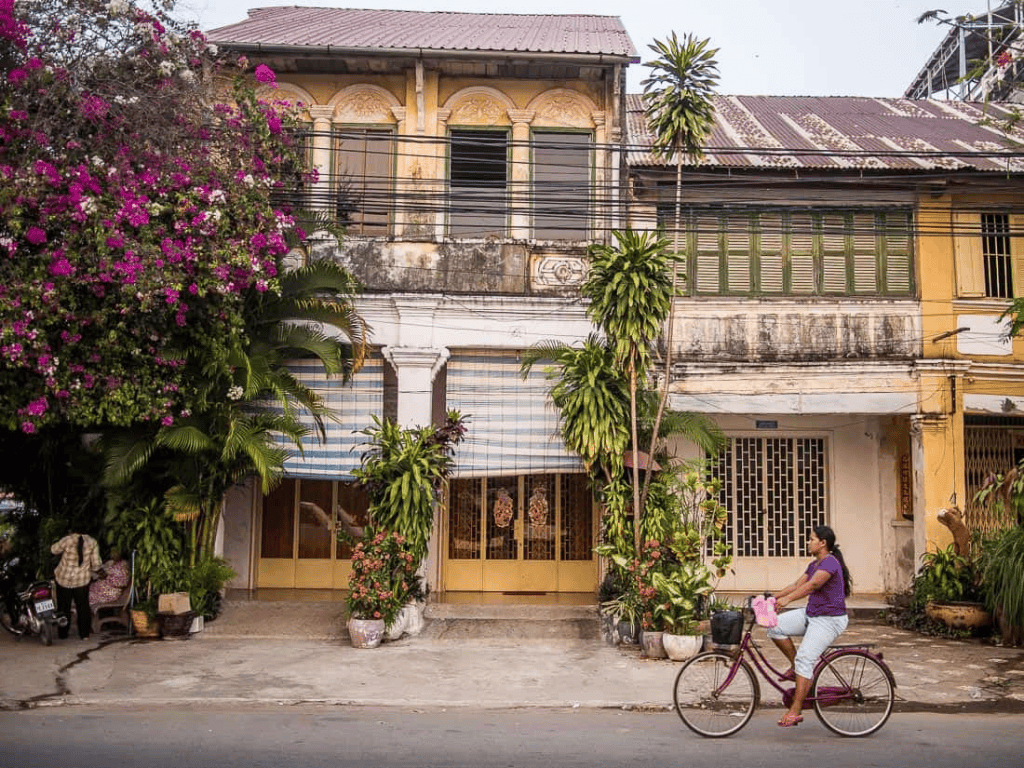
5.2 Kampot’s Pepper Farms and Bokor National Park
The hills above Kampot hold two stories – pepper vines and geographical indications, and a French hill station swallowed by cloud. Both are worth the drive.
- A globally protected product: Kampot pepper was the first Asian product registered under the Lisbon Agreement’s Geneva Act, and holds EU Protected Geographical Indication status, per FAO’s case study and WIPO’s listing.
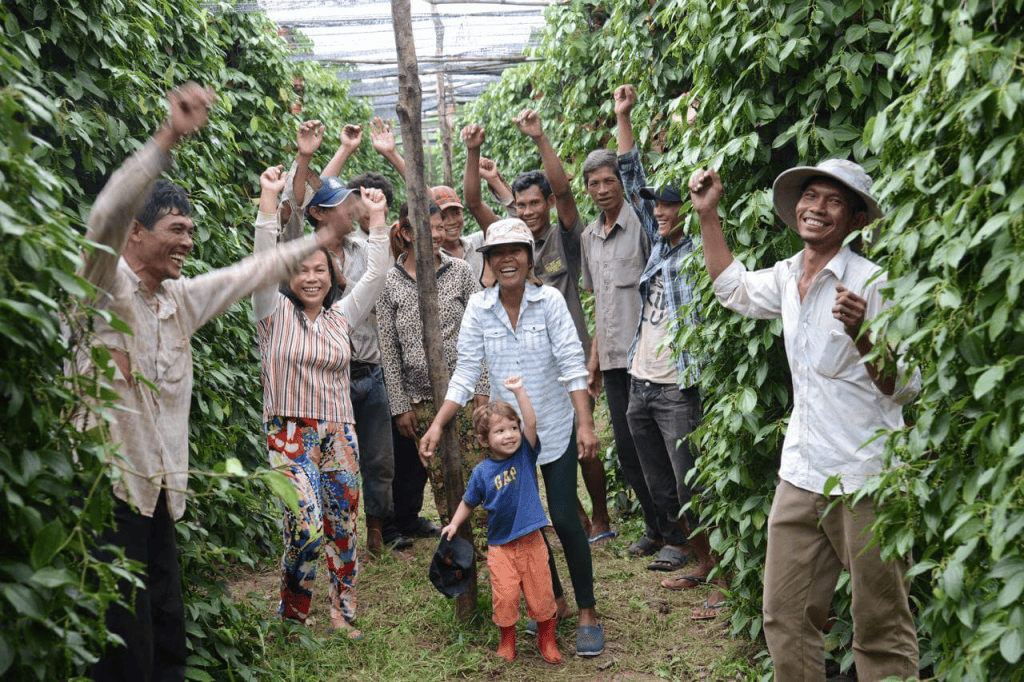
- Farm visits travelers actually enjoy: Family-run pepper farms welcome visitors for short tours and tastings comparing green, black, red, and white peppercorns from the same vine.
- Misty ruins at Bokor Hill Station: A winding road climbs into Bokor National Park to an abandoned French hill station, complete with a crumbling church and casino wrapped in cloud, per Wikipedia’s entry.
5.3 Countryside Days Beyond the Farms
Kampot’s countryside doesn’t stop at the pepper farms. Push further and the landscape turns to jungle, waterfalls, and the odd night spent sleeping outdoors.
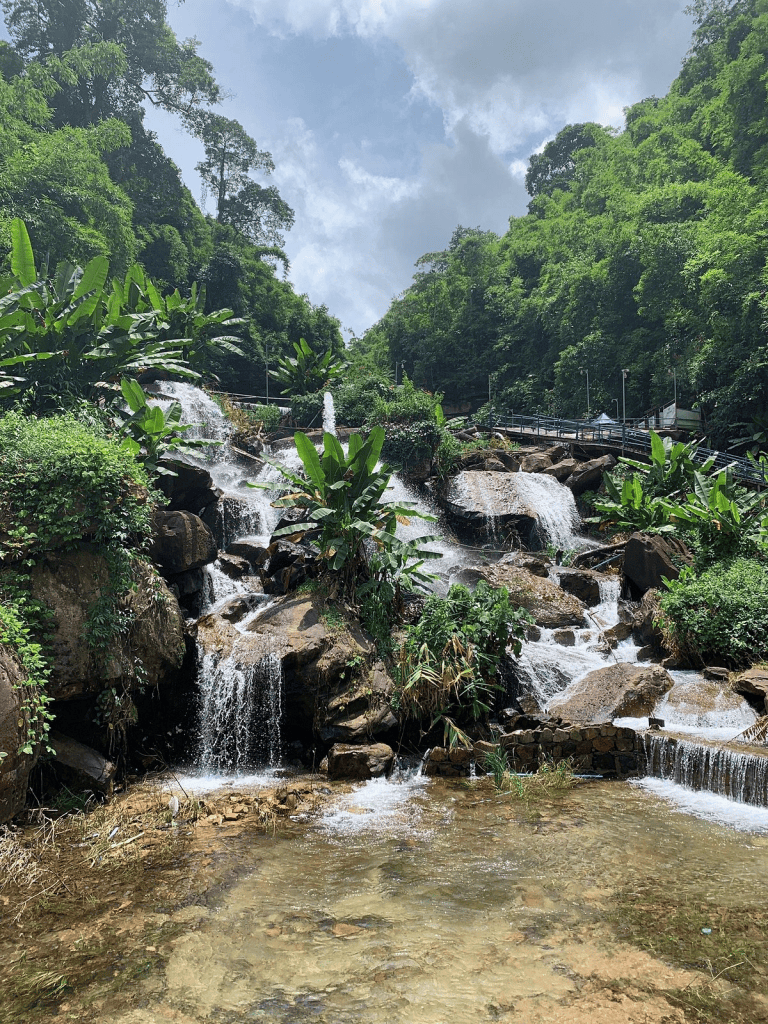
- Jungle mountains and waterfalls: From a Kampot base, guests reach jungle-mountain trails and waterfalls the same day they tour pepper farms.
- Camping in the forest: Further inland, Kulen Mountain Youth Camp offers forest camping with cafés and swimming – a rustic night outdoors.
- A complete, compact loop: Kep’s beach, Kampot’s river and pepper farms, and Bokor’s misty ruins form a tight three-to-four-day loop rarely found on group tours.
Kep is the beach chapter of a story that only finishes once you’ve followed the coast road inland to Kampot.
6. The Mango Tiger Way in Cambodia
None of this – the caretaker who knows which staircase still holds, the boatman who’ll wait for sunset – happens by accident. It’s the product of relationships built over years on the ground, the quiet thread running through everything Mango Tiger does in Cambodia.
6.1 People with Purpose
Cambodia’s south coast comes alive through the people who know it best. In Siem Reap, our network includes Nana, a tuk-tuk driver who takes genuine pride in showing visitors hidden corners and local cuisine; Mr. Try, guiding since 2002, who finds real joy in teaching travelers about Cambodia’s history; and Mr. Tong Key, a homestay host who has welcomed guests since 2009, feeding them his wife’s home-cooked Khmer dishes. These are the kinds of local connections we look for everywhere we operate – including along the Kep-Kampot coast. Meet the team via Mango Tiger’s team page.
6.2 Places with Purpose
We choose properties that put travelers inside a place’s story, not beside it. In the Kampot area, that means The Square Kampot Hotel – a sky-bar, sauna, and gym-equipped base with mountain and city views, walking distance from pepper-farm day trips – alongside countryside options like Kulen Mountain Youth Camp for a forest night under the stars. Explore more at Mango Tiger’s Cambodia destination page.
6.3 Products with Purpose
Every Mango Tiger itinerary is built around genuine, responsible impact. We partner with TonToTon on plastic-reduction initiatives, offer carbon-neutral tour solutions guided by our published impact goals, and prioritize local, family-run suppliers over large chains wherever possible. Community-benefiting homestays and volunteering programs, like the ones behind Mr. Tong Key’s guest rooms, are built into our Impact Experiences and responsible travel commitments.
About Mango Tiger
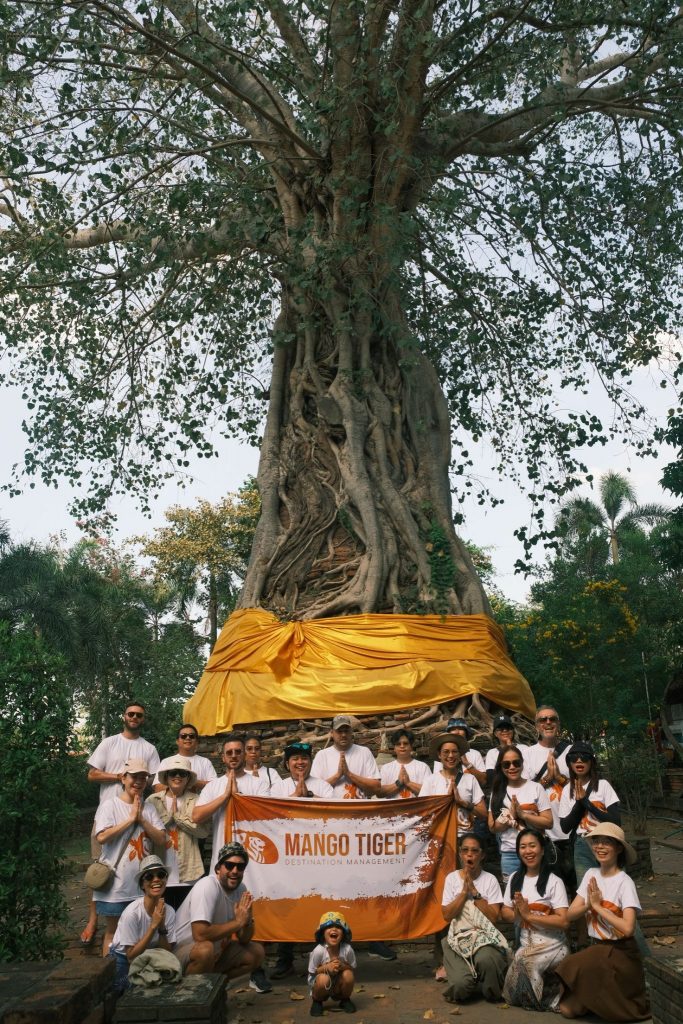
Mango Tiger is an Asia-based B2B Destination Management Company operating across Vietnam, Cambodia, Laos, Thailand, Indonesia (Bali), and the Philippines, built on three values: Fresh, Authentic, and Passionate. Led by CEO Jack Bartholomew, Managing Director Niel Fraser, and Cambodia Country Manager Linda Oum, the company designs journeys around real local knowledge, not templated routes.
For independent travelers, that means personalized itineraries, exclusive access beyond the tourist trail, a dedicated travel designer, 24/7 in-trip support, and an optional virtual tour guide via WhatsApp. Learn more at Mango Tiger’s about page.
Ready to trade the guidebook for a route built just for you? Reach out to our team to build a tailor-made Cambodia coast itinerary today at mangotiger.com/contact, or lock in your next departure directly at mangotiger.com/book-now.
