

From the tree-lined boulevards of Hanoi to the turquoise shores of Phu Quoc, Vietnam unfolds as a country best experienced not through rigid itineraries, but through journeys shaped around you. For discerning independent travelers, the real luxury lies in flexibility – where every stop, every experience, and every moment reflects personal interests and pace.
With the right local expertise – like the on-the-ground insight and flexible planning approach of Mango Tiger – a tailor-made journey becomes more than a trip; it unfolds as a seamless narrative across culture, cuisine, landscapes, and coastlines.
1. From Heritage Capital to Island Escape: Understanding the Route
Traveling from Hanoi to Phu Quoc isn’t just a route, it’s a shift in rhythm. You start in a city where everything feels layered and alive, then slowly move toward somewhere lighter, quieter, and more open. For independent travelers, this journey works best when you shape it around your own pace – knowing when to dive in, and when to step back.
1.1 Hanoi: Where Vietnam’s Identity Takes Shape
Hanoi can feel intense at first, but once you find your timing, it starts to make sense.
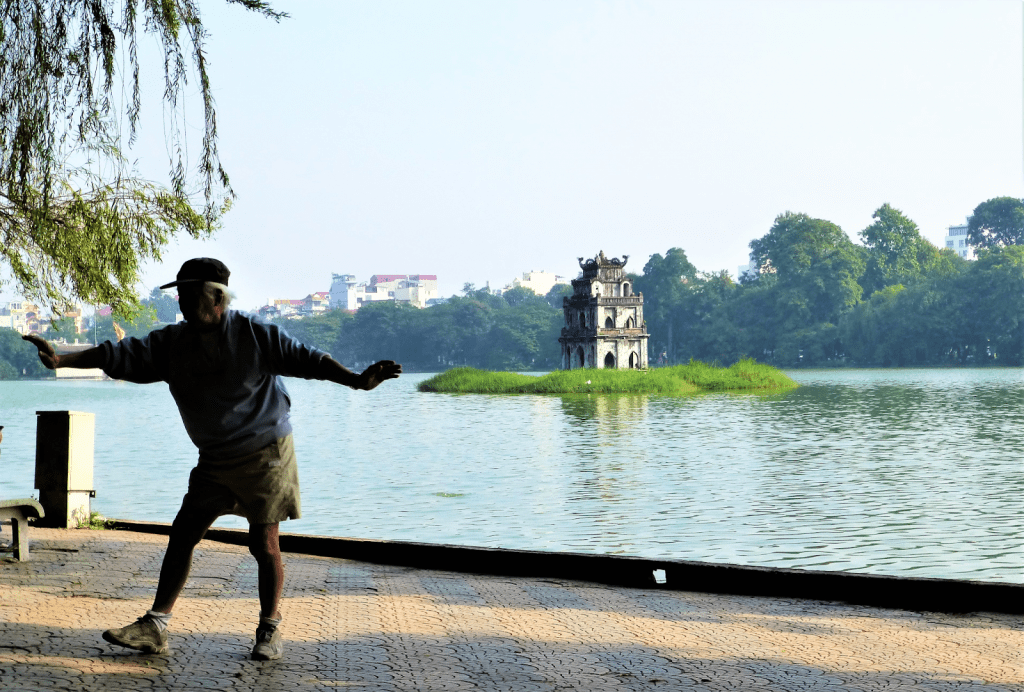
- Early mornings (around 5:30–7:30 AM) are the easiest way in. Around Hoan Kiem Lake, locals do Tai Chi, stretch, chat, and ease into the day: it’s calm, genuine, and surprisingly grounding.
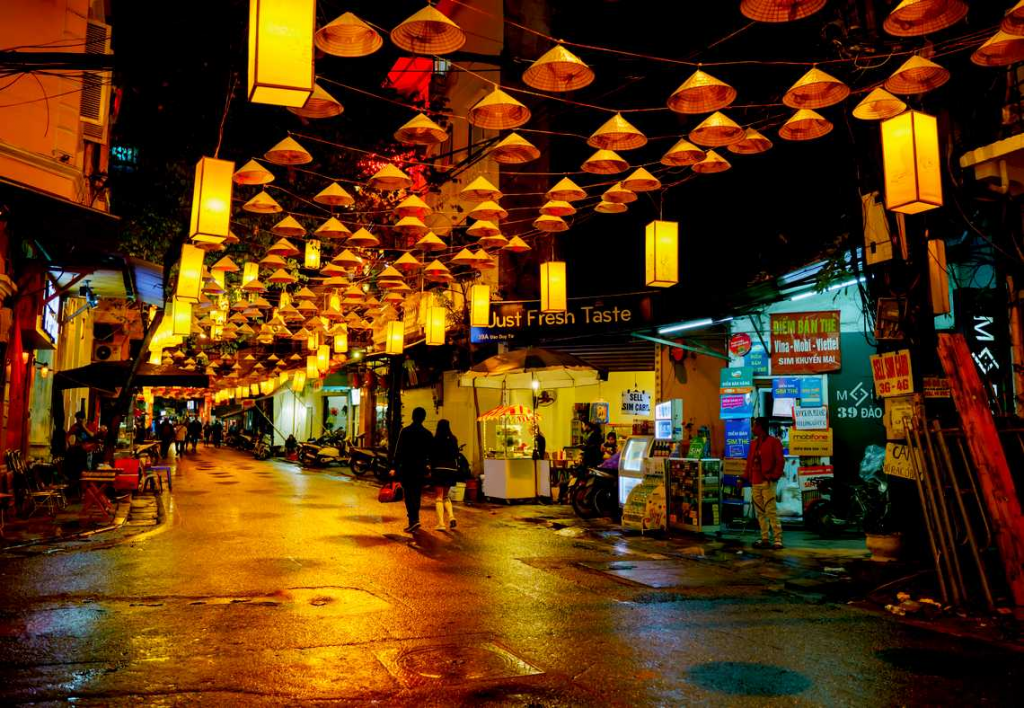
- Evenings in the Old Quarter are a different kind of energy—busy, but more atmospheric than overwhelming if you take it slow.
- The real charm often sits in the in-between spaces: narrow alleyways (ngõ), corner food stalls, small family-run spots that don’t try to impress, but do anyway.
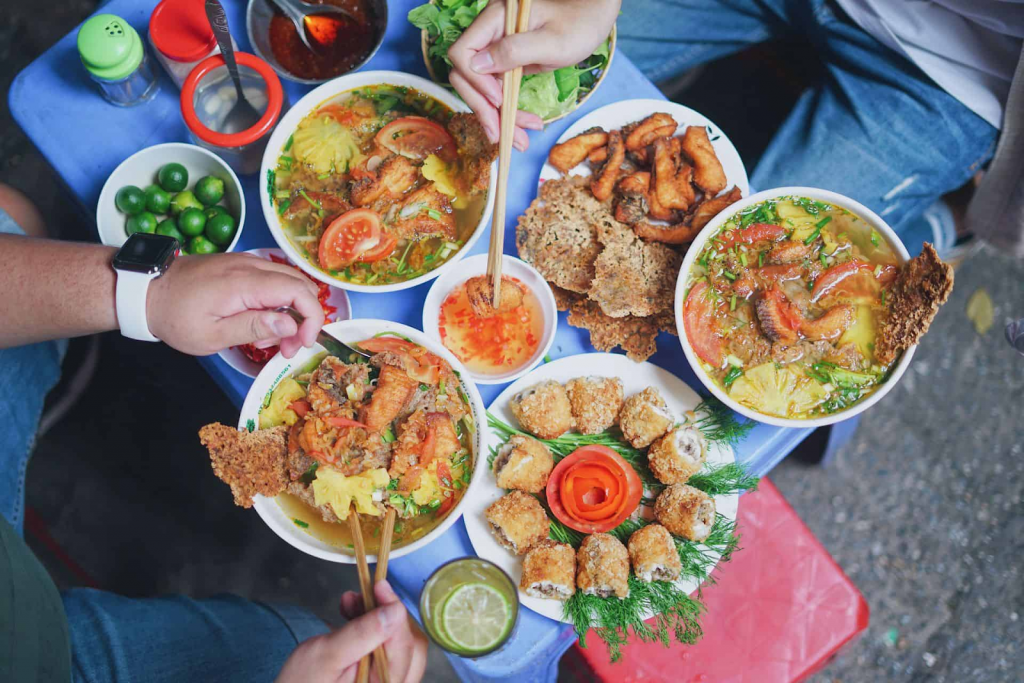
- Food is best approached casually: follow the crowds, try a few places, and don’t over-plan. Some of the best meals happen by accident.
Hanoi isn’t something you “see” in one go; it’s something you ease into, piece by piece.
1.2 Northern Landscapes & Cultural Continuity
Leaving the city behind, the journey opens up, and so does your headspace.
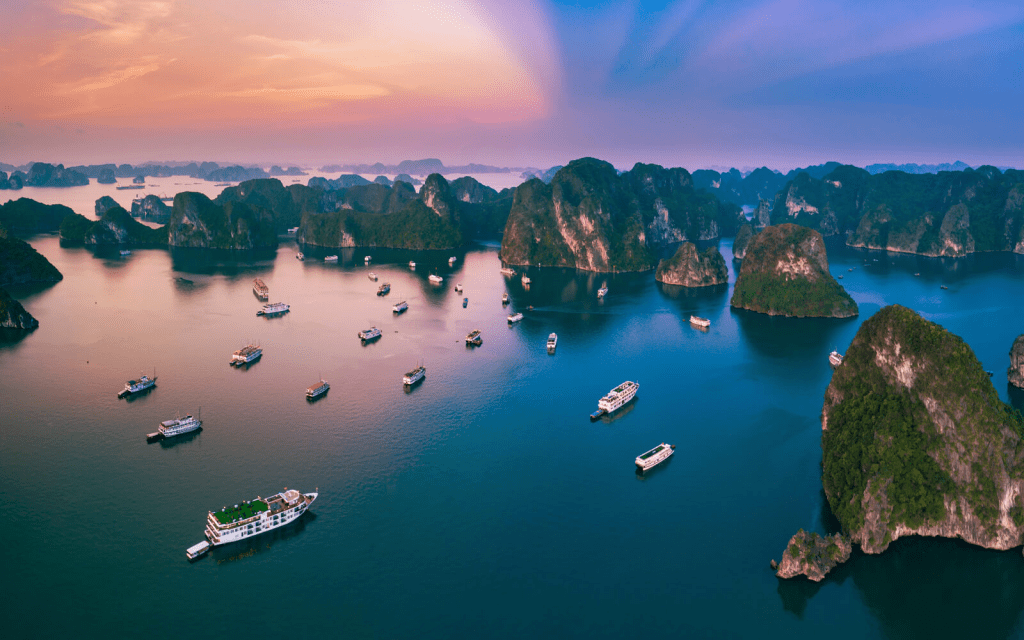
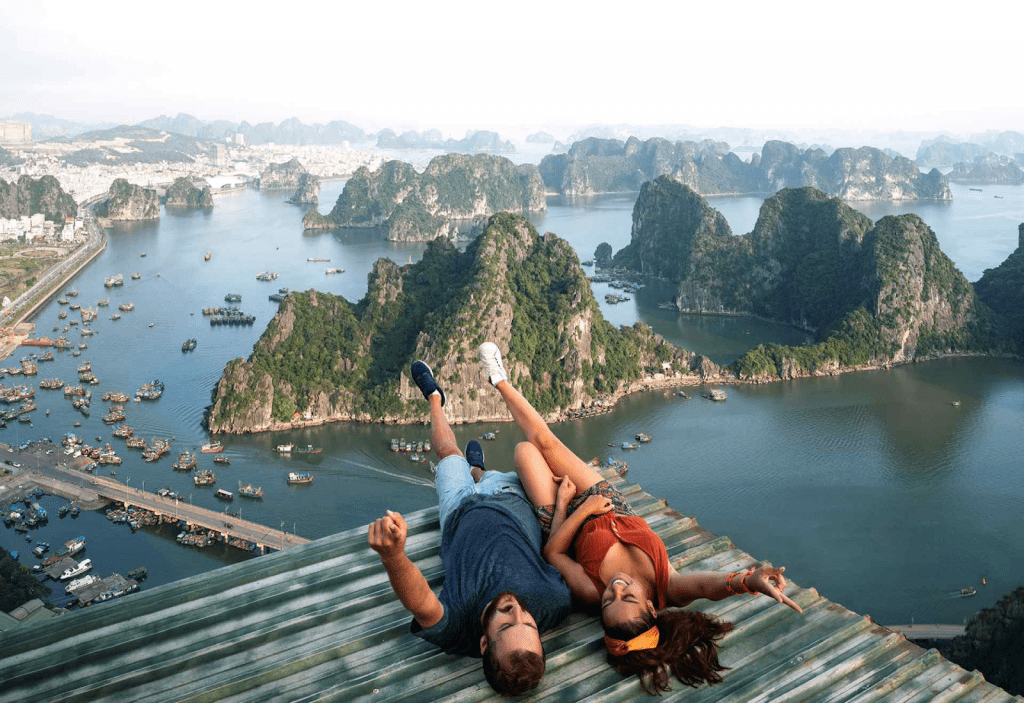
- In Ha Long or Lan Ha Bay, spending a night changes everything. The quieter hours, early morning or just before sunset, are when the landscape really lands.
- Activities don’t need to be complicated: a short kayak, a swim, or even just sitting on deck watching the scenery shift is often enough.
- If you can, aim for spring or early autumn: the weather tends to be clearer, making the views more rewarding.
- Many independent travelers now lean toward smaller cruises or less crowded routes, where things feel a bit less packaged and more flexible.
This part of the trip naturally slows you down, without needing to try too hard.
1.3 Transitioning South: From Heritage to Coastal Ease
Further south, the journey becomes lighter: less about seeing more, and more about enjoying where you are.
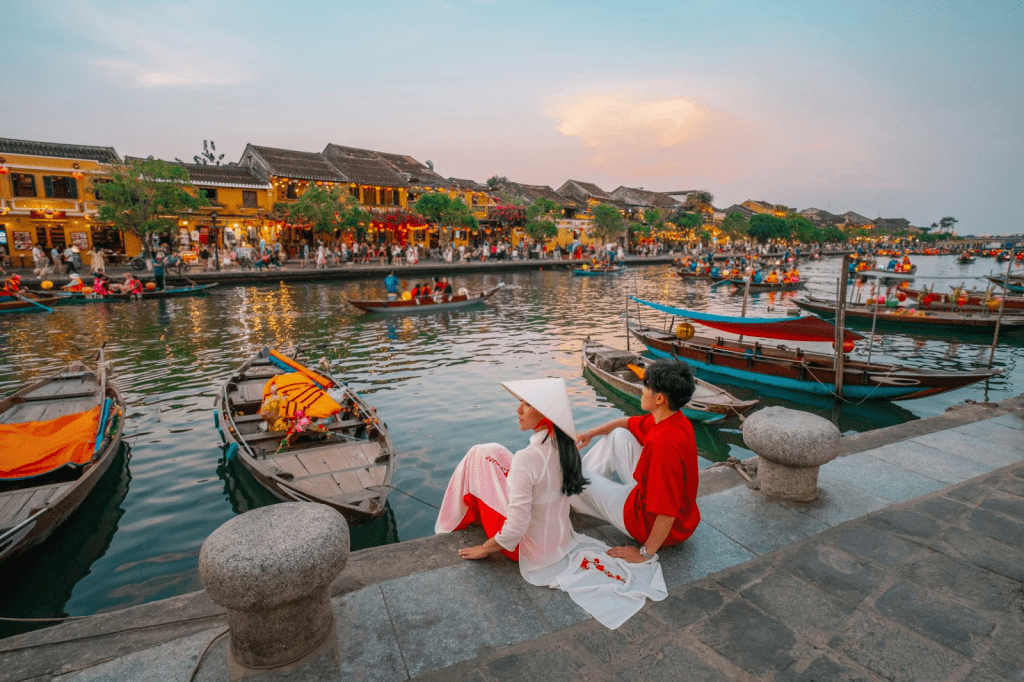
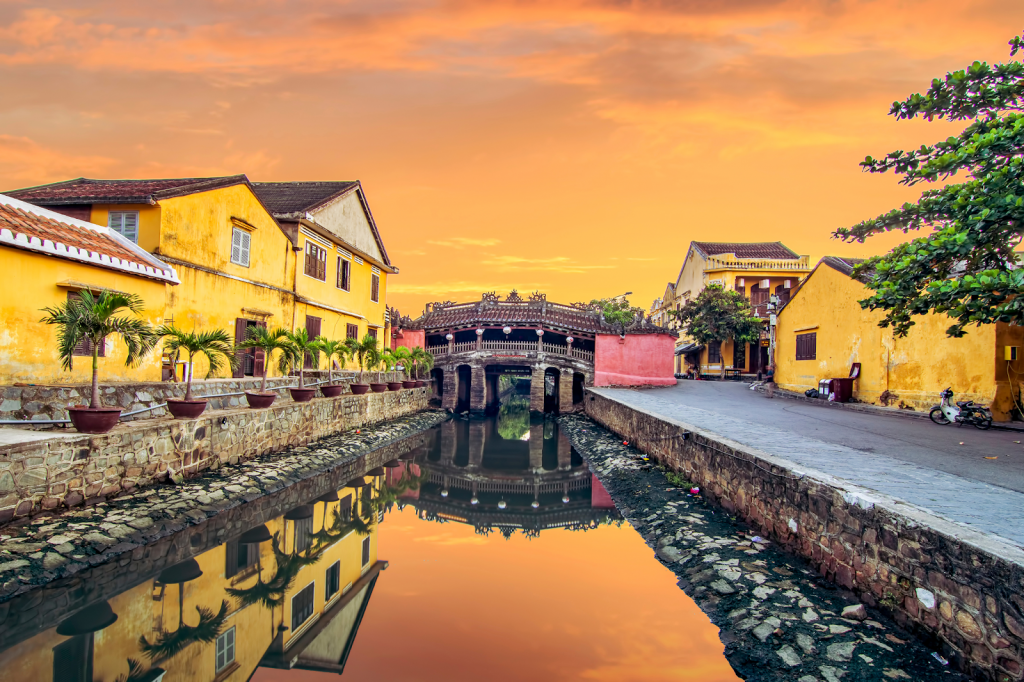
- Breaking the trip in central Vietnam (like Hoi An) helps reset the pace. It’s a place that’s best experienced slowly, especially in the early evening when the lanterns come on.
- You don’t need a packed plan here: cycling through the countryside, joining a cooking class, or just wandering is usually enough.
- By the time you reach Phu Quoc, the shift feels natural. The island invites you to do less, and that’s kind of the point.
- Choosing where to stay makes a difference: quieter areas like Ong Lang or Khem Beach tend to suit travelers who prefer a more relaxed, independent vibe.
- Days fall into an easy rhythm: swimming, exploring a bit, maybe hopping on a boat if you feel like it, or doing nothing at all.
By the end, the journey doesn’t feel like a checklist, it feels like something you’ve shaped yourself, one decision at a time.
In short, Hanoi to Phu Quoc works best when you keep it flexible. Follow your energy, stay curious, and don’t over-plan. The freedom to adjust as you go is what makes the experience truly yours.
2. Why Tailor-Made Travel Elevates the Vietnam Experience
Independent travelers increasingly seek journeys that reflect their interests, not fixed group schedules.
2.1 Freedom with Structure
A tailor-made trip balances flexibility with expert planning.
- Custom pacing: Spend longer where it matters: whether that’s street food in Hanoi or sunsets in Phu Quoc.
- Interest-led design: Focus on culture, food, nature, or relaxation without compromise.
- Seamless logistics: Flights, transfers, and accommodations arranged without friction.
Freedom doesn’t mean uncertainty. It means control, supported by expertise.
2.2 Deeper, More Authentic Experiences
Personalized travel opens doors that standard tours often miss.
- Local encounters: From home-style meals to artisan workshops.
- Hidden gems: Lesser-known routes and curated stops beyond typical itineraries.
- Meaningful storytelling: Experiences shaped around context, not just checklists.
The journey becomes immersive rather than observational.
2.3 Designed for Modern Independent Travelers (FIT)
Today’s travelers want both independence and reassurance.
- Self-guided exploration with support: Travel freely while knowing help is always accessible.
- Digital convenience: Real-time communication, flexible adjustments, and on-ground assistance.
- Personalized comfort levels: From boutique to luxury, aligned with traveler expectations.
It’s independence: refined, supported, and stress-free.
Tailor-made travel transforms Vietnam from a destination into a personal narrative—crafted around you.
3. Crafting Meaningful Moments Along the Journey
A journey from Hanoi to Phu Quoc becomes truly memorable not because of how many places you visit, but how deeply you experience each one. The route naturally lends itself to a layered exploration of Vietnam, where every stop offers a distinct rhythm and emotional texture.
3.1 Curated Experiences That Reflect You
Rather than simply connecting destinations, the journey is shaped around how you move, what you notice, and where you choose to linger.
- Timing that changes everything: early mornings are where Vietnam feels most intimate: whether it’s watching the city wake up over a quiet lake, or catching the first boats heading out before the day turns busy. Late afternoons, on the other hand, are made for slowing down: long coffees, golden light, and unplanned detours.
- Moving at your own rhythm: independent travelers often prefer fewer stops, but deeper ones: spending an extra night where it feels right, or leaving space in the day for something unplanned rather than filling every hour.
- Small, local interactions over “big” attractions: a quick chat with a café owner, a market visit guided by curiosity, or a recommendation that leads you somewhere you didn’t expect: these are often the moments that stay longer than any landmark.
- Experiences that don’t feel scheduled: the best parts of the journey rarely feel like part of an itinerary: they happen in between, in the pauses, in the freedom to say “let’s stay a bit longer here.”
This is where a tailor-made journey starts to feel less like a plan, and more like something that naturally unfolds around you.
3.2 Seamless Transitions Between Destinations
The strength of a well-crafted journey lies in how effortlessly each destination connects to the next.
- Efficient routing: Flights and transfers are arranged to minimize fatigue, allowing more time for actual experiences.
- Thoughtful timing: Activities are scheduled to align with the best time of day: sunrise in Hanoi, golden hour in Hoi An, sunset in Phu Quoc.
- Consistent experience quality: From boutique hotels in the north to beachfront resorts in the south, each stay is selected to match the overall journey tone.
When transitions feel smooth, the journey itself becomes part of the enjoyment, not just the destinations.
3.3 Space for Spontaneity
Even the most well-designed journey needs room to breathe.
- Unstructured time: Afternoons left open for café hopping, beach walks, or unexpected discoveries.
- Adaptive recommendations: Suggestions evolve based on weather, mood, and traveler preferences during the trip.
- Personal rhythm: Some days are active, others intentionally slow, creating balance across the journey.
Ultimately, the beauty of this journey lies in its fluidity: structured enough to guide, yet open enough to feel entirely your own.
4. The Mango Tiger Way
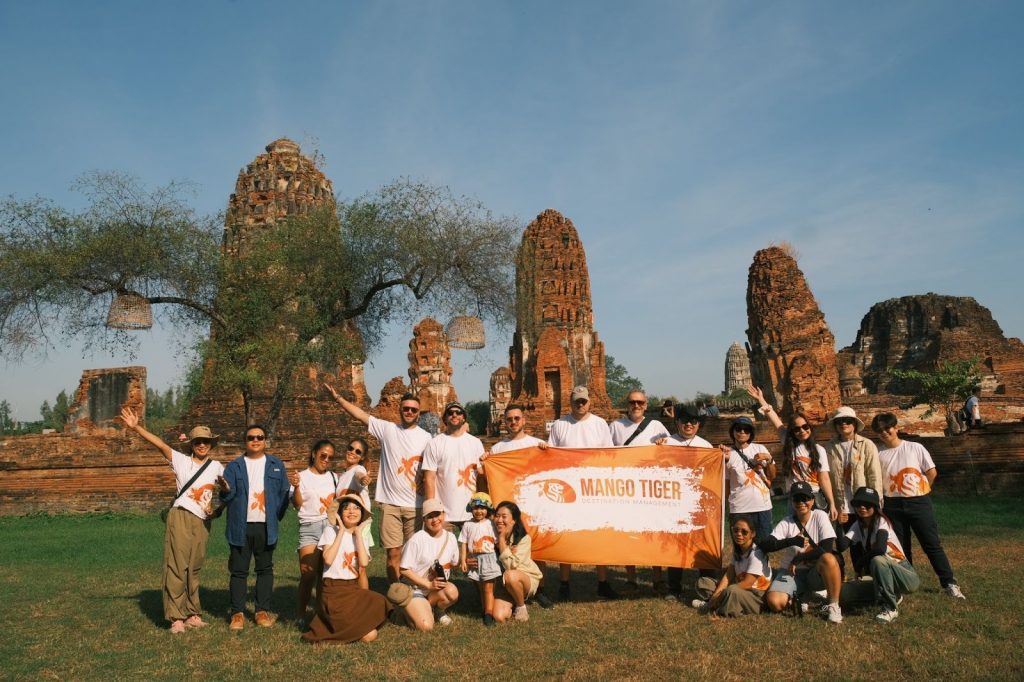
What sets a Mango Tiger journey apart in Vietnam isn’t a concept.It’s how deeply everything is rooted in real people, real places, and experiences that carry meaning beyond the surface.
4.1 People with Purpose
The experiences are not built around attractions, but around individuals who shape them.
- Craft preserved through generations: in Pu Luong, travelers meet a local host who has been weaving brocade since the age of six,nearly 70 years of mastering a single craft, now shared directly within her own home.
- Local operators growing within their own communities: in Cham Islands, Mango Tiger works with Tinh, a young local who chose to stay on the island, supporting homestays, eateries, and fishing services, while being continuously trained in operations, safety, and guiding.
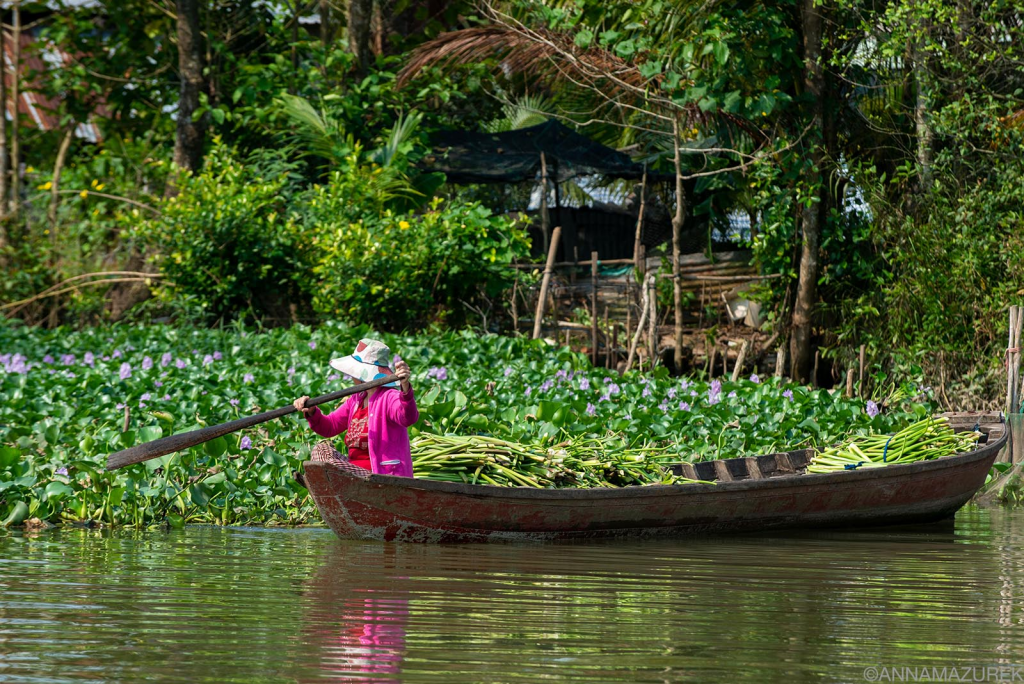
- Family-run hospitality with real personality: in the Mekong Delta, Mrs. Danh and her family run a homestay they built over 15 years, hosting up to 60–70 guests while personally leading cooking classes and daily interactions.
- Creating reasons for locals to stay: by investing in training and income opportunities, Mango Tiger helps younger generations remain in their hometowns instead of leaving for urban work.
These aren’t “guides” or “hosts” in the usual sense, they are the reason the experience feels real.
4.2 Places with Purpose
Each location is selected not just for scenery, but for how it connects travelers to everyday life in Vietnam.
- Pu Luong stilt house stays: set within rice terraces and forest landscapes, these stays allow travelers to live alongside local families: joining meals, farming activities, or even a casual football match with villagers.
- Mekong Delta island life: beyond typical river tours, travelers stay on quieter islets, cycling through narrow village paths, sharing meals, and experiencing the slower rhythm of delta living.
- Cham Islands village immersion: simple homestays and local-run services create a setting where tourism directly supports the island community while keeping its character intact.
- Access to nature with context: trekking routes through Pu Luong’s reserve aren’t just scenic: they introduce ethnic minority cultures, daily practices, and small details of life in the mountains.
You’re not placed next to local life, you’re placed inside it.
4.3 Products with Purpose
Experiences are designed to be participatory, grounded, and often quietly impactful.
- Home-based culinary experiences: a Saigon home-cooked dinner isn’t just about food, it’s about sitting inside a local home, hearing stories, and understanding how meals carry family traditions.
- Hands-on sustainability activities: in Hoi An, travelers can join ecobrick workshops: collecting plastic waste and turning it into usable building materials alongside local residents.
- Active, culture-led exploration: Pu Luong trekking experiences combine nature with interaction: bamboo rafting, traditional cooking, or learning small everyday skills from locals.
- Experiences that naturally give back: rather than separate “volunteering add-ons,” many activities are built to directly contribute to local income, skills, and long-term sustainability.
These are not activities you simply “do”, they’re experiences you take part in.
In the end, The Mango Tiger Way in Vietnam isn’t about adding more highlights. It’s about going deeper into the ones that already exist: through people, places, and moments that actually mean something.
5. Mango Tiger DMC: Your Local Partner in Vietnam
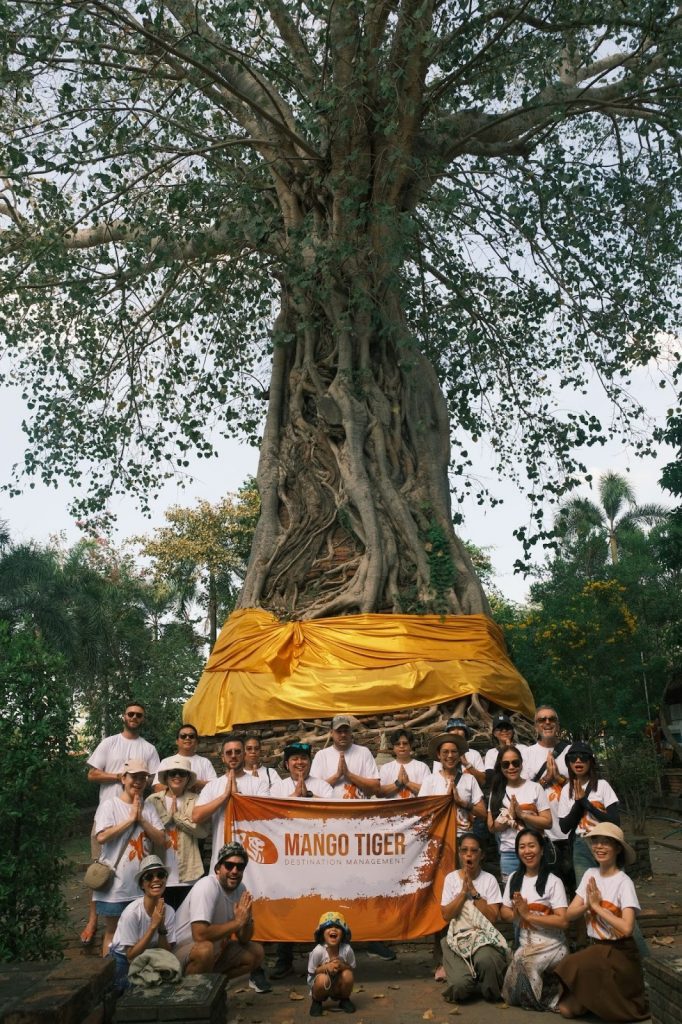
Behind every smooth journey is a system that holds it together. Mango Tiger operates not just as a planner, but as a local partner, connecting ideas with real execution on the ground.
5.1 Thoughtfully Designed, Not Mass-Produced
Every journey starts with the traveler, not a template.
- Tailor-made approach: each itinerary is built around individual interests and pace.
- Realistic planning: routes are designed based on actual travel flow and local conditions.
- Balanced experiences: combining key highlights with quieter, in-between moments.
This ensures personalization feels natural, not forced.
5.2 A Deeper Approach to Destination Experience
Travel is treated as more than a checklist.
- Experience-first mindset: focusing on how a place feels, not just what it offers.
- Cultural and culinary depth: integrating food, local life, and traditions into the journey.
- Pacing over volume: prioritizing quality of time rather than number of stops.
The journey becomes less about seeing more, and more about experiencing better.
5.3 A Network That Makes It Work
Execution is where planning proves its value.
- Reliable local partners: carefully selected guides, drivers, and hosts.
- On-ground coordination: real-time handling of logistics and adjustments.
- Continuity across regions: ensuring a smooth experience from Hanoi to Phu Quoc.
This network is what allows flexibility to work without friction.
Ultimately, Mango Tiger is the layer you don’t always see, but consistently feel throughout the journey.
Ready to travel Vietnam your way?
Let Mango Tiger help you shape a journey from Hanoi to Phu Quoc that feels flexible, grounded, and truly your own.
